



Decoding 'Raw Lettuce Assemblies'
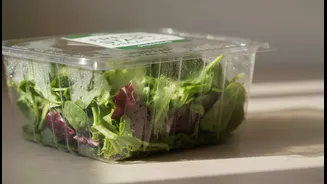
The term 'raw lettuce assemblies' might sound technical, but it refers to something many of us buy every week: any form of prepared raw lettuce. This includes the pre-washed, pre-cut leaves in plastic bags and clamshells, mixed salad kits complete with
dressings and toppings, and the fresh greens served at salad bars and restaurants. Essentially, it's any lettuce that has been processed and packaged for convenience. While these products make healthy eating easier, their journey from farm to fork involves multiple steps where contamination can occur, putting them in a higher risk category than a whole head of lettuce you prepare yourself.
Why July Is a Danger Zone
Food safety officials see a spike in foodborne illnesses every summer, and July is often a peak month. The reason is simple: bacteria thrive in heat. Temperatures between 4°C and 60°C create a 'danger zone' where pathogens like E. coli and Salmonella can multiply rapidly on food. Summer picnics, barbecues, and outdoor meals increase the chances of salads and other perishable foods sitting out in these warm temperatures for extended periods. Food left unrefrigerated for more than two hours—or just one hour if temperatures are above 32°C—can become a breeding ground for harmful germs. This seasonal pattern, combined with ongoing risks in produce supply chains, is why experts issue fresh warnings during the summer months.
The Journey from Farm to Fork
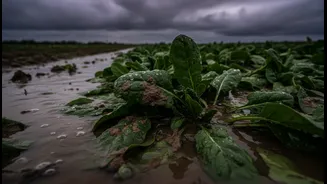
Lettuce is particularly vulnerable to contamination. Unlike other foods, it's almost always eaten raw, meaning there's no cooking process to kill off any lurking pathogens. Contamination can happen at many points. In the field, lettuce can be exposed to harmful germs from contaminated irrigation water, soil, or contact with animal waste. The complex, crinkled surface of many leafy greens provides countless microscopic hiding spots for bacteria, making them difficult to remove. In fact, some studies show that bacteria can even get inside the leaf tissue itself, where no amount of washing can reach them.
The 'Triple-Washed' Convenience Trap
The promise of 'pre-washed' or 'triple-washed' on a package offers a sense of security, but it is not an ironclad guarantee of safety. While commercial washing removes much of the dirt and some microbes, it cannot eliminate all risk. If a small amount of lettuce is contaminated when it enters a processing plant, the washing and mixing process can spread those pathogens throughout an entire batch. Furthermore, research has shown that the juices released from cut leaves inside a sealed bag can create a nutrient-rich environment that may actually help bacteria like Salmonella grow, even under refrigeration.
How to Build a Safer Salad
This doesn't mean you have to give up salads. By adopting a few smart habits, you can significantly reduce your risk. First, always wash your hands with soap and water before and after handling produce. Experts recommend washing all leafy greens under cool, running water, even if the package says 'pre-washed'. Gently rub the leaves to dislodge any dirt or germs. Avoid soaking greens in a sink, which can transfer bacteria. If possible, opt for whole heads of lettuce over pre-cut varieties; you can discard the outer leaves, which are most likely to be contaminated, and wash the inner leaves yourself. Finally, use separate cutting boards and utensils for produce and raw meat to prevent cross-contamination in your kitchen.