



The Great Transformation
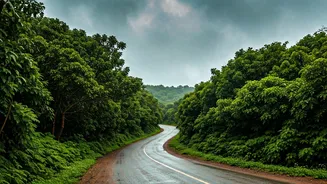
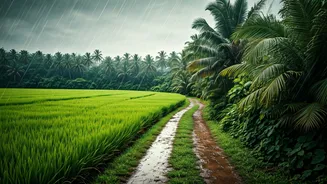
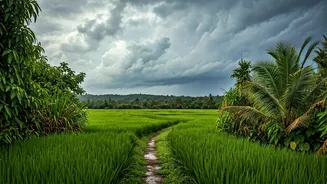
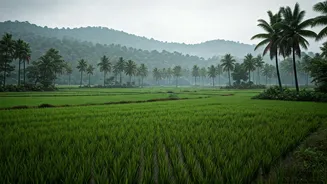
When the monsoon arrives in Goa, usually from June to September, it orchestrates a dramatic shift in the state's character. The relentless heat and humidity of May finally break, making way for cooler, breezy days and rain-washed nights. The landscape
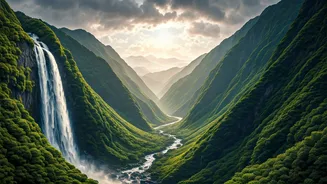
undergoes a breathtaking transformation; the dust settles, and a vibrant, almost electric green drapes itself over the hills, fields, and forests. This is not the Goa of crowded winter beaches and bustling night markets. This is a quieter, more introspective version of the coastal paradise, where nature takes centre stage, revealing a lush beauty often missed during the peak tourist season. The change is palpable, not just in the scenery but in the very rhythm of life, which slows to a more contemplative pace known locally as 'susegad'.
A Cinematic Frame
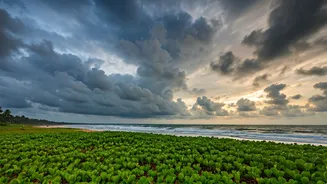
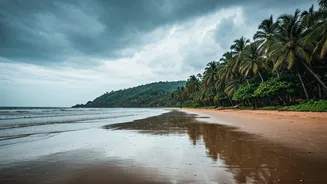
To call the Goan monsoon cinematic is no exaggeration. The imagery it evokes is potent and deeply ingrained in popular culture, thanks in no small part to Bollywood. One cannot think of Goa in the rain without picturing the iconic scene from 'Dil Chahta Hai', where three friends contemplate life atop a rain-swept Chapora Fort. The fort, now often called the 'Dil Chahta Hai Fort', becomes a pilgrimage site for film fans wanting to recreate that moment against a backdrop of dramatic, grey skies and the churning sea. But the cinematic quality goes beyond specific film references. It's in the misty hills of the Western Ghats, the empty beaches lashed by powerful waves, and the chiaroscuro of light filtering through the clouds onto ancient Portuguese-era architecture in Fontainhas. Films like 'Finding Fanny' and 'Dear Zindagi' have also captured this quieter, more soulful side of Goa, showcasing its rustic villages and serene landscapes that come alive during the rains.
A Slower, Quieter Pace
Monsoon is considered the off-season in Goa, and that is precisely its charm. With fewer tourists, the state's most popular attractions can be experienced without the usual crowds. Imagine having a fort like Aguada or Chapora almost to yourself on an early monsoon morning, with misty views over the Arabian Sea. The beaches, while not safe for swimming due to the rough seas, become perfect for long, solitary walks. This quieter period allows for a more authentic interaction with the local culture. It’s a time for exploring the Latin Quarter of Panjim, visiting the grand churches of Old Goa, or simply driving through the verdant countryside, where life unfolds at a much slower tempo. This is the Goa that locals love, a peaceful retreat rather than a bustling party hub.
Beyond the Beaches
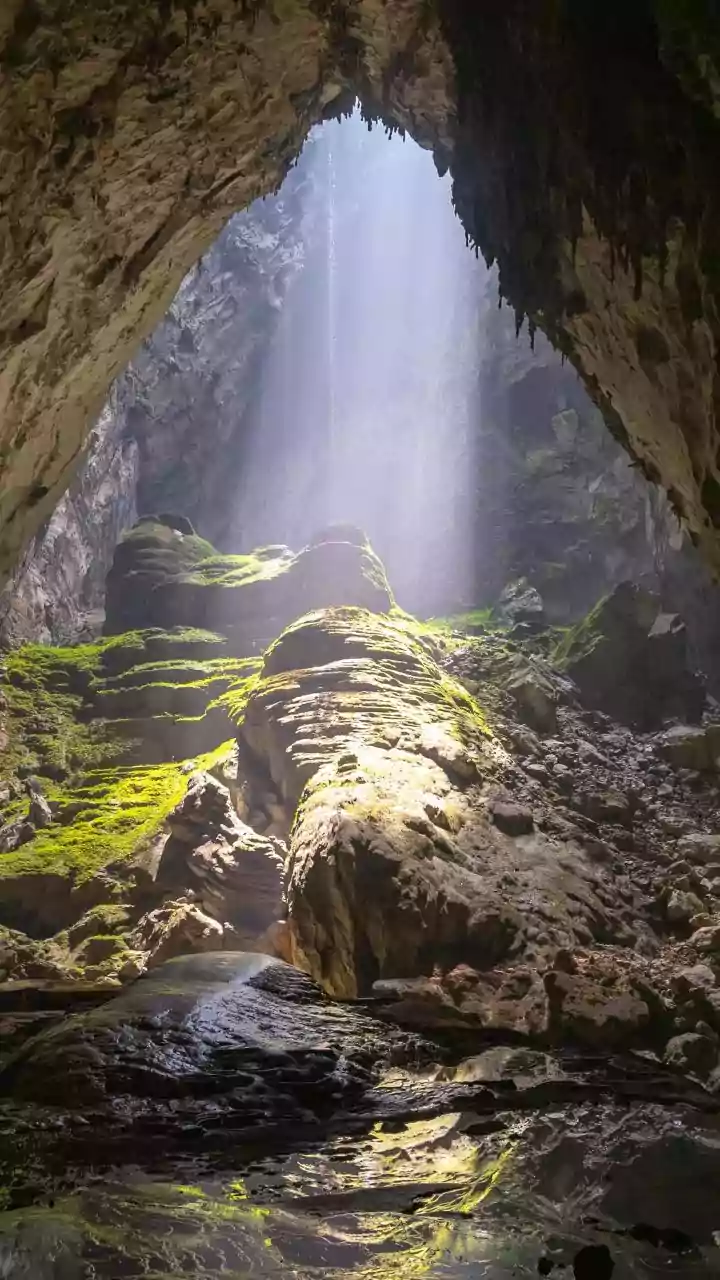
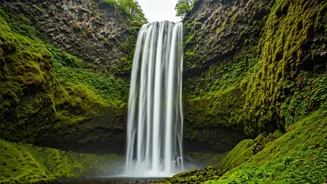
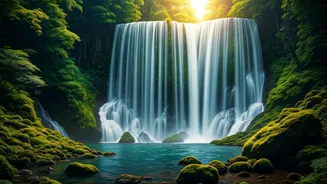
The monsoon shifts Goa’s centre of gravity from its coastline to its hinterlands. The rain feeds the region's many waterfalls, which become thunderous spectacles. The famous Dudhsagar Falls, accessible via a trek through the forest, is at its most powerful and magnificent during this time. The wildlife sanctuaries, such as Bhagwan Mahavir and Mhadei, are lush and teeming with life, making it an ideal time for trekking and bird-watching. Spice plantations are another major draw, their aromas intensifying in the damp air. For the more adventurous, activities like white-water rafting on the Mhadei River become available, offering a thrill that contrasts with the otherwise serene atmosphere.