







A Breathable, Waterproof Jacket
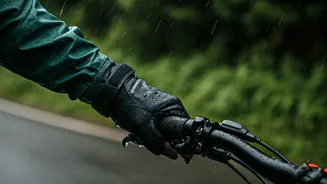
This is your primary shield against the elements, and not all jackets are created equal. Look for one that is specifically 'waterproof,' not just 'water-resistant'. A truly waterproof jacket will have taped seams to prevent water from seeping through
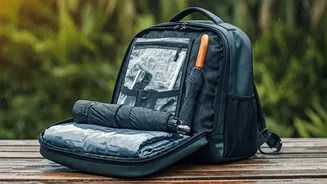
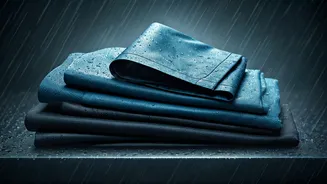
the stitching. [25] Breathability is just as important. [28] As you pedal, your body generates heat and sweat. A non-breathable jacket will trap this moisture, leaving you soaked from the inside. Look for jackets made with advanced materials like Gore-Tex or Pertex Shield, which have microscopic pores that let sweat vapour escape while blocking larger water droplets from entering. [16, 20, 22] A good fit is crucial—not too tight, but snug enough to prevent flapping in the wind. [22] Many cycling-specific jackets also feature a dropped tail for extra spray protection and reflective details for visibility. [23]
Waterproof Trousers and Shoe Covers
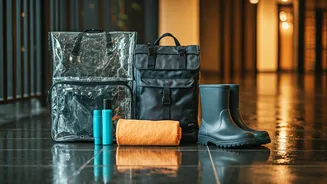
Your top half might be dry, but that's only half the battle. Waterproof trousers are essential for keeping your legs warm and dry, preventing the discomfort and chafing that comes from riding in wet clothes. [25, 27] Look for overtrousers that are easy to pull on over your regular shorts or trousers, often featuring zippers at the ankles. [28] Your feet are especially vulnerable to road spray. Waterproof shoe covers, or 'booties,' are a non-negotiable item. [29] They fit over your regular cycling shoes, creating a barrier against water. [30] Neoprene is a popular material as it provides excellent insulation even when wet. For complete protection, look for models with a high cuff to prevent water from running down your leg and into the shoe. [29, 30]
Full-Coverage Mudguards
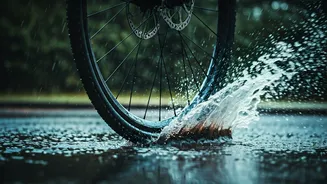
While clothing protects you, mudguards protect both you and your bike. Also known as fenders, these attachments fit over your wheels and are the single most effective way to stop water and grime from being flung up from the road. [9] A front mudguard prevents spray from hitting your feet and drivetrain, while a rear one stops a muddy stripe from forming up your back and soaking anyone riding behind you. [3] There are two main types: full, permanent mudguards that offer maximum coverage, and clip-on versions that can be easily attached or removed. [3, 12] If you plan to ride regularly in the rain, investing in a good set of full-coverage mudguards is one of the best upgrades you can make. [2, 9]
Bright, Waterproof Lights
Rain means low light and reduced visibility for everyone on the road. This makes a good set of lights an absolute essential, even during the daytime. [7, 14] Drivers will have a harder time seeing you through a rain-streaked windscreen, so you need to make yourself as visible as possible. [18] Use a powerful white light on the front and a bright red one on the rear. Setting them to a flashing mode can make you up to three times more visible than a steady beam. [14, 17] Ensure your lights are waterproof or at least highly water-resistant, and that they are mounted securely. [15] For city commuting, a front light between 500-1500 lumens is generally sufficient to see and be seen. [17]
A Cycling Cap and Clear Glasses
A simple cycling cap worn under your helmet can make a huge difference. The brim helps to shield your eyes from rain, keeping your vision clear. [24] It prevents water from trickling down your face and into your eyes, which can be distracting and dangerous. Paired with clear or yellow-tinted glasses, it's a powerful combination for maintaining visibility. [11] The glasses protect your eyes from road spray, grit, and wind, and unlike dark sunglasses, they won't make it harder to see in already dim conditions. [24, 25] Some glasses even come with anti-fog coatings to ensure they stay clear. [24]
Post-Ride Bike Maintenance
Your ride isn't over when you walk through the door. Rain and road grime create an abrasive paste that can rapidly wear out your bike's components. [6] As soon as you can, give your bike a quick rinse with a gentle stream of water—never a high-pressure jet, which can force water into sensitive bearings. [5, 13] Use a soft cloth to wipe down the frame and metal parts. [19] The most critical step is to clean and dry your chain, then re-lubricate it. Use a 'wet lube', which is designed to resist being washed away by water and will protect your drivetrain from rust and wear. [4, 8] This simple 10-minute routine will dramatically extend the life of your bike. [19]