


The Genius of Cooking in One Pot
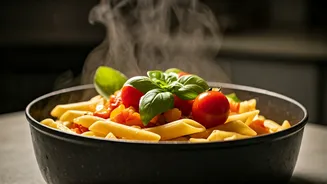
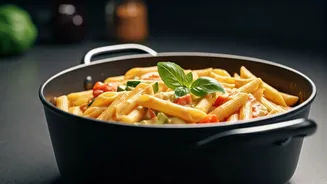
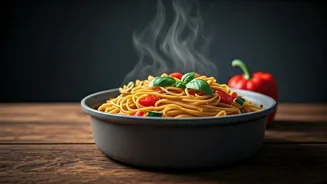
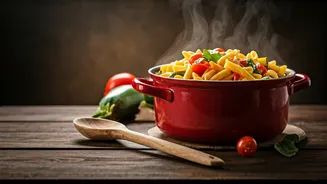
The appeal of a one-pot meal is obvious: fewer dishes to wash. But the benefits go beyond simple convenience. When you cook pasta this way, it releases its starches directly into the cooking liquid—typically a combination of vegetable broth, crushed tomatoes,
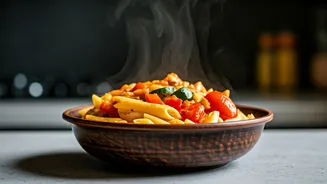
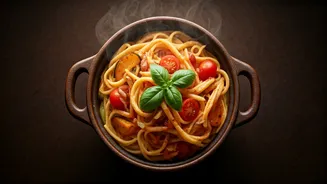
and seasonings. This starchy water is culinary gold; instead of being poured down the drain, it emulsifies with the other ingredients to create a surprisingly creamy, flavourful sauce that clings beautifully to every noodle, all without needing a separate saucepan or a roux. It's an efficient, modern technique that streamlines the cooking process from start to finish, building layers of flavour in a single vessel. You get a perfectly integrated dish where the pasta has absorbed the essence of the sauce it was cooked in.
Choosing Your Cast of Vegetables
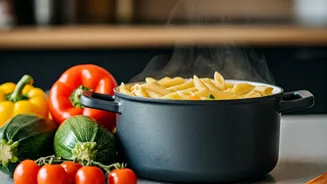
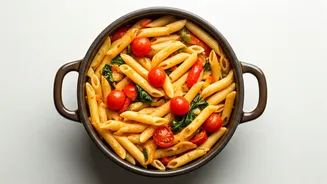
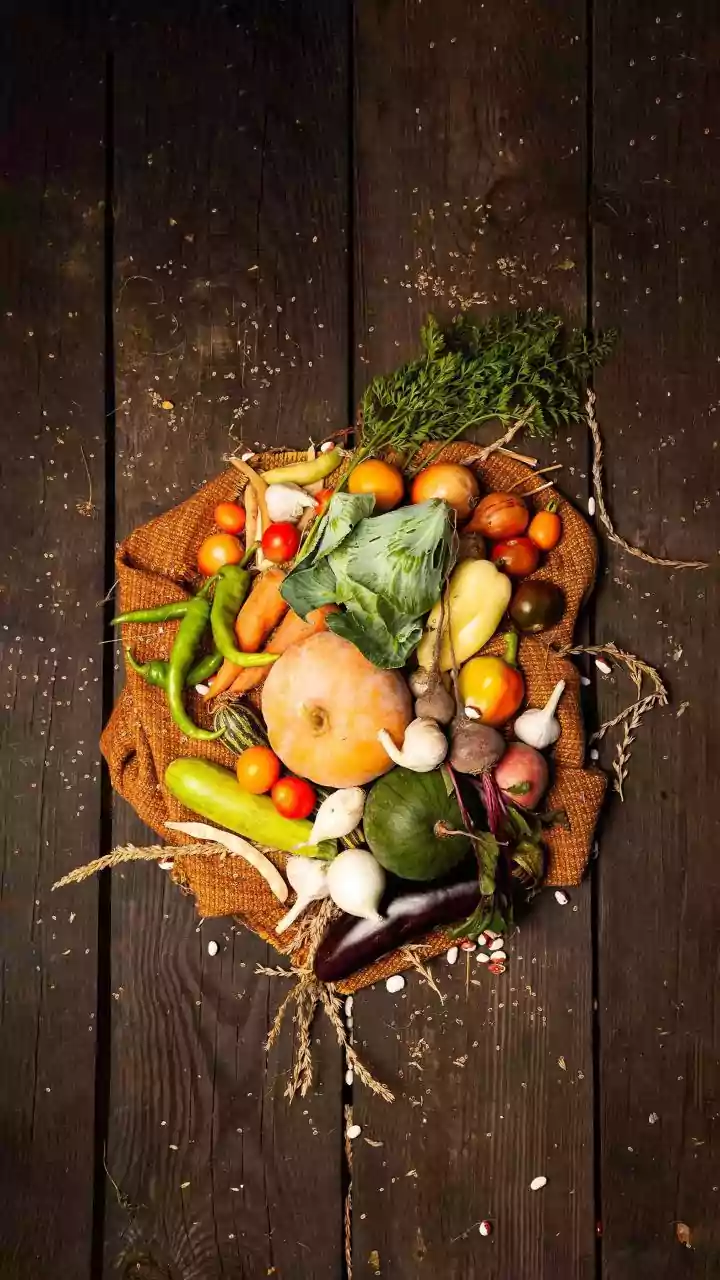
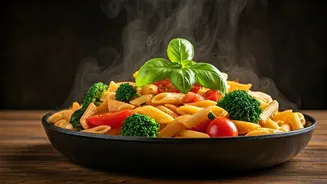
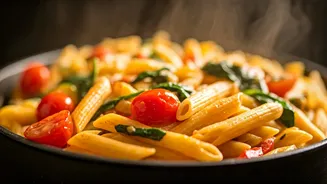
One of the best things about this dish is its flexibility. It’s an excellent way to use up whatever vegetables you have in your crisper. For best results, consider the different cooking times of your produce. Heartier vegetables like finely chopped carrots, onions, and bell peppers can go in at the beginning to soften and form a flavour base. Quicker-cooking vegetables like zucchini, mushrooms, corn, and broccoli florets can be added partway through. Delicate greens like spinach or kale should be stirred in at the very end, as they only need a minute or two to wilt in the residual heat. Cherry tomatoes, halved, are also a fantastic addition, as they break down to contribute sweetness and acidity to the sauce.
A Simple Blueprint for Success
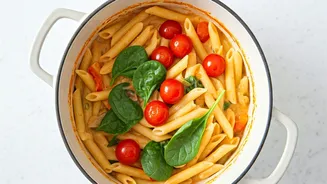
While recipes vary, the basic method is straightforward. Start by sautéing your aromatics, like garlic and onion, in olive oil in a large pot or Dutch oven. Next, add your harder vegetables. Then, add the uncooked short pasta (penne, rotini, or fusilli work well), vegetable broth, canned tomatoes, and dried herbs like oregano and basil. The key is using enough liquid to cook the pasta, but not so much that you end up with soup. A good rule of thumb is to ensure the liquid mostly covers the pasta. Bring the mixture to a simmer, then cover and cook, stirring occasionally to prevent sticking. The dish is typically ready in 10-15 minutes, once the pasta is al dente and has absorbed most of the liquid.
Customise Your Comfort
This basic framework is your canvas. To make the dish even creamier, stir in a splash of heavy cream, coconut milk, or even crème fraîche during the last few minutes of cooking. For a boost of plant-based protein, add a can of rinsed chickpeas or white beans along with the pasta. A generous handful of grated Parmesan or cheddar cheese melted in at the end adds a rich, savoury finish. Don't be afraid to play with the flavour profile. A pinch of red pepper flakes can add a welcome kick of heat, while a squeeze of fresh lemon juice or zest at the end can brighten up all the flavours. Fresh herbs, like basil or parsley, sprinkled over the top just before serving, will add a final layer of freshness.
Tips for One-Pot Perfection
A few simple tips will help you avoid common pitfalls. Use a pot that is wide and large enough to hold all the ingredients with room to spare, which helps the pasta cook evenly. Stirring is important, especially as the liquid reduces, to keep the pasta from sticking to the bottom of the pot. If you find the sauce is too watery when the pasta is cooked, simply let it simmer for another minute or two with the lid off to thicken up. Conversely, if the pasta isn't quite tender but has absorbed all the liquid, add another splash of broth or water and continue cooking. Finally, remember to use a short pasta shape; long strands like spaghetti can be tricky to cook evenly in this method unless broken in half.