



Why Car Prices Are on the Rise
The upcoming price hike isn't an isolated event; it's part of a broader trend affecting the entire automobile industry. Carmakers have consistently pointed to several key factors driving up costs. The primary reason cited is the rising price of input
materials. Commodities like steel and aluminum, which form the skeleton and body of a car, have become more expensive. Alongside this, the cost of components for advanced electronics and safety systems continues to climb. Automakers also blame sustained inflationary pressures and higher operational expenses for the need to pass on some of the burden to customers. While companies state they absorb a significant portion of these increased costs, the persistent pressure has made periodic price revisions a near certainty in today's market.
Which Companies Are Hiking Prices?
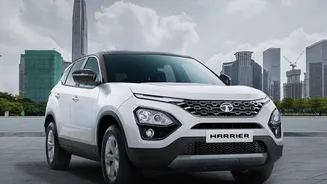
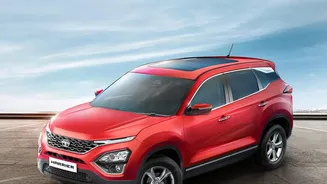
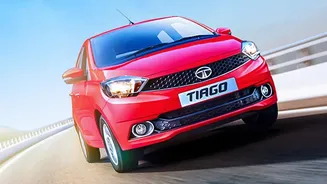
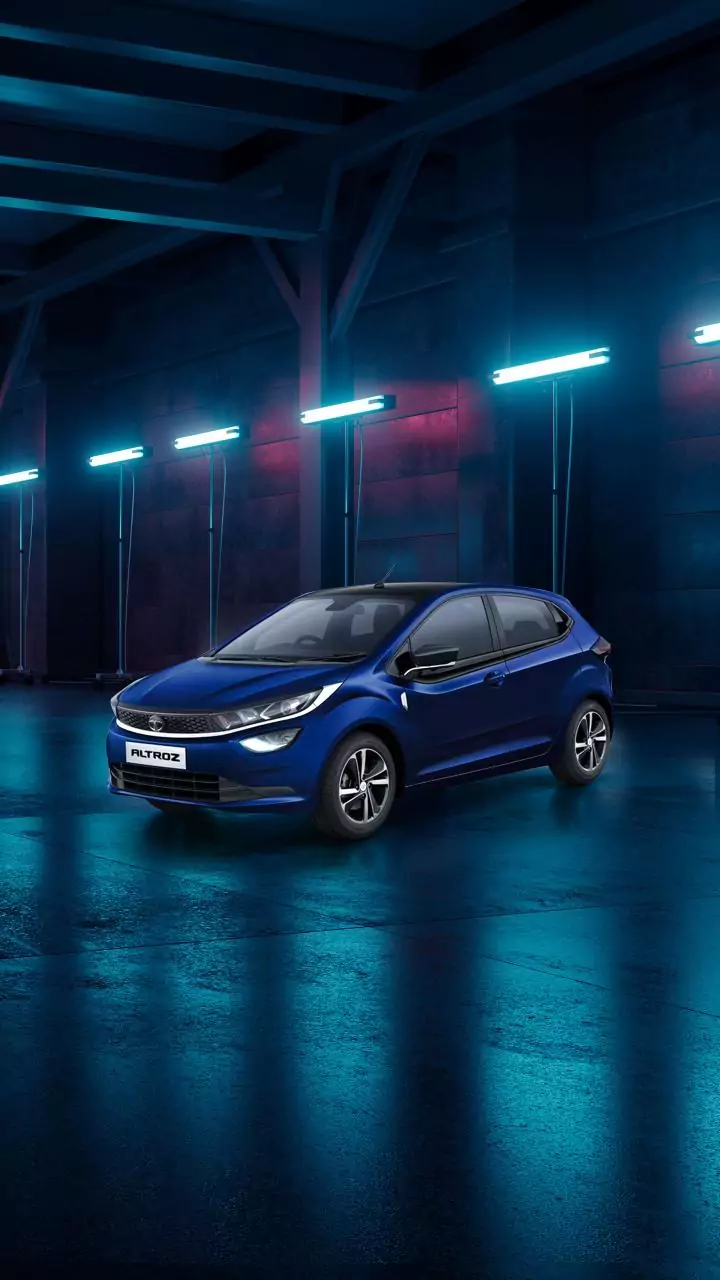
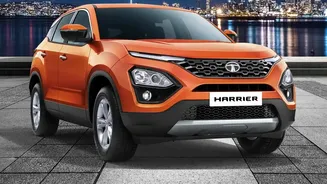
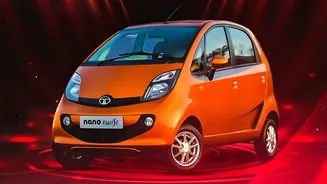
Several major players have already confirmed their intentions. Tata Motors has announced an increase of up to ₹25,000 across its entire portfolio of petrol, diesel, and electric vehicles, effective September 1. The exact amount will vary depending on the specific model and variant. This will be Tata's third price adjustment in recent months. Similarly, Hyundai Motor India has declared a price increase of up to 1% across its model range from September. This also marks Hyundai's third hike in 2026. These companies are not alone. Maruti Suzuki, the country's largest carmaker, already implemented a price increase in August, its second in just two months. This pattern suggests other manufacturers may soon follow suit as the festive season approaches.
The Case for Buying Your Car Now
The most compelling reason to purchase a car before the end of August is simple: cost savings. By locking in your purchase now, you avoid the direct impact of the September price hike. For a car costing ₹10 lakh, a 1% increase means an immediate jump of ₹10,000, while a model seeing a ₹25,000 hike will significantly inflate the on-road price. Booking a car before the price revision often allows you to secure the vehicle at its current price, even if delivery takes a bit longer, though this depends on dealer terms. Furthermore, dealers may be looking to clear existing inventory in August, which could present opportunities for negotiation or modest additional benefits before the festive season rush truly kicks in. If you have already decided on a specific model and are ready to buy, acting now offers a clear financial advantage.
The Argument for Waiting a Little Longer
However, rushing a major purchase is not always the best strategy. The period leading up to the festive season, from September to November, is traditionally when carmakers launch updated models or new variants to attract customers. Waiting might give you access to a facelifted model with new features, improved technology, or fresh styling. For example, a facelift for the Maruti Baleno is anticipated in September. Additionally, the festive season itself brings a wave of discounts and special offers. While the base price of the car might be higher, aggressive financing schemes, exchange bonuses, and free accessories offered during Diwali could potentially offset the price increase, especially if you have an old car to trade in. Waiting also gives you more time to research, test drive different vehicles, and ensure your final choice is the right one for your long-term needs, not just a reaction to a price deadline.
How to Make the Right Decision for You
Ultimately, the choice depends on your priorities. Ask yourself a few key questions. Is the car you want likely to get a significant update soon? Check for news on upcoming facelifts for your shortlisted models. How much will the price hike affect your total budget? Calculate the potential increase for your preferred variant and weigh it against potential festive offers. Are you flexible on the model? If so, waiting might reveal better deals on outgoing models or more choices with new launches. Finally, assess your financial readiness. A car is a significant expense, and it’s better to wait until you are fully comfortable with the EMI and down payment rather than stretching your finances to beat a price increase. Don't let the fear of missing out push you into a hasty decision.