





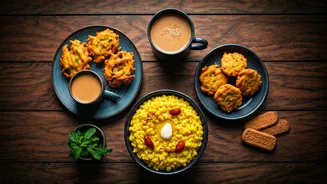


The Soul-Soothing Comfort of Curd Rice
Curd rice, known as thayir sadam in Tamil, mosaranna in Kannada, and daddojanam in Telugu, is more than just a dish; it's a culinary hug. A staple in South Indian homes, it's the go-to meal for all seasons and reasons. Whether as a cooling end to a spicy
meal, a light lunch on a hot day, or a gentle meal during recovery, its simplicity is its strength. The combination of soft-cooked rice and creamy yoghurt is profoundly satisfying, offering a balanced meal that is easy on the digestive system. Its probiotic qualities are widely celebrated, supporting gut health and immunity, which is especially important when the weather changes.
Why Viral, and Why During the Monsoon?
The resurgence of this classic dish as a 'viral' trend speaks to a collective craving for comfort and wellness. During the monsoon, the humid and damp weather can make our digestive systems a bit sluggish. While some traditional beliefs caution against cold foods like curd in this season, modern nutritionists often highlight its benefits. The probiotics in fresh curd can help maintain a healthy gut microbiome, which is crucial for overall immunity. Traditionally, tempering curd rice was a practice reserved for monsoons and winters, as the warm, spiced oil was believed to balance the cooling nature of the curd. This seasonal wisdom, combined with its comforting appeal, has made it the perfect dish for the rainy season, leading to its recent online popularity.
The Magic of a Mustard Seed Tadka
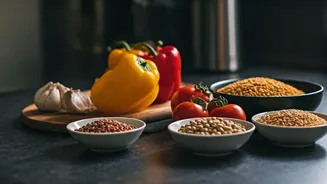
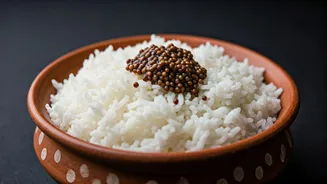
The true secret to transforming simple curd rice into an unforgettable meal lies in the tempering, or tadka. This final flourish of hot, spiced oil doesn't just add flavour; it creates an aromatic experience that elevates the entire dish. The process begins by heating oil or ghee, then adding mustard seeds and waiting for them to pop and splutter. This crackling sound is the signal that the seeds are releasing their complex, earthy, and slightly pungent flavour into the oil. Following the mustard seeds, other ingredients like urad dal (for crunch), chana dal, fragrant curry leaves, zesty ginger, and a pinch of asafoetida (hing) are often added, each contributing a layer of texture and aroma. This sizzling mixture is then poured directly over the prepared curd rice, infusing it with a warmth and depth that completes the dish.
How to Make the Perfect Monsoon Curd Rice
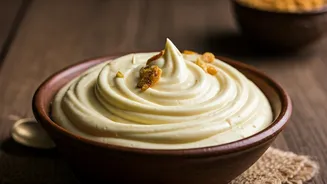
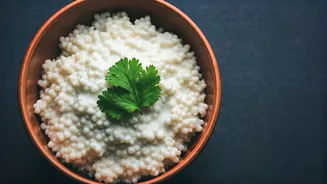
Crafting this dish is simple. First, cook short-grain rice with a little extra water until it’s soft and mushy. Mash the rice while it's still warm, which helps create a creamy texture. It's crucial to let the rice cool down completely before adding the curd; adding yoghurt to hot rice can cause it to split and destroys the beneficial probiotic cultures. Once cool, mix in fresh, whisked curd and a splash of milk for a creamier consistency. For the tempering, heat a tablespoon of oil in a small pan. Add a teaspoon of mustard seeds. When they begin to sizzle and pop, add a teaspoon of urad dal, a few curry leaves, finely chopped green chillies or whole red chillies, and a pinch of asafoetida. Fry for another 30 seconds until the dal turns golden and the leaves are crisp. Pour this hot, aromatic tadka over the curd rice and mix well. Season with salt to taste.
Customise Your Comfort Bowl
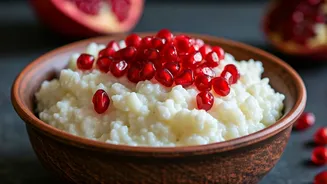
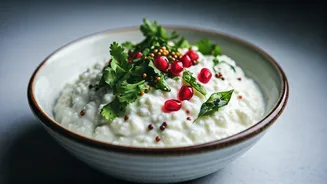
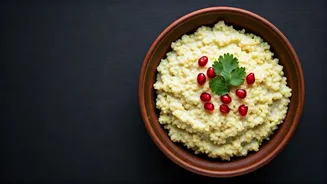
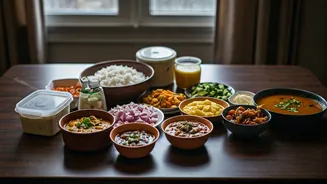
While the classic tempered curd rice is a delight on its own, it’s also incredibly versatile. For extra freshness and a bit of crunch, you can mix in finely grated carrots or cucumber. A sprinkle of pomegranate arils adds a sweet-tart burst of flavour and a beautiful pop of colour. Some variations include adding chopped cashews fried in the tadka for a rich, nutty texture. To serve, curd rice pairs wonderfully with a slice of lime pickle, mango pickle, or a crispy papad on the side. No matter how you choose to garnish it, the core comfort of the creamy rice and the warm, mustard-seed-led tempering remains.