



The Survivor: All About Snake Plants
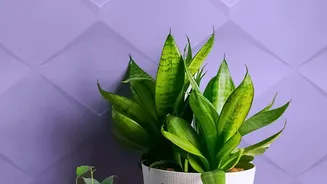
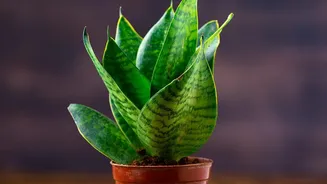
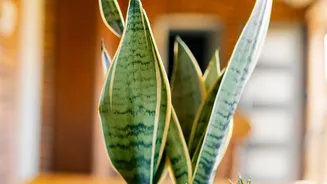
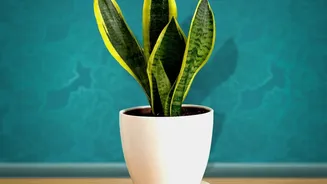
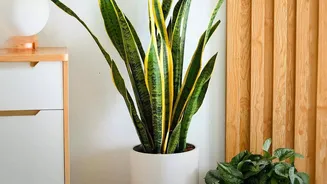
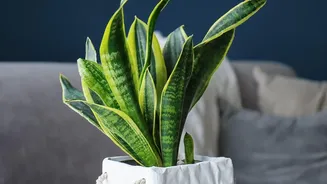
The Snake Plant, also known as Mother-in-Law's Tongue (or its scientific name, Dracaena trifasciata), is an icon of resilience. Its stiff, upright leaves give it a modern, structural look that fits well in any corner. They come in various patterns, often
with green bands and yellow or white edges. What makes the Snake Plant perfect for a student is its incredible tolerance for neglect. It thrives in low light conditions, making it suitable for rooms that don't get a ton of sun. Its biggest enemy is too much attention, specifically overwatering. As a succulent, it stores water in its leaves and prefers its soil to dry out completely between waterings. For a busy student, a plant that does better when you forget about it for a couple of weeks is a dream come true.
The Fast Friend: Getting to Know Pothos
If you want a plant that grows with you, meet the Pothos (Epipremnum aureum). Also called Devil's Ivy, this vining plant is known for its heart-shaped leaves and fast-growing nature. It’s incredibly rewarding for new plant owners because you can see its progress as its vines trail down a bookshelf or across a wall. Pothos is quite communicative; its leaves will visibly droop when it's thirsty, taking the guesswork out of watering. It’s also adaptable to different light levels, though variegated types with white or yellow splashes will show their best colour in bright, indirect light. Pothos is generally considered one of the easiest houseplants to grow, perfect for beginners who want a lush, green look without a complicated care routine.
A Breath of Fresh Air? The Truth About Air Purification
You've likely heard that these plants are great air purifiers, a claim made popular by a NASA study from the late 1980s. The study did show that plants like Snake Plants and Pothos could remove common airborne toxins like formaldehyde and benzene in a sealed chamber. However, it's important to have realistic expectations for a typical bedroom. Recent interpretations of this research suggest you would need a very large number of plants—far more than is practical for a small room—to significantly impact air quality. While they do contribute in a minor way, the primary benefits of having these plants are more about aesthetics and mental well-being. They add life, colour, and a sense of calm to your personal space, which is a powerful benefit on its own.
Snake Plant vs. Pothos: Which Is for You?
Choosing between these two comes down to your space and personal style. For very low-light corners, the Snake Plant is the undisputed winner. Its upright growth habit is great for tight spaces where you want vertical interest. If you tend to overwater things, the Snake Plant's drought-tolerant nature is more forgiving of being left bone dry. On the other hand, if you have a bit more indirect light and love the look of trailing vines, Pothos is your plant. It grows much faster, which can be more satisfying to watch, and it’s a bit more obvious when it needs water. Pothos is generally seen as slightly easier for absolute beginners because it recovers quickly from neglect. A word of caution: both plants are mildly toxic to cats and dogs if ingested, so keep them out of reach of any furry roommates.
How to Keep Your Green Friends Happy
The number one mistake with both plants is related to watering. For Snake Plants, the cardinal sin is overwatering, which quickly leads to root rot. Let the soil dry out completely. You might only need to water it every 2-4 weeks, or even less in winter. For Pothos, the mistake is often inconsistency. While it can handle drying out, it doesn't like to stay dry for too long. Wait until the top inch or two of soil is dry, then water it thoroughly. Both plants are happy in standard potting soil and don't need much fertilizer; once or twice during the spring and summer is plenty. Finally, don't be in a rush to repot them. Both prefer to be a little bit snug in their containers.