



The Post-Monsoon Advantage
October is widely considered India's golden window for stargazing for one primary reason: the air is exceptionally clean. Months of rainfall scrub dust, pollutants, and aerosols from the atmosphere, resulting in superior transparency. This post-monsoon
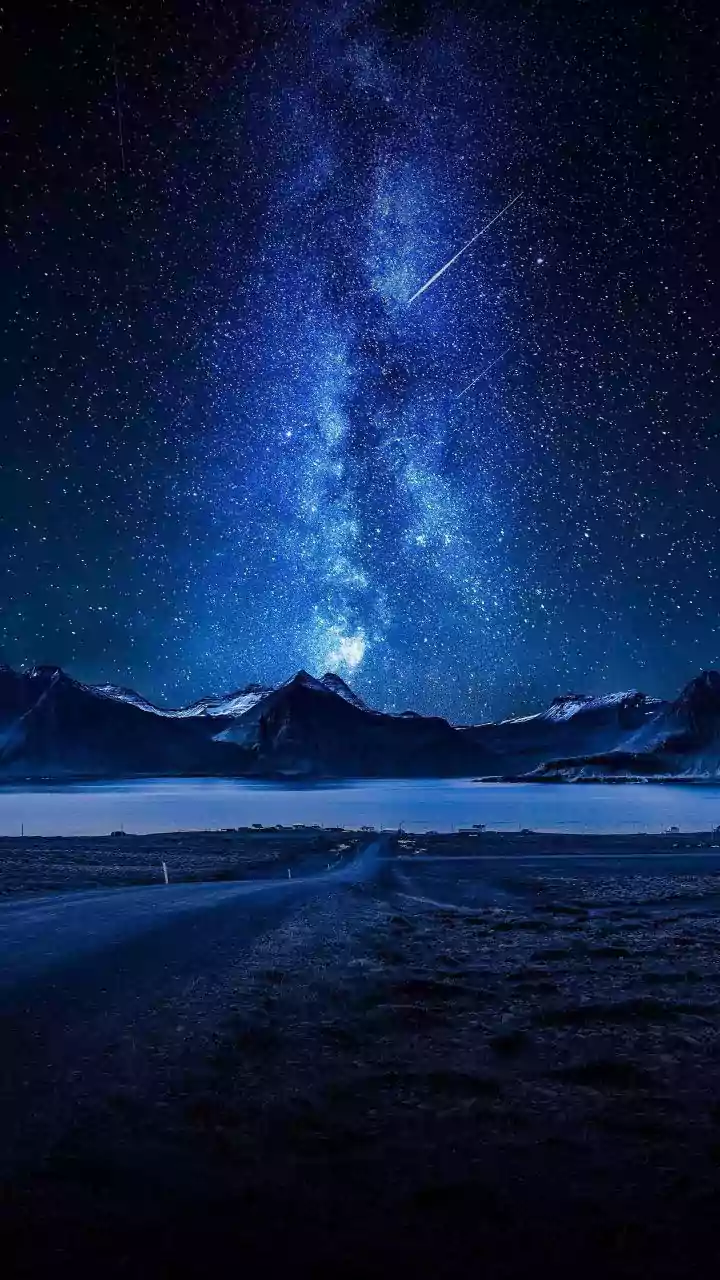
clarity means more starlight reaches your eyes, making faint objects appear brighter and the sky itself look darker. As India transitions into winter, the nights also grow longer, providing an extended period for observation. This combination of clean air and dark, long nights creates ideal conditions that astronomers across the country eagerly await after months of cloud cover. This effect is felt nationwide, from the Himalayan foothills to the Western Ghats, making October a month of celestial opportunity.
A Celestial Calendar of Events
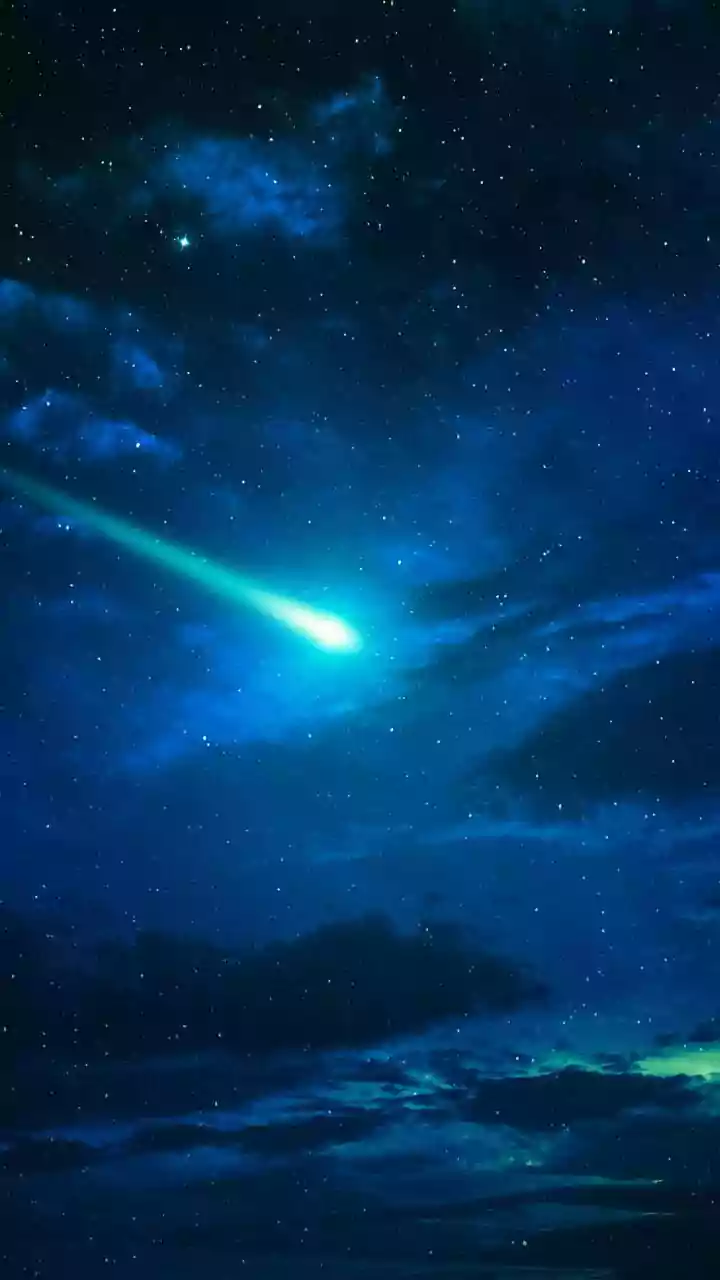
October 2026 is packed with astronomical highlights. Early in the month, Saturn is a brilliant target, having reached opposition on October 4th, when it appears at its brightest and is visible all night. This is the best time to view the ringed planet, which can be spotted with the naked eye. The month also features two notable meteor showers. The Draconids peak on October 8-9, best viewed in the early evening. Later, the famous Orionid meteor shower, created by debris from Halley's Comet, peaks in the pre-dawn hours of October 21-22. Viewers in a dark location can expect to see around 15-20 fast, bright meteors per hour. Although a bright moon will interfere early in the night, it sets a few hours before dawn, leaving the sky dark for the shower's best moments.
India’s Premier Dark-Sky Havens
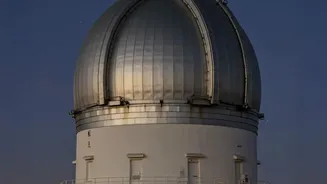
To truly appreciate the night sky, escaping city light pollution is key. India has several world-class locations for this. Hanle in Ladakh is the gold standard, home to the Indian Astronomical Observatory and the country's first official Dark Sky Reserve, offering over 250 clear nights a year. Spiti Valley in Himachal Pradesh is another high-altitude cold desert with exceptionally dark, clear skies, particularly in villages like Kaza and Kibber. For those in other parts of the country, the Rann of Kutch in Gujarat offers a unique salt desert backdrop in winter. In the south, Coorg in Karnataka provides excellent viewing opportunities from its hilly estates, especially from October through March. Even locations like Munsiyari in Uttarakhand and Jaisalmer in Rajasthan offer clear, dark skies away from urban centres.
Essential Tips for Beginner Stargazers
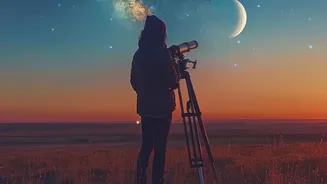
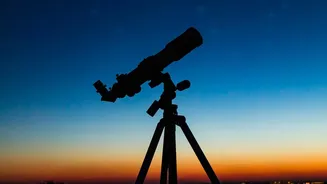
You don't need expensive equipment to start. The most important tool is a dark sky, so plan your trip around a new moon for the best conditions, as a full moon can wash out fainter stars. Once you're at your spot, allow your eyes 20 to 30 minutes to fully adapt to the darkness; avoid looking at your phone screen, as white light will ruin your night vision. If you need light, use a torch with a red filter. Binoculars are a fantastic starting point and can reveal craters on the moon, the moons of Jupiter, and brighter star clusters. Finally, download a stargazing app like Stellarium or SkyView. These apps use your phone's location to show you exactly what constellations, planets, and satellites are in the sky above you, acting as a knowledgeable guide in your pocket.