






What Are the Proposed BS-VII Norms?
The proposed Bharat Stage-VII (BS-VII) norms represent the next step in India's efforts to curb vehicular pollution, following the nationwide shift to BS-VI in April 2020. Unlike previous updates that primarily focused on tailpipe emissions, BS-VII expands
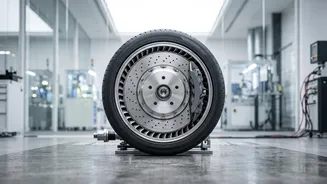
the regulatory framework significantly. The new rules will address non-exhaust emissions for the first time, including particulate matter from brake wear and tyre abrasion. For passenger cars, while many core exhaust pollutant limits remain similar to BS-VI, the key change is in how particulate matter is measured. The rules will now count ultrafine particles as small as 10 nanometres, down from the current 23-nanometre threshold, targeting smaller pollutants that can penetrate deep into the lungs. The proposal also introduces stricter real-world driving emissions (RDE) tests, mandates for onboard monitoring systems, and even sets durability standards for the batteries in electric and hybrid vehicles.
The Government’s Phased Timeline
The Ministry of Road Transport and Highways (MoRTH) has proposed a phased rollout for the BS-VII standards, aiming to align India with Europe's Euro 7 norms. According to draft notifications published in October 2026, the implementation will begin with newly manufactured passenger vehicles (like cars and SUVs) from April 1, 2029. This will be followed by light commercial vehicles in April 2030 and heavy-duty vehicles such as trucks and buses from April 2031. Further stages of the rules, including those for brake particle limits and tyre abrasion, are planned to be implemented in steps through to 2035. The government's perspective is that this staggered timeline provides adequate time for the industry to adapt. The rules will not affect existing vehicles already on the road.
Automakers' Call for a Delay
Despite the phased approach, India's auto industry has voiced significant concerns, arguing the timeline is too compressed. The Society of Indian Automobile Manufacturers (SIAM), the industry's main lobby group, has reportedly begun discussions to request a deferment. Their counter-proposal suggests a two-phase rollout starting in 2032 and 2035, arguing that even a 2032 start date doesn't provide the necessary lead time for such a major technological shift. Automakers contend that the transition from BS-VI to BS-VII requires far more significant engineering changes than might appear, especially for India's popular multi-point fuel injection petrol engines, which may need new particulate filters. This is not just a matter of tweaking existing technology but involves substantial investment in research, development, and re-tooling production lines.
The High Cost of a Hurried Transition
The industry's pushback is rooted in the immense financial and logistical challenges ahead. Automakers argue that diverting massive engineering and financial resources to meet the 2029 deadline could disrupt product launch plans for the latter half of the decade. There are also fears that these efforts could slow down the development of electric vehicles (EVs), as resources would be split between upgrading internal combustion engines and advancing EV technology. The previous leapfrog from BS-IV to BS-VI in 2020 was a costly and complex exercise for the industry, and manufacturers are wary of another rushed transition. A hurried implementation, they warn, could drive up vehicle prices, potentially impacting demand in a market known for being price-sensitive.
Beyond the Tailpipe: A Complex Challenge
The complexity of BS-VII goes far beyond engine modifications. The inclusion of on-board monitoring systems, which must be able to detect and flag emissions exceedances, requires new software and hardware integration. Furthermore, regulating brake and tyre wear introduces a completely new dimension of compliance that even affects pure electric vehicles. Automakers will need to source or develop new technologies, establish robust testing protocols for real-world conditions, and ensure the entire supply chain is ready. The industry's position is that achieving this level of technological readiness across so many new fronts by 2029 is a monumental task that requires a more pragmatic and extended timeline.