


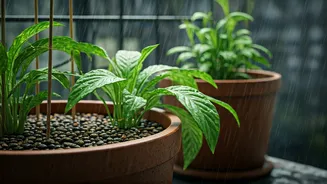


Drainage is Your Top Priority
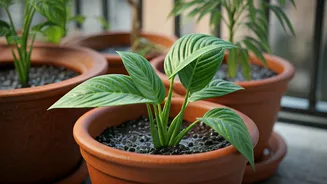
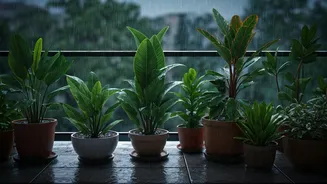
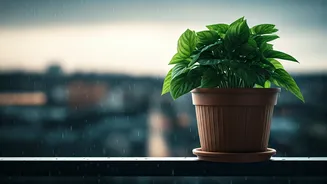
The single biggest threat to potted plants during the monsoon is waterlogging. When roots sit in stagnant water, they can't access oxygen, leading to root rot, one of the most common and fatal issues. Before the heavy showers set in, ensure every pot has
unobstructed drainage holes. You can improve drainage by placing a layer of gravel or broken pottery at the bottom before adding soil. A simple but highly effective trick is to elevate your pots using bricks, small stands, or 'pot feet'. This small gap allows excess water to escape freely and improves air circulation around the base of the pot, preventing the soil from becoming a soggy mess.
Prune for Health and Airflow
Plants tend to have a growth spurt during the monsoon, but this dense foliage can become a problem. Overcrowded leaves and branches trap moisture and reduce air circulation, creating the perfect breeding ground for fungal diseases like powdery mildew. Regular pruning is essential. Trim away any yellowing, dead, or diseased leaves and branches to maintain good airflow. Thinning out some of the inner branches allows sunlight and air to penetrate deeper into the plant. This not only keeps diseases at bay but also encourages healthier, more robust growth.
Rethink Your Watering Schedule
It may seem counterintuitive, but don't assume the rain has taken care of your watering duties. Heavy foliage can act like an umbrella, preventing rainwater from ever reaching the soil of a potted plant. Conversely, just because it's raining doesn't mean your plants need more water if the soil is already saturated. The golden rule is to always check the soil before watering. Poke your finger about an inch or two into the soil; if it feels dry at that depth, it's time to water. If it's damp, hold off. Overwatering is a frequent mistake during this season and can be more harmful than underwatering.
Provide Shelter and Support
Monsoon winds and torrential downpours can be brutal, physically damaging your plants. Delicate plants, or those with large leaves, are particularly vulnerable. If possible, move them to a more sheltered part of your balcony, such as against a wall or under an overhang, during intense spells. For taller or climbing plants, providing support is crucial to prevent stems from snapping. Use stakes, trellises, or soft ties to secure them gently. Some gardeners even use temporary shields like transparent plastic sheets during exceptionally heavy rain, ensuring plants get light without the impact.
Watch for Pests and Diseases
The warm, wet, and humid monsoon weather is ideal for pests and fungal diseases. Keep a close eye out for common issues like aphids, mealybugs, and fungal spots on leaves. Early detection is key. Good air circulation from pruning is your first line of defense. For treatment, a simple spray of neem oil solution every week or two can act as a natural and effective preventive measure against many common pests and fungi. Also, make sure to remove any fallen leaves or debris from the pots and balcony floor, as this organic matter can harbor pests and diseases.
Fertilize with Caution
Heavy and continuous rain can wash nutrients out of the soil in pots, leaving your plants hungry. However, fertilizing during the monsoon requires careful timing. Avoid applying liquid fertilizers just before a heavy downpour, as they will likely be washed away before the plant can absorb them. A better approach is to use slow-release organic fertilizers, like compost or vermicompost. A light top dressing every few weeks will provide a steady supply of nutrients without the risk of being immediately leached from the soil. Always apply fertilizer to moist soil, never when it is waterlogged or completely dry.