







The Search for a Smarter Sip
In recent years, a collective shift towards mindful consumption has reshaped our plates and is now transforming our glasses. Consumers are increasingly wary of hidden sugars and artificial ingredients lurking in popular cafe drinks, from whipped coffee
creations to heavily syruped lattes. This growing health consciousness is creating a space for beverages that do more than just caffeinate; they need to nourish and refresh without the inevitable sugar crash. It's a movement that blends a desire for authenticity with functional benefits, pushing many to look past fleeting trends and towards ingredients with a rich history and proven goodness. This is where a new wave of traditional Indian 'superfruits' is making a splash.
Meet the Desi Power Duo: Jamun and Kokum
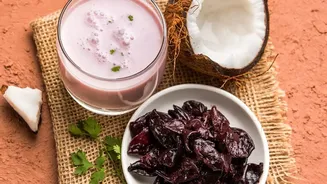
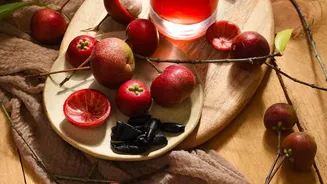
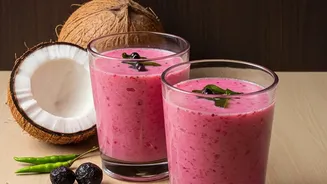
At the forefront of this trend are two familiar fruits: jamun and kokum. Jamun, also known as java plum or Indian blackberry, is a deep purple fruit celebrated for its unique sweet, sour, and slightly astringent taste. Its vibrant color is a tell-tale sign of its high concentration of antioxidants called anthocyanins. Traditionally valued in Ayurvedic practices, jamun is also a source of Vitamin C and iron. Kokum, a small, red fruit from the Garcinia indica plant, is primarily found along India's western coast. It has a pleasant tangy flavour and has been a go-to remedy for beating the heat for generations. Kokum is rich in antioxidants and is traditionally used to aid digestion, soothe acidity, and reduce inflammation. Both fruits are being reimagined from their roles in pickles and curries into the stars of sophisticated, modern drinks.
The Gentle Art of Cold-Steeping
The secret to unlocking the best of jamun and kokum without a mountain of sugar is cold-steeping. Unlike hot brewing, which uses heat to rapidly extract flavour, this method involves steeping the dried fruits in cold water for several hours. This slow, patient infusion gently coaxes out the delicate flavours and nutrients while leaving behind the bitter tannins and some of the acidity that hot water can release. The result is a remarkably smooth, naturally sweeter beverage that showcases the true essence of the fruit. This process not only minimizes the need for added sweeteners but may also help preserve some of the heat-sensitive vitamins and antioxidants, delivering a more wholesome drink. It’s a technique that perfectly aligns with the 'clean label' movement, offering pure flavour without compromise.
More Than Just a Pretty Drink
The appeal of cold-steeped jamun and kokum goes far beyond their refreshing taste. These drinks are functional beverages packed with potential health benefits. Kokum has long been praised for its digestive properties, helping to ease issues like bloating and acidity, making it a wonderful post-meal drink. Its natural cooling effect also helps in preventing dehydration. Jamun is particularly noted in traditional medicine for its potential role in managing blood sugar levels, as compounds in the fruit may help slow the release of sugar into the bloodstream. Being a good source of potassium and antioxidants, it also supports heart health and immunity. For those seeking an alternative to high-calorie, sugary coffee drinks, these low-calorie, high-fibre fruit infusions offer a guilt-free way to hydrate and energize.
A Taste of Tradition, Reimagined
The rise of jamun and kokum drinks isn't just a health trend; it's a cultural homecoming. It reflects a broader movement of rediscovering and celebrating indigenous ingredients and ancestral wisdom. For years, local ingredients took a backseat to international trends, but now, a new generation is finding value and pride in the flavours of their own heritage. Bartenders and cafes are increasingly crafting menus that feature local spices, fruits, and herbs, from kokum-infused cocktails to jamun coolers. This shift shows that a beverage can be both modern and deeply rooted in tradition. It's about finding new, exciting ways to enjoy the timeless flavours that have been part of Indian culinary identity for centuries.