





India’s Original Probiotic Drink
For generations, long before kombucha became a buzzword, households in Punjab, Uttar Pradesh, and Rajasthan had their own prized probiotic powerhouse: Kanji. Traditionally made by fermenting black carrots (kali gajar) with water, salt, and coarsely ground
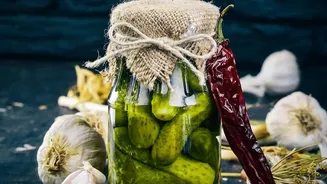
mustard seeds, this drink is a testament to India's deep-rooted knowledge of fermentation. The process is simple yet profound. Sliced carrots and spices are left to ferment in large glass or ceramic jars, often placed in the winter sun for several days. This natural process cultivates beneficial bacteria, particularly Lactobacillus, turning a simple vegetable concoction into a beverage teeming with gut-friendly probiotics. Its flavour is an acquired taste—sharp, sour, and with a distinct pungency from the mustard, it is unlike any modern soft drink.
A Seasonal Ritual and Digestive Tonic
Historically, Kanji is a seasonal delight, intrinsically linked to the availability of black carrots in winter. It often makes an appearance during the transition from winter to spring, especially around the festival of Holi. Beyond being a refreshing beverage, it was traditionally valued as a digestive aid, consumed to support the gut and boost immunity during the colder months. The drink is rich in antioxidants, particularly anthocyanins from the black carrots, which give it its characteristic deep purple hue. Families would prepare large batches, and a small glass a day was considered a wellness ritual—a way to keep the digestive system robust and the body warm.
The Modern Wellness Wave
The transition of Kanji from a homemade remedy to a commercial product is fuelled by the global wellness trend and a growing consumer interest in gut health. As people become more health-conscious, there's a significant shift away from sugary sodas towards functional beverages that offer tangible benefits. Fermented drinks are at the forefront of this movement. Kanji, with its natural probiotic content, low-calorie profile, and detoxifying properties, fits perfectly into this modern narrative. It represents a form of 'cultural rediscovery,' where young, health-conscious Indians are looking back at traditional food wisdom and adapting it to contemporary lifestyles.
New Flavours for a New Generation
As Kanji enters the commercial space, it's getting a modern makeover. While the soul of the drink remains fermentation, brands and cafes are innovating with new flavours and ingredients, making it accessible year-round. Since black carrots are seasonal, many new versions use beetroot, which provides a similar vibrant colour and earthy sweetness. Some brands are going a step further, offering creative variants. For instance, Chef Harpal Singh Sokhi's restaurant brand, Karigari, introduced a line of bottled Kanji in flavours like Amla, Haldi (turmeric), and Beetroot, each highlighting a specific wellness benefit. These innovations not only expand the flavour profile but also position Kanji as a versatile health shot, similar to cold-pressed juices.
From Earthen Pots to Glass Bottles
The move to commercialisation has also solved a key challenge: accessibility. Making Kanji at home requires time and patience, but now it's becoming available on-demand. Brands like Dhampur Green and Pratha are bottling Kanji and selling it online, bringing the traditional drink to a wider audience. By packaging it in convenient, ready-to-drink formats, these companies are making it easy for consumers to incorporate this healthy beverage into their daily routines. This shift from large household jars to single-serving bottles marks a significant step in Kanji's journey, transforming it from a regional, seasonal drink into a product with pan-Indian potential.