







The Digital Economy's Engine Room
They are the invisible backbone of our modern world. 'Hyperscale' data centres are enormous facilities, often occupying the space of several football fields, packed with tens of thousands of computer servers that store, process, and move data around the clock.
Run by tech giants like Amazon, Google, and Microsoft, these centres are what make cloud computing, global e-commerce, and the current artificial intelligence boom possible. A study published this week in 'Nature Sustainability' by Harvard University researchers has put a number on their environmental footprint for the first time at this scale, and the findings are startling.
A 'Striking' Snapshot of Energy Use
The Harvard study analyzed 403 of the largest data centres in the US between May 2024 and April 2025. It found that together, they consumed between 68 and 99 terawatt-hours of electricity. At the upper end, that's roughly the same amount of power used annually by entire states like Michigan, Indiana, or Tennessee. This electricity use accounted for 1.8% of all US electricity consumption and resulted in an estimated 25.7 million metric tons of carbon dioxide emissions, a figure comparable to the entire annual carbon footprint of Denmark. Even more concerning, the lead author noted that since the data collection ended in April 2025, which he called 'ancient history' in AI time, the true figures for late 2026 are likely 'substantially larger'.
The AI Power-Up Problem
The primary driver of this explosive growth is the insatiable energy demand of artificial intelligence. Training and running advanced AI models requires thousands of high-performance chips to run continuously for weeks or months. According to the International Energy Agency (IEA), servers used for AI workloads are projected to see their electricity consumption grow by 30% annually. A single query on a generative AI platform can require nearly ten times the electricity of a conventional Google search. This surging demand is straining local power grids and has made data centre energy consumption one of the fastest-growing sources of global electricity use.
The Hidden Cost of Water
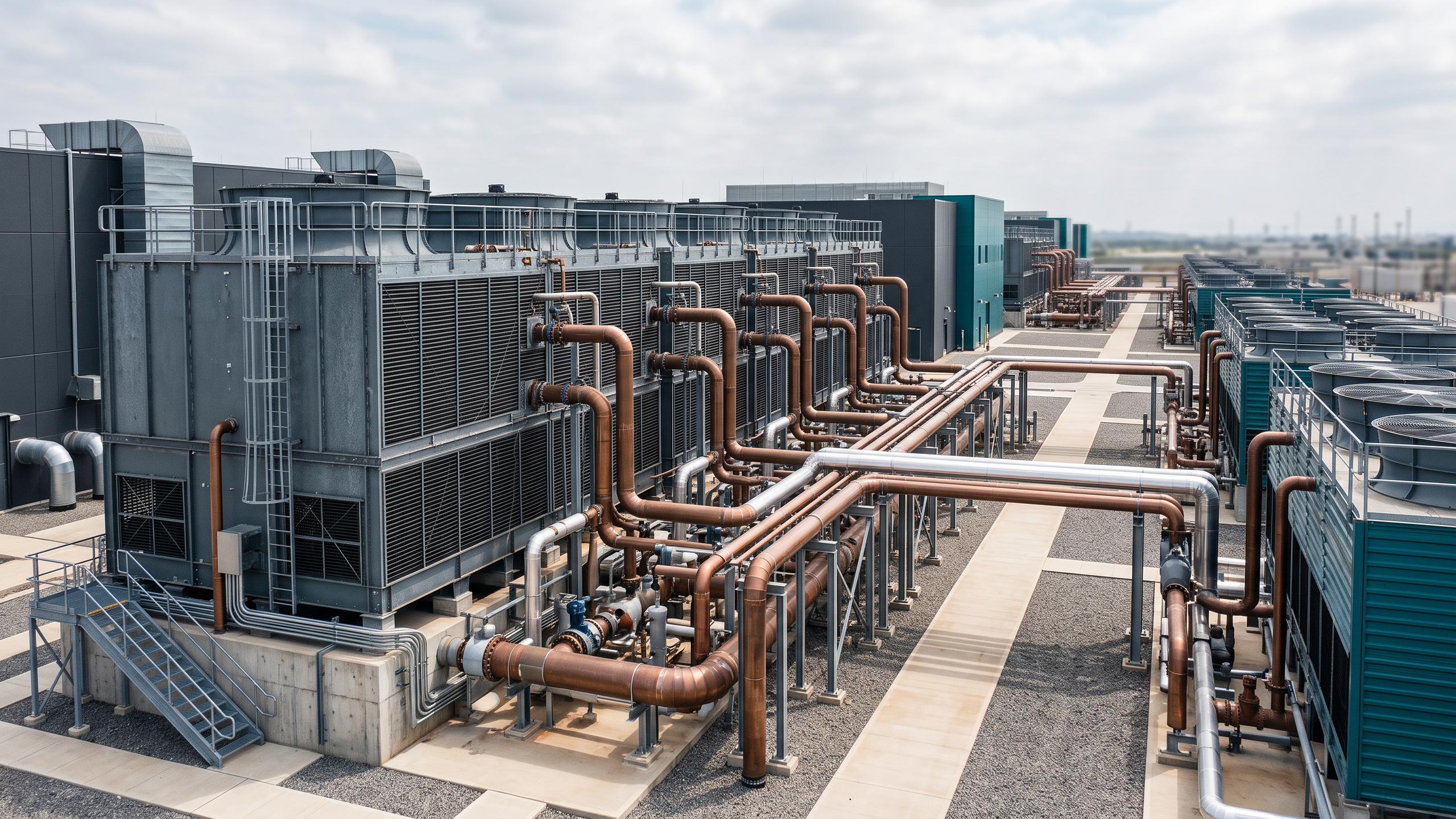
Beyond electricity, these facilities have a voracious appetite for water. The thousands of servers generate immense heat and require constant cooling to operate efficiently. Many data centres use evaporative cooling systems, which can consume millions of gallons of water per day—a large hyperscale facility can use as much as five million gallons daily, equivalent to the water use of up to 50,000 people. This places significant stress on local water supplies, particularly in drought-prone regions where many data centres are being built. A significant portion of the water footprint is also indirect, consumed by the power plants—often fossil-fuel-fired—that generate the electricity for the centres.
A Push for Greener Clouds
In response to growing pressure, major tech companies have made ambitious pledges to power their operations with 100% renewable energy. Companies are investing heavily in wind and solar power and exploring next-generation technologies like advanced geothermal and small modular nuclear reactors. However, the Harvard study found that between 2024 and 2025, over half of the electricity powering the studied data centres still came from fossil fuels, primarily natural gas and coal. The challenge lies in matching the 24/7 power demand of a data centre with the intermittent nature of renewables. This has led to a rush for new power sources, including a concerning rise in natural gas plants being built specifically to support data centres, potentially undermining climate goals.