





The Great Renewal
The common assumption is that wildlife spotting is a washout during the monsoon. Heavy rains can make trails slushy and many national parks do close their core zones. However, this is only half the story. The rains trigger a profound transformation. Parched
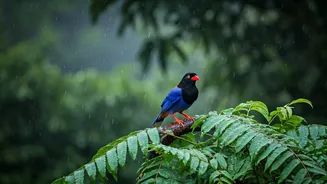
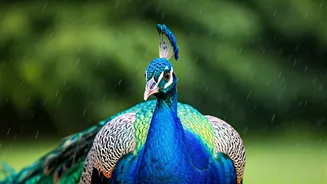
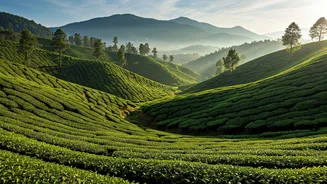
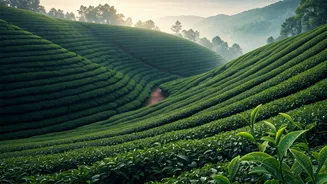
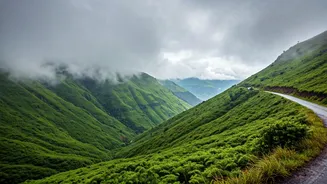
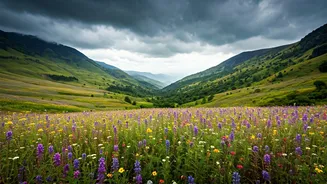
landscapes turn into lush, emerald paradises, waterholes are replenished, and a fresh carpet of vegetation provides abundant food. This explosion of life awakens the entire ecosystem. For many species, this is the season of courtship, breeding, and abundance, offering a glimpse into behaviours rarely seen during the dry, hot months. The air hums with the calls of frogs and the songs of birds, creating an atmosphere that is both dramatic and deeply immersive.
A Different Kind of Safari
A monsoon safari is less about ticking off a list of big mammals and more about the quality and intimacy of the experience. The forests are quieter, with far fewer tourists, allowing for a more personal connection with nature. The overcast skies provide soft, diffused light, perfect for photography, while the rain-washed foliage makes colours pop with startling vibrancy. This is the prime time for herpetofauna; reptiles and amphibians are at their most active. Snakes, including the stunning Malabar pit viper, emerge from their flooded burrows, while countless species of frogs—from the large Indian Bullfrog to the tiny bush frog—fill the air with a chorus of mating calls. It’s a sensory overload in the best possible way.
Where to Go: The Lush Western Ghats
A UNESCO World Heritage site, the Western Ghats are arguably the epicentre of monsoon wildlife activity. Periyar Tiger Reserve in Kerala, for instance, remains open year-round and offers a unique experience. The main attraction here is the boat safari on Periyar Lake, where you can watch herds of elephants bathing and playing at the water's edge against a backdrop of misty hills. Further north in Karnataka, the Kabini region of Nagarhole National Park is another fantastic monsoon destination. The waterways and dense forests are renowned for sightings of elephants, gaur, and even leopards. This region is also a hotspot for smaller wonders, like the Malabar gliding frog and an incredible diversity of insects and butterflies.
Where to Go: The Transformed Heartland
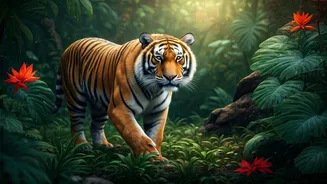
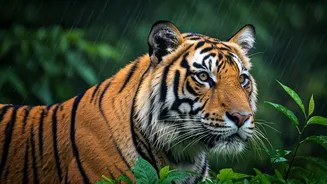
It may seem counterintuitive, but the dry state of Rajasthan offers one of the most spectacular monsoon wildlife transformations. Keoladeo National Park in Bharatpur, a world-famous bird sanctuary, evolves from a dry expanse into a thriving wetland. The rains signal the start of the breeding season for hundreds of resident bird species. The park becomes a noisy, bustling heronry, with Painted Storks, Openbill Storks, egrets, and herons building nests and raising their young. It's a phenomenal spectacle for birdwatchers. Meanwhile, in Ranthambore National Park, while the core zones are closed, buffer zones 6 to 10 remain open, offering tiger sightings with fewer jeeps and a stunningly green landscape as a bonus.
Embrace the Smaller Wonders
The real magic of the monsoon often lies in the details. It’s the season to appreciate the smaller, often-overlooked creatures. Look for the intricate, flask-shaped nests of Baya Weaver birds, a species highly active during the rains. Listen for the Pied Cuckoo, a bird celebrated in folklore as the harbinger of the monsoon, arriving from Africa on the monsoon winds. At night, you might witness the silent, magical spectacle of fireflies illuminating the forest. The monsoon is a time when the entire forest is teeming with life, from the smallest insects and snails to the largest mammals. It's a chance to see a more complete, interconnected ecosystem in action.
Tips for Your Monsoon Adventure
To make the most of a monsoon wildlife trip, a little preparation goes a long way. Waterproofing is essential, so pack good rain gear for yourself and your camera equipment. Sturdy, waterproof footwear is a must, and in leech-prone areas like the Western Ghats, leech socks are a wise investment. Since many parks have only specific zones open, it's crucial to book your safaris and accommodation in advance. Hiring a knowledgeable local guide is invaluable; they know the terrain and can spot creatures you would otherwise miss. Most importantly, be patient. Wildlife watching in the rain is about soaking in the atmosphere and celebrating the sightings you get, big or small.