



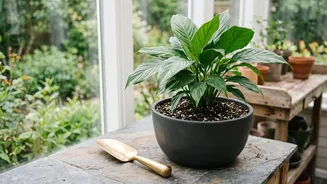
Decoding the Light in Your Home
Before you can adapt to changing light, you need to understand what you have. Indoor light is generally broken into four categories. 'Bright, direct light' is at least four to five hours of direct sun, typically found in south-facing or unobstructed west-facing
windows. 'Bright, indirect light' is diffused sunshine, like that from an east-facing window or a few feet away from a southern window. 'Medium light' is found further from windows, and a good test is if you can comfortably read a newspaper there during the day. 'Low light' refers to corners far from windows or rooms with north-facing exposure, where light is faint. Each of these serves a different type of plant.
Why the Seasons Change Everything
The environment inside your home is more connected to the outdoors than you might think. Your houseplants are sensitive to the changing seasons, especially the difference in light. In winter, the sun is lower in the sky, meaning its rays can penetrate deeper into rooms with south-facing windows, creating intense, direct light where there was none in summer. Conversely, east and west-facing windows that provided hours of light in the summer get significantly less during the shorter days of winter. Plants notice this shift; their growth slows, and their needs change. A spot that was ideal in July might be too dim or too harsh by January.
How to Assess Your Space Like a Pro
You don't need fancy equipment to map the light in your home. The simplest method is observation. Take note of where the light falls at different times of the day—morning, noon, and late afternoon. A more hands-on approach is the 'shadow test'. Hold your hand about 12 inches above a piece of white paper in the spot you're assessing. A crisp, well-defined shadow indicates high light. If the shadow is soft and its edges are fuzzy, you have medium light. A faint shadow or no shadow at all means it's a low-light area. For tech lovers, light meter apps on your phone can provide a more precise reading in foot-candles, but be sure to point the camera toward the light source, not the floor, for an accurate measurement.
Match the Plant to the Place
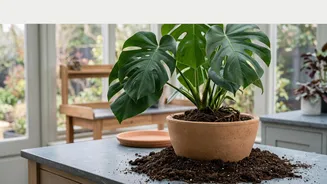
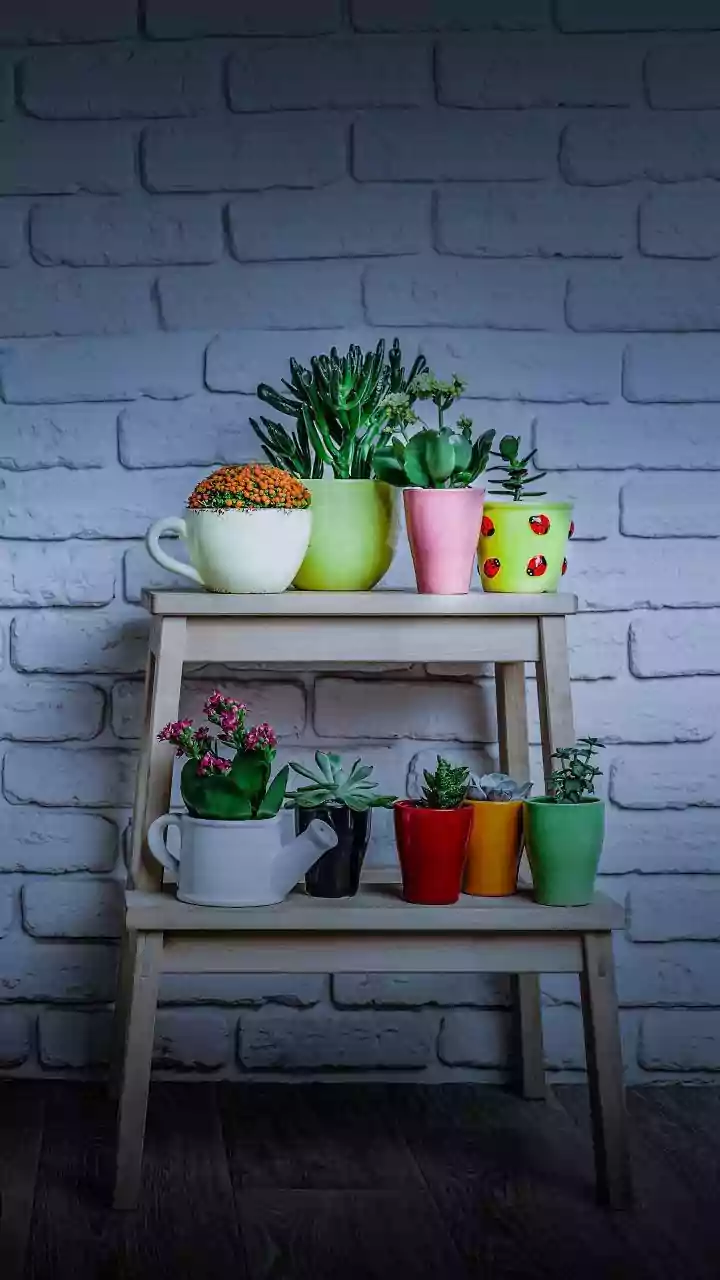
Once you've mapped your home's light, you can play matchmaker. Plants that thrive in high, direct light include most cacti and succulents, which are adapted to harsh sun. For those bright, indirect spots, consider tropical favourites like Monsteras, Philodendrons, and Peace Lilies, which are used to the dappled light of a rainforest canopy. Many common houseplants, including Spider Plants, Dracaenas, and some ferns, are content with medium light. For the challenging low-light corners of your home, turn to hardy survivors like the Snake Plant (Sansevieria), ZZ Plant (Zamioculcas zamiifolia), and Cast Iron Plant, which can tolerate dimmer conditions.
Making the Seasonal Shuffle
As the seasons turn, be prepared to move your plants. That succulent that loved a south-facing window in the summer might need to be moved back a few feet in the winter to avoid getting scorched by the more direct sun. Conversely, a low-light tolerant plant that was happy across the room might need to be shifted closer to a window during the darker winter months. When moving a plant to a significantly brighter spot, it's crucial to acclimate it gradually. Abrupt changes can cause shock, leading to scorched leaves or leaf drop. Move the plant to its new, brighter location for just an hour or two a day, slowly increasing its exposure over a week or two. This gives the plant time to adjust its leaves and avoid stress.