






For millions, a desk job means hours of sitting, often leading to mysterious aches and stiffness. The culprit is often poor joint mobility, a direct result of remaining static. Understanding why this happens is the first step to feeling better.
The Real Problem with Sitting
The phrase
‘sitting is the new smoking’ has become common, and for good reason. While it may seem harmless, spending uninterrupted hours in a chair has a significant impact on our bodies, particularly our joints. When we sit, our joints are held in fixed positions, which reduces blood flow and lubrication. This can lead to increased stiffness, especially in the hips and knees. Over time, prolonged sitting causes specific muscle imbalances. The muscles at the front of your hips, known as hip flexors, become short and tight, while the glute muscles at the back weaken from inactivity. This imbalance pulls your pelvis out of alignment and places extra strain on your lower back and knees, contributing to chronic discomfort and pain.
Key Joints at Risk
Certain areas of the body are more vulnerable to the effects of a sedentary workday. Your hips are a primary concern, as sitting keeps them in a constant state of flexion, leading to tightness that restricts your ability to stand up straight and walk with a full range of motion. The spine is another major victim. Hunching over a keyboard encourages a forward-slumped posture, which can lead to a stiff upper back (thoracic spine) and chronic neck and shoulder pain. Without regular movement, the small joints in the spine lose their mobility, increasing pressure on the spinal discs. Even your shoulders suffer, rounding forward and becoming tight, which can limit your ability to reach overhead comfortably.
Break the Cycle with 'Movement Snacks'
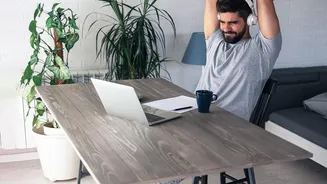
The most effective strategy to combat the effects of sitting is not necessarily a single, intense workout, but rather small, consistent movements throughout the day. Experts recommend breaking up long periods of sitting every 30 to 60 minutes. You don’t need a gym; simply standing up, walking around, or doing a few stretches can make a huge difference. Consider setting a timer on your phone or computer as a reminder. Use opportunities like phone calls to stand up and pace. If possible, explore options like a standing desk, which allows you to change positions without interrupting your workflow. The goal is to avoid being in any single position for too long. Even shifting your posture in your chair frequently helps.
Essential Desk-Friendly Mobility Drills
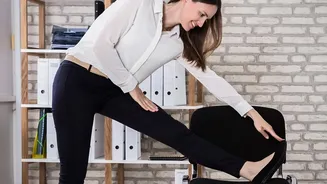
You can actively improve your joint mobility right at your workspace with a few simple exercises. To target tight hips, try a seated figure-four stretch: cross one ankle over the opposite knee and gently press the top knee down. For spinal mobility, perform seated trunk rotations by twisting your upper body from side to side while keeping your hips still. To counteract slumped shoulders, do shoulder blade squeezes by pulling your shoulder blades together and down, holding for a few seconds. Another great all-around move is the half-kneeling hip flexor stretch, which you can do during a quick break. Kneel on one knee and place the other foot forward, then gently push your hips forward to feel a stretch in the front of the kneeling leg's hip.
Optimise Your Workspace Ergonomics
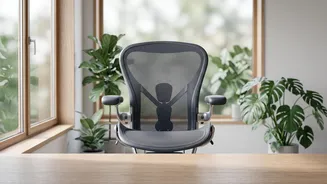
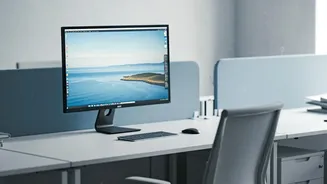
While movement is key, a properly arranged workspace can significantly reduce unnecessary strain on your body. Adjust your chair height so your feet rest flat on the floor and your knees are at roughly a 90-degree angle. Your chair should have good lumbar support to maintain the natural curve of your lower back. Position your monitor so the top of the screen is at or just below eye level, about an arm's length away, to prevent you from craning your neck forward. Your keyboard and mouse should be close enough that your elbows can remain bent at approximately 90 degrees, with your shoulders relaxed. These small adjustments ensure your body is in a more neutral, less stressful posture while you work.