







Beyond Rocket Science: What is Bioastronautics?
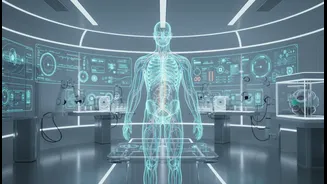
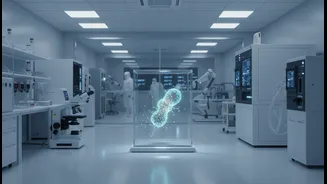
Before we can dream of long-duration space missions, we have to answer a fundamental question: how does the human body cope with the harsh environment of space? Bioastronautics is the science dedicated to answering that. It's an interdisciplinary field
that studies and supports life in space. Researchers in this area investigate the effects of microgravity, cosmic radiation, confinement, and psychological stress on astronauts. Their work is crucial for developing the countermeasures, technologies, and medical protocols needed to ensure human health and performance on missions to the Moon, Mars, and beyond. It is the science of keeping humans alive and well in the ultimate extreme environment.
India's Gateway to Space Medicine
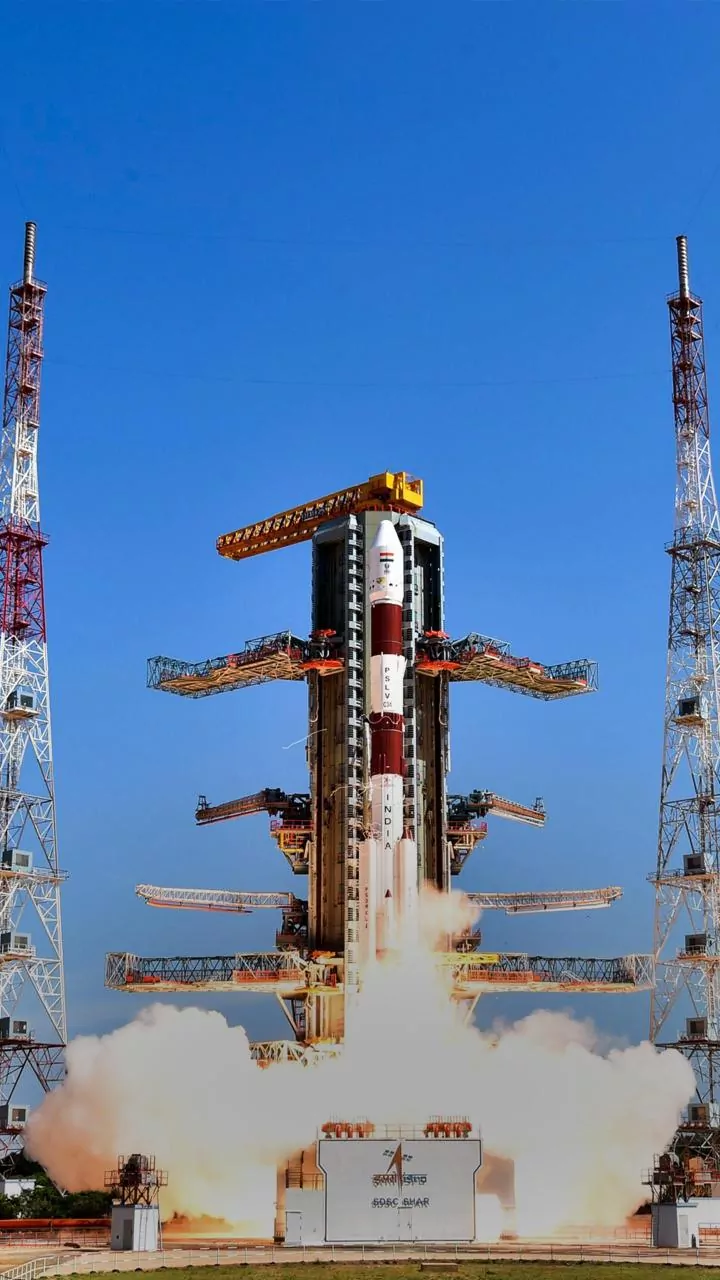
In a landmark move, the Indian Space Research Organisation (ISRO) and the Sree Chitra Tirunal Institute for Medical Sciences and Technology (SCTIMST) have launched India's first Postdoctoral Fellowship Programme in Bioastronautics. This two-year programme is designed to build a specialised workforce to support the country's ambitious human spaceflight programme, starting with Gaganyaan. The initiative was formalised in June 2026 and builds on a collaboration that began in 2025. The fellowship aims to create a pool of experts who can tackle the unique physiological challenges of space travel, making future missions safer and more sustainable.
Who Is It For?
This isn't an entry-level programme; it's designed for those who have already dedicated their careers to advanced science and medicine. The fellowship is open to candidates with postgraduate medical degrees (MD/MS), super-speciality qualifications (DM/MCh), or PhDs in relevant life science and biomedical disciplines. The programme will be highly selective, admitting just two fellows each year, with the first academic session scheduled to begin in July 2026. This selectivity ensures that India is cultivating a small but highly skilled cadre of experts to lead its space medicine efforts.
Training for the Final Frontier
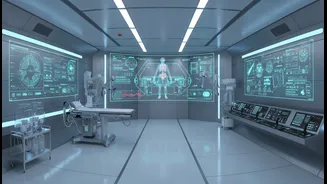
Selected fellows will embark on a comprehensive two-year journey that spans two of India's premier institutions. They will split their time between SCTIMST in Thiruvananthapuram, a hub for medical science and technology, and ISRO's Human Space Flight Centre (HSFC) in Bengaluru, the nerve centre of the Gaganyaan mission. The curriculum is designed to provide a deep understanding of the changes that occur in human cells, tissues, and organs during space travel. This dual-location training ensures that fellows gain both the clinical research expertise and the specific operational knowledge required for human space missions, from ground simulations to in-flight health monitoring.
The New Career Trajectory
This fellowship directly addresses a critical gap, creating a formal career path into space medicine within India. Graduates will be at the forefront of a new scientific domain for the country. Career opportunities are expected to be focused within India's growing space ecosystem. These specialists will be prime candidates for roles as project scientists at ISRO and HSFC, leading research on astronaut health and safety. They could also become faculty members in emerging space health programmes at universities, helping to train the next generation. As India develops its own biomedical devices and protocols for space, these fellows will be the architects and innovators, reducing the nation's reliance on international data and technology.
A Giant Leap for Indian Space Science
The establishment of this fellowship is more than just a new academic course; it's a statement of intent. For India to become a major player in long-duration space exploration, it must develop indigenous expertise in keeping its astronauts healthy. This programme creates the talent pipeline necessary for that goal. By investing in bioastronautics, India is not only supporting the Gaganyaan mission but is also laying the groundwork for future projects, including a potential Indian space station. ISRO Chairman Dr. V. Narayanan has emphasised that building this capacity is crucial as India plans for more complex human missions in the coming years. This initiative ensures that as Indian spacecraft venture further into the cosmos, our medical expertise will be right there with them.