


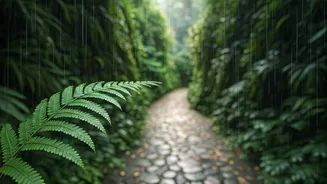


The Old Monsoon Ritual
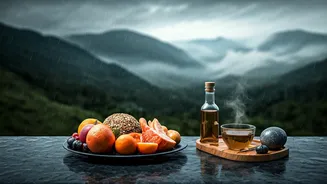
For generations of Indians, the monsoon getaway was a cherished, almost sacred ritual. The goal was to escape the city's heat and grime, find a perch in the hills or by the coast, and simply surrender to the rhythm of the rain. The checklist was short:
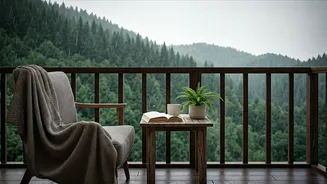
a comfortable room, a balcony to watch the downpour, and a supply of hot pakoras and tea. Destinations like Lonavala, Munnar, or Darjeeling became synonymous with this passive, atmospheric form of leisure. It was about the weather, the mood, and the company. The hotel was a base, not the destination itself. The experience was defined by what you saw outside your window, not what was happening inside the property.
A Shift in Priorities
That classic ideal, while still lovely, is no longer the primary driver for a growing number of Indian travellers, especially millennials and Gen Z. The modern urban lifestyle, characterised by digital overload, chronic stress, and a sense of burnout, has changed what we seek from a break. A simple change of scenery isn't enough. Today's traveller is asking for more: restoration, connection, and experience. The getaway is no longer an escape from life, but an investment in it. This has fundamentally altered the calculus of planning a trip. The question has shifted from 'Where can we go to see the rain?' to 'Where can we go to feel better?'
Wellness Becomes the Destination
This is where wellness enters the picture, not as an add-on but as the main event. A hotel with a generic spa is no longer sufficient. Travellers are actively seeking out properties that offer integrated wellness programmes. This can mean anything from intensive yoga and meditation retreats in the Himalayas of Uttarakhand to traditional Ayurvedic panchakarma treatments in the lush backwaters of Kerala. It’s about digital detoxes where you are encouraged to lock your phone away, guided nature walks (or 'forest bathing'), sound healing sessions using singing bowls, and mindfulness workshops. The appeal is the promise of returning not just rested, but genuinely rejuvenated, with new tools to manage stress back in the city. The green, rain-washed landscape of the monsoon becomes the perfect, therapeutic backdrop for this journey inward.
Food as an Immersive Experience
Alongside wellness, food has been elevated from mere sustenance to a central pillar of the travel experience. The discerning traveller isn’t looking for a multi-cuisine restaurant that serves a generic butter chicken. They are hunting for authenticity and story. This translates to a demand for boutique properties that champion farm-to-table dining, using produce grown in their own organic gardens. It’s about experiencing hyper-local cuisines that you won't find in big city restaurants—learning about foraged ingredients from the surrounding forests or tasting a dish prepared with a secret family recipe. Many resorts are now offering immersive culinary experiences like cooking classes with local chefs, visits to spice plantations, or curated food trails. The meal is no longer just a meal; it's a cultural lesson, a connection to the local land and its people.
The New Monsoon Map
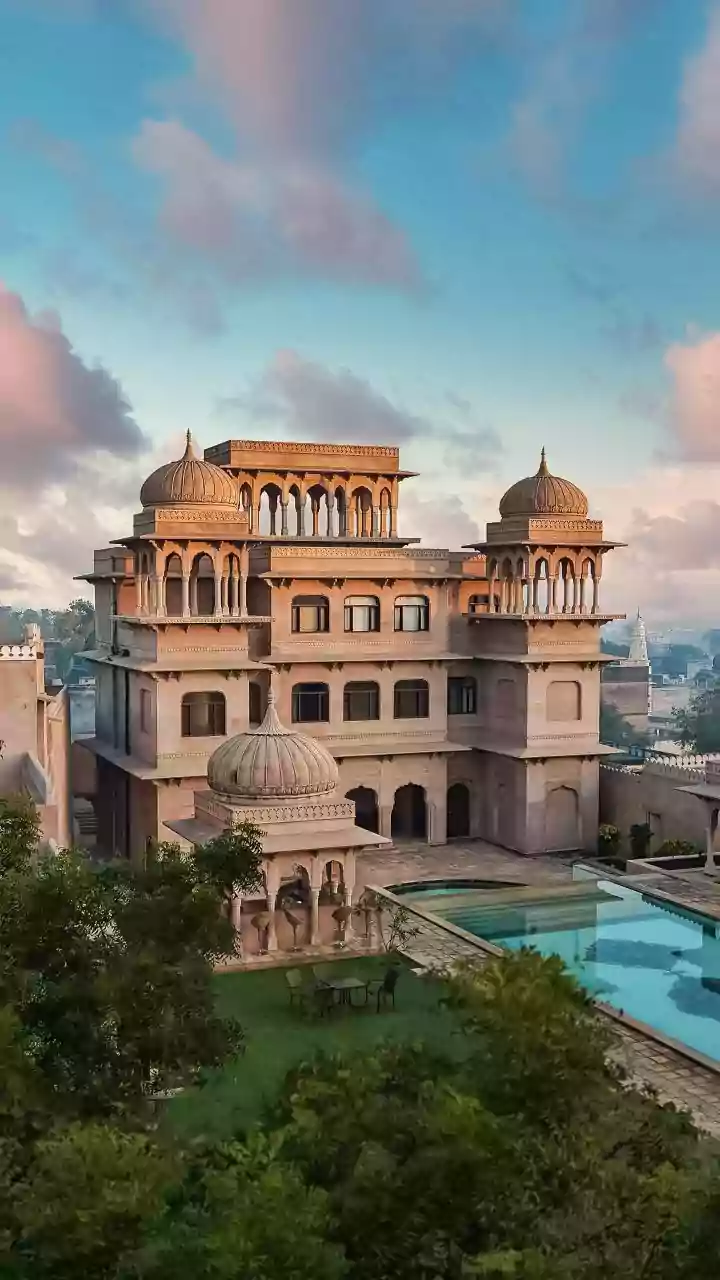
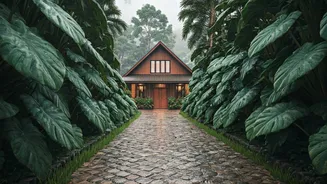
This trend is reshaping the travel map of India. While traditional monsoon spots remain popular, a new category of destination is emerging. Boutique wellness resorts in the Western Ghats, from Coorg to the outskirts of Pune, are offering curated wellness and culinary packages. Heritage havelis in Rajasthan are using the quieter monsoon season to focus on immersive stays centred around royal cuisine and slow living. Homestays in the hills of Himachal and the Nilgiris are attracting guests not just with views, but with promises of organic home-cooked meals and peaceful solitude. This isn't about luxury in the traditional sense of opulence, but the luxury of time, silence, and authentic, restorative experiences.