






The Gravity-Defying Spectacle
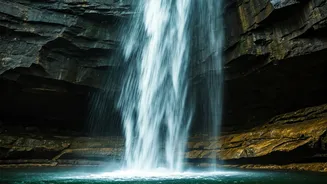
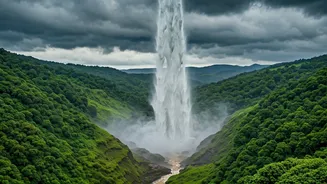
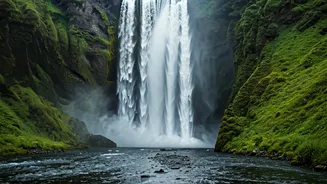
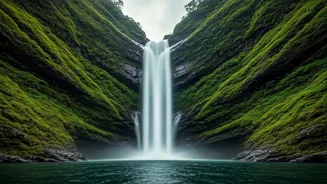
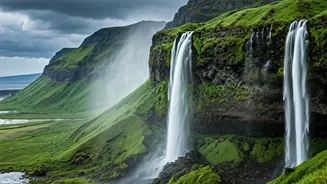
Imagine standing at the edge of a cliff in the Western Ghats, surrounded by mist and the roar of a waterfall. But instead of cascading down into the valley below, the water sprays upwards, climbing back over the precipice in a shimmering, ghostly plume.
This isn't a scene from a fantasy film; it's a real phenomenon known as a 'reverse waterfall'. Every year during the peak of the monsoon, trekkers and nature lovers flock to spots like Naneghat and Kavalshet Point in Maharashtra to witness this incredible sight. The water appears to flow backwards, creating an illusion so convincing that it feels like you're watching nature play a magical trick.
How Does It Actually Work?
While it looks like the water is defying physics, the explanation is a beautiful blend of wind and geography. The waterfall isn't actually reversing its flow. Instead, what you are seeing is the effect of incredibly strong winds. During the monsoon, wind speeds in the Ghats can become exceptionally powerful. As this wind rushes up the face of a cliff, it meets the falling water from the cascade. The force of the wind is so great that it catches the water droplets and spray, pushing them upwards and backwards over the cliff's edge. It's less a reverse flow and more of a powerful aerosol effect, where the wind atomizes the water and carries it skyward.
The Monsoon's Perfect Conditions
This phenomenon is intrinsically tied to the Indian monsoon. The south-west monsoon winds travel thousands of kilometres across the Arabian Sea, gathering immense moisture and speed. When this powerful, uninterrupted flow of wind hits the tall, steep barrier of the Western Ghats, it has nowhere to go but up. This rapid upward movement of air is known as orographic lift. It’s the same process responsible for the heavy rainfall on the windward side of the mountains. For a reverse waterfall to occur, you need a perfect storm of conditions: a narrow gorge or a sharp cliff edge that funnels the wind, a waterfall with a steady but not overwhelming flow, and the relentless, high-velocity winds that are characteristic of a strong monsoon season.
Where to Witness This Wonder
The Western Ghats are the primary stage for this natural drama. Naneghat, an ancient trade route pass near Pune, is one of the most famous spots to see a reverse waterfall. Its unique topography creates a natural wind tunnel that amplifies the effect. Similarly, Kavalshet Point near Amboli in Maharashtra offers panoramic views of several such cascades during peak monsoon. Other locations include the Ananthagiri Hills in Telangana and certain cliffs in the Malshej Ghat. For those seeking this experience, the best time to visit is typically between July and September, when the monsoon is at its most active. However, visitors should exercise extreme caution, as the terrain can be slippery and the weather conditions unpredictable.
Nature's Seasonal Magic
The reverse waterfall is perhaps the most dramatic, but it's just one of the many optical wonders the monsoon brings. The same orographic lift creates stunning lenticular clouds—smooth, saucer-shaped clouds that seem to hover motionlessly over mountain peaks, often mistaken for UFOs. The intense moisture in the air refracts light in peculiar ways, leading to exceptionally vivid rainbows, often in complete double arcs. The entire landscape transforms, with a lush, almost fluorescent green carpet covering every inch of soil. These phenomena remind us that the monsoon is more than just rain; it's a powerful, transformative force that reshapes our world in beautiful and surprising ways.