
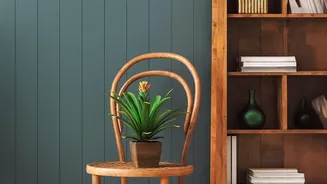
The Enduring Allure of the Curve
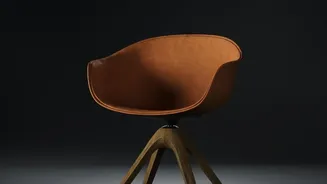
For the last several years, interior design has embraced a softer side. Reacting against the rigid, sharp minimalism that defined the previous decade, homeowners and designers alike have fallen for the charm of curved furniture. Rounded sofas, sculptural
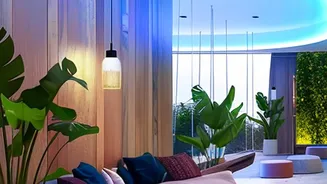
accent chairs, and kidney-shaped tables bring an organic, welcoming feel to a space. These forms feel more human-centered, providing ergonomic comfort and creating a natural sense of flow that can make a room feel more open and intuitive. Curves introduce a sense of movement and fluidity, breaking up the boxiness of a typical room and fostering a calmer, more relaxed atmosphere.
From Saturation to Sophistication
Like any popular trend, the love for curves has reached a point of saturation. The result has been rooms filled exclusively with rounded shapes—a curved sofa, a round coffee table, a circular rug, and arched mirrors. While cohesive, this approach can lack structure and make a space feel undefined or even chaotic. Some designers warn that an overabundance of curves can make a room feel directionless and that the look may not be timeless. The current evolution of the trend is a direct response to this, moving away from creating a 'theme' and toward a more sophisticated, balanced application of shape and form. It’s no longer about filling a room with curves, but about using them strategically.
The Art of the Mix: Balancing Shapes
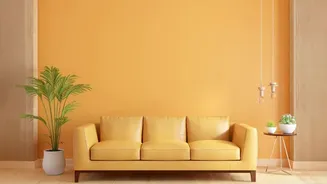
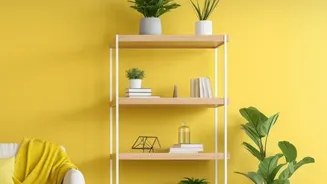
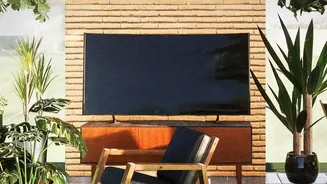
The secret to making curves feel fresh and timeless lies in creating a dialogue between rounded and linear forms. The most dynamic and inviting rooms rely on this interplay. Straight lines provide order, stability, and structure, while curves introduce softness and warmth. A great rule of thumb is to aim for a balance, such as having roughly 70-80% straight-lined, architectural pieces and 20-30% curved elements. This contrast is key. For example, you can anchor a room with a traditional rectangular rug and then place a sculptural, curved sofa on top. The rug grounds the space, while the sofa adds a soft focal point. Similarly, pairing a linear, structured sofa with a round coffee table creates a pleasing tension that keeps the eye engaged.
Strategic Curves for Maximum Impact
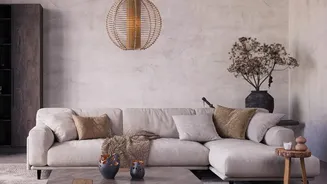
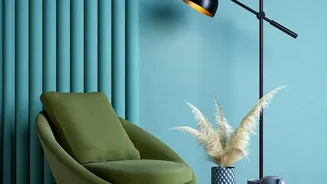
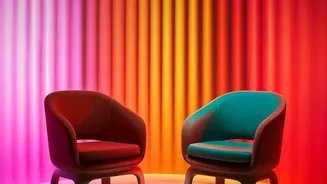
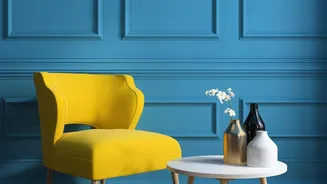
Instead of going all-in, think about where a curve will have the most impact. A single statement piece is often enough to transform a room. A beautifully contoured sofa, for instance, can serve as functional art, softening an entire living area. Place it where its silhouette can be appreciated, perhaps floating in the middle of a room rather than pushed against a wall. In a space dominated by angular furniture, introducing a pair of rounded tub chairs can instantly make it feel more inviting. Even smaller accents can make a big difference. An arched floor lamp, an oval mirror above a rectangular console, or a round side table can all introduce that necessary softness without overwhelming the room’s structure.
Beyond Furniture: Architectural Shapes
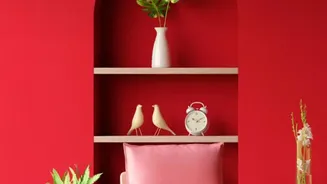
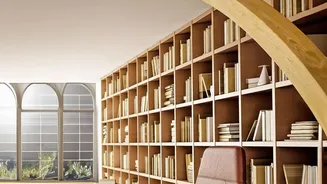
This principle of balance extends beyond furniture to the room itself. Many modern homes are filled with hard angles and straight lines. Softening these with architectural curves can be incredibly effective. An arched doorway or a curved niche built into a wall can provide an organic counterpoint to the room's linear structure. These built-in curves can then be balanced with more angular furniture to maintain that sophisticated mix. For example, a room with an arched doorway feels complete with a clean-lined sofa and a rectangular coffee table. This thoughtful combination of shapes creates a layered, custom look that feels both contemporary and enduring.