




The Cold-Pressed Difference
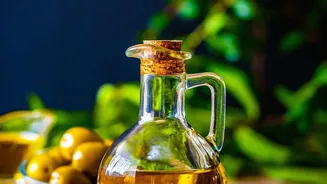
Before we dive into specific oils, it's crucial to understand what “cold-pressed” means. Unlike refined oils, which are extracted using high heat and chemical solvents, cold-pressed oils are made through a mechanical pressing process at low temperatures.
This gentle extraction preserves the oil's natural flavour, aroma, and nutrients, which are often lost during industrial refining. While refined oils are neutral and have a higher smoke point for deep frying, cold-pressed oils retain the authentic character of their source seed. This makes them an indispensable tool for anyone seeking to replicate the true taste of a regional dish, where the oil is not just a medium but a key flavouring agent itself.
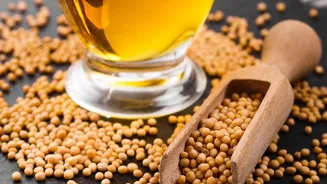
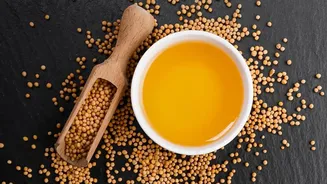
Mustard Oil: The Pungent Soul of the East and North
Cold-pressed mustard oil, or sarson ka tel, is the lifeblood of kitchens in Bengal, Bihar, Punjab, and Assam. Its sharp, pungent flavour is unmistakable and essential for the authenticity of many dishes. Think of the iconic Bengali fish curry, shorshe ilish, or the comforting potato and poppy seed dish, aloo posto—neither would taste the same without the distinctive kick of mustard oil. This oil’s character is so strong that it’s often heated to a near-smoking point to mellow its initial sharpness before ingredients are added. Its preservative qualities also make it the traditional choice for making pickles across India, where it adds both flavour and longevity. Using a cold-pressed variety, often called kacchi ghani, ensures you get the full, robust flavour that has defined these regional cuisines for centuries.
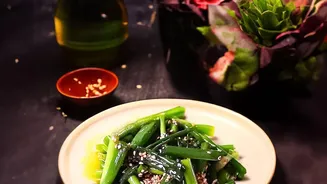
Sesame Oil: The Nutty Heartbeat of the South
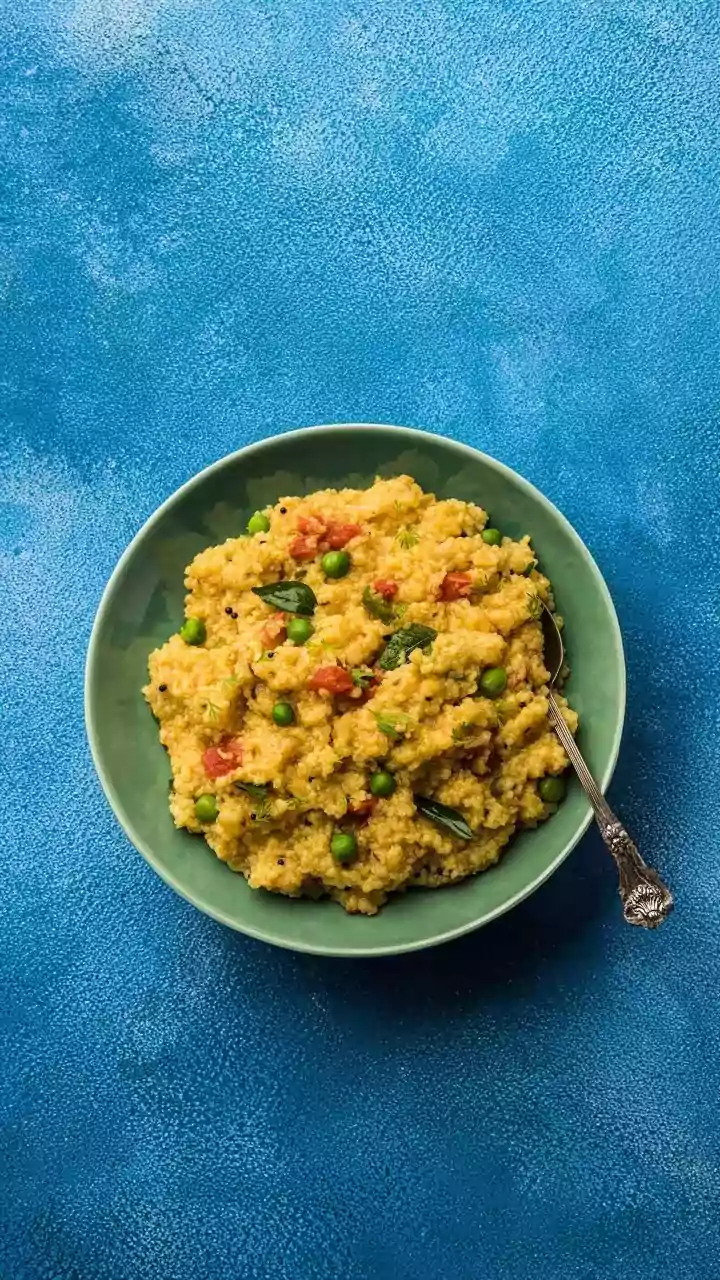
Travel south, and the culinary landscape changes. Here, sesame oil, often called gingelly oil, is a staple. With its rich, nutty aroma, it is fundamental to the flavour profile of countless South Indian dishes. It is the preferred oil for tempering (tadka), where spices like mustard seeds and curry leaves are sizzled to release their flavours into dishes like sambar and rasam. It's also drizzled raw over idli and dosa, often mixed with podi (spice powder), adding a layer of deep, earthy flavour. While lighter sesame oil is used for frying, the cold-pressed version retains a more pronounced flavour that is crucial for these finishing touches and marinades. Its use is so ingrained in the culture that sesame oil is also used in religious rituals, signifying its importance beyond the kitchen.
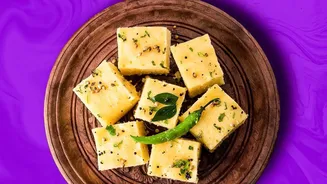
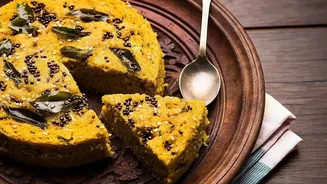
Groundnut Oil: The Versatile Workhorse of the West
In Gujarat and Maharashtra, groundnut oil (shengdana tel) reigns supreme. Valued for its mild, slightly sweet and nutty flavour, it is the perfect companion for the region's cuisine, which often balances sweet, spicy, and savoury notes. Cold-pressed groundnut oil is versatile enough for everyday cooking, from making sabzis and dals to frying snacks like vada pav and thepla. Unlike the more assertive mustard or coconut oils, groundnut oil doesn't overpower the other ingredients. This makes it an ideal base for a wide variety of dishes, allowing the delicate flavours of vegetables and spices to shine through. It is the quiet hero in the Western Indian kitchen, providing a clean flavour for everything from tempering to frying farsan.