
The Sheet Pan Supper
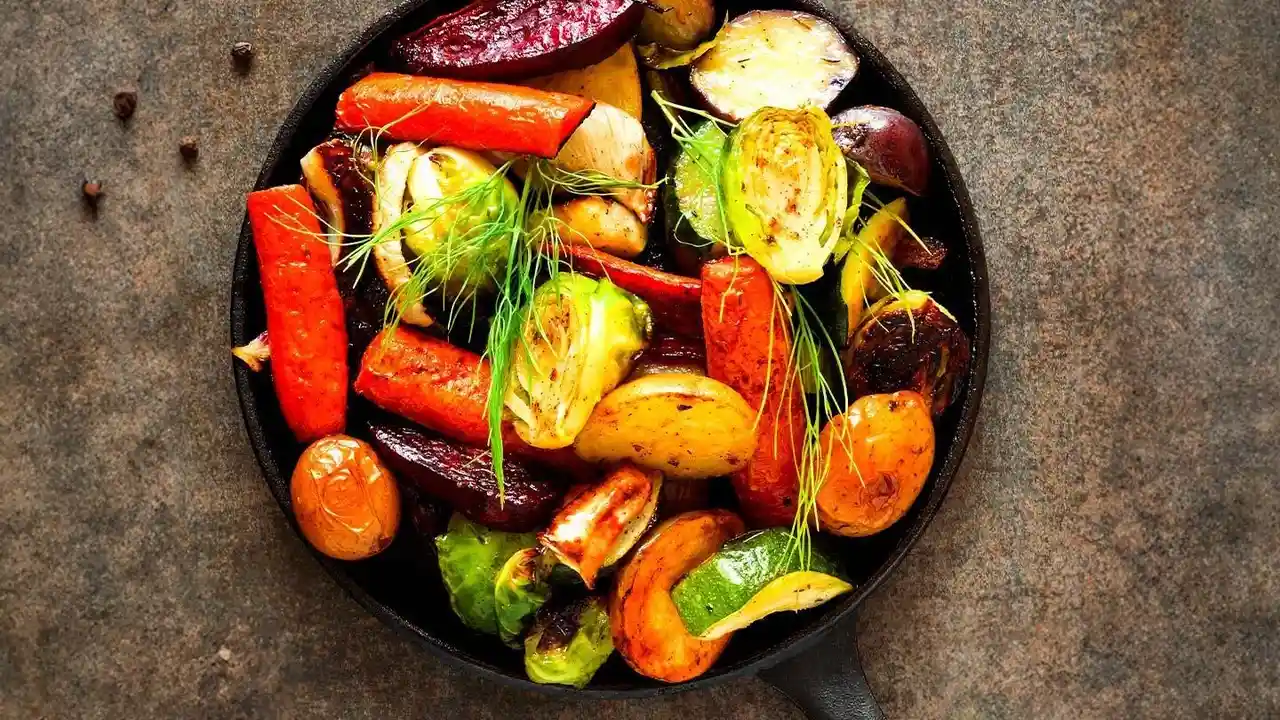
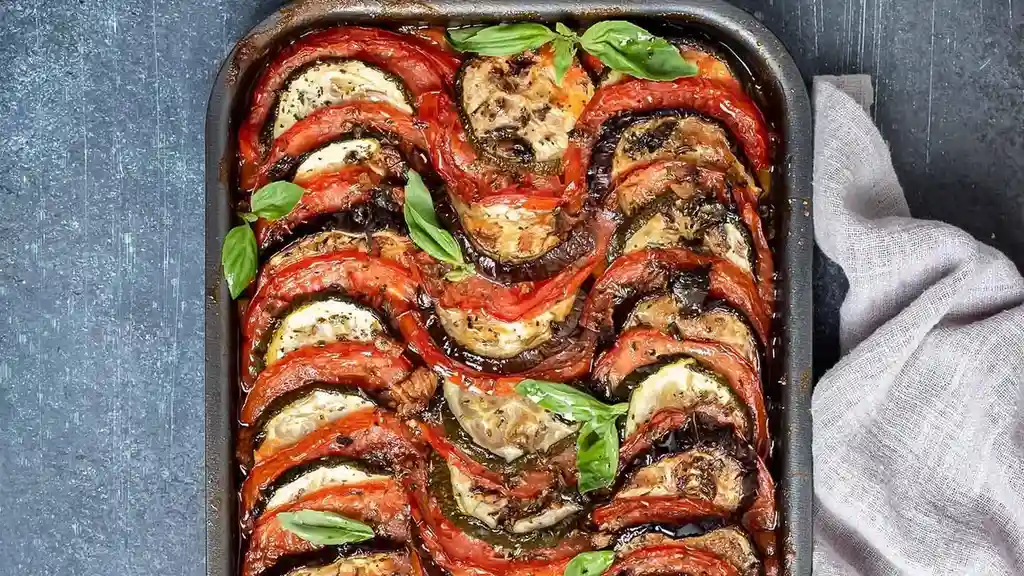
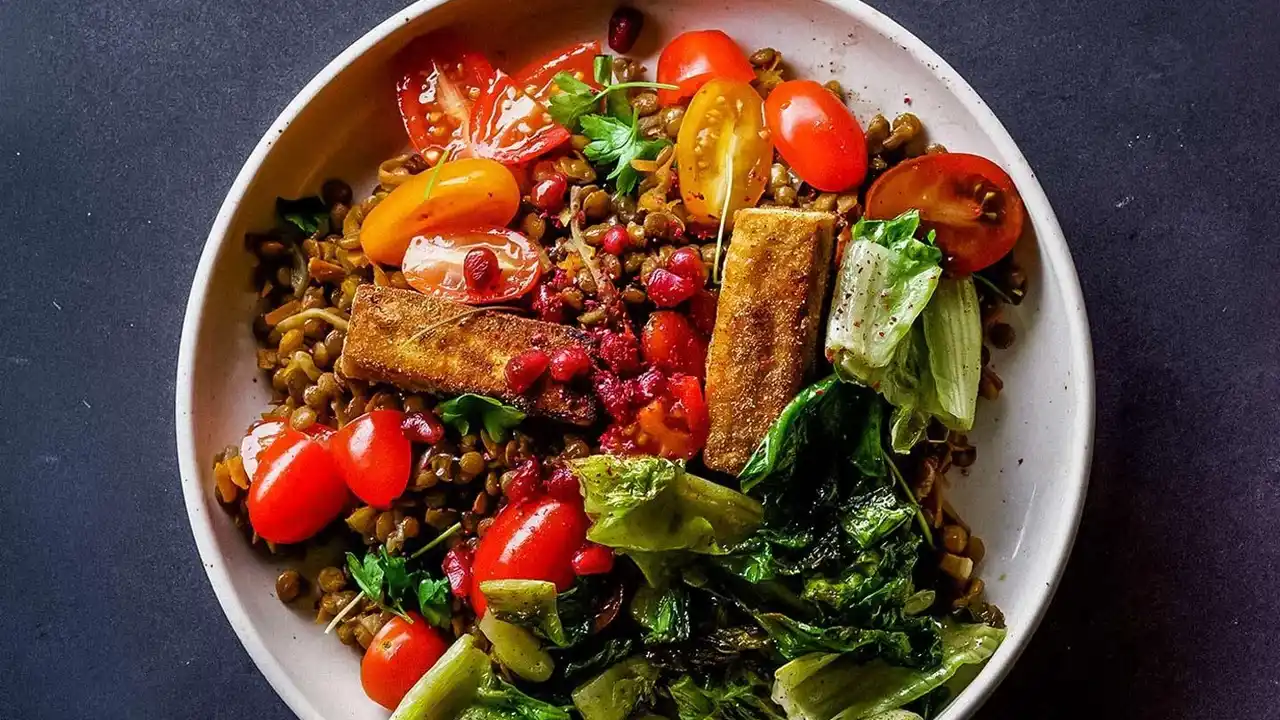
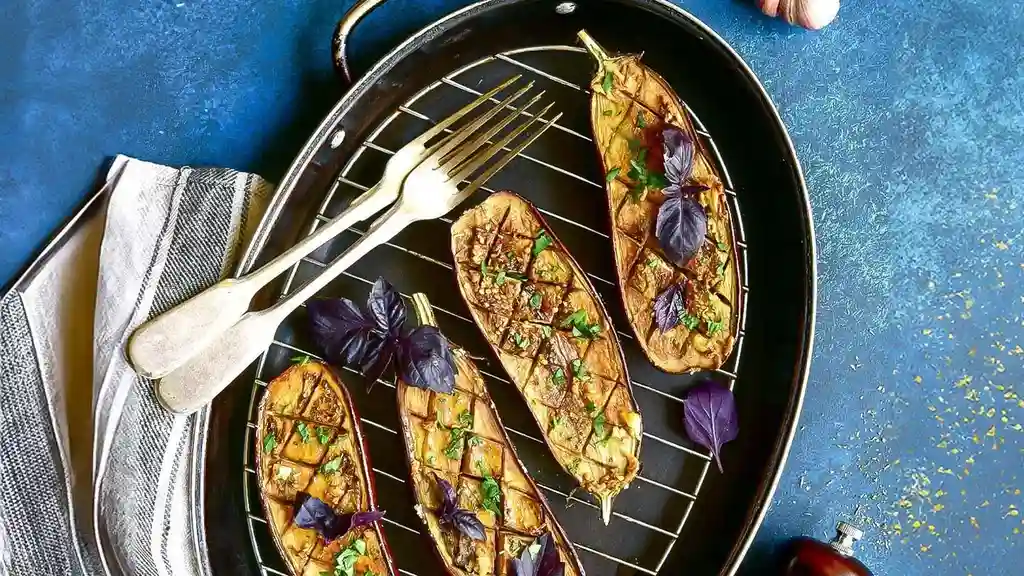
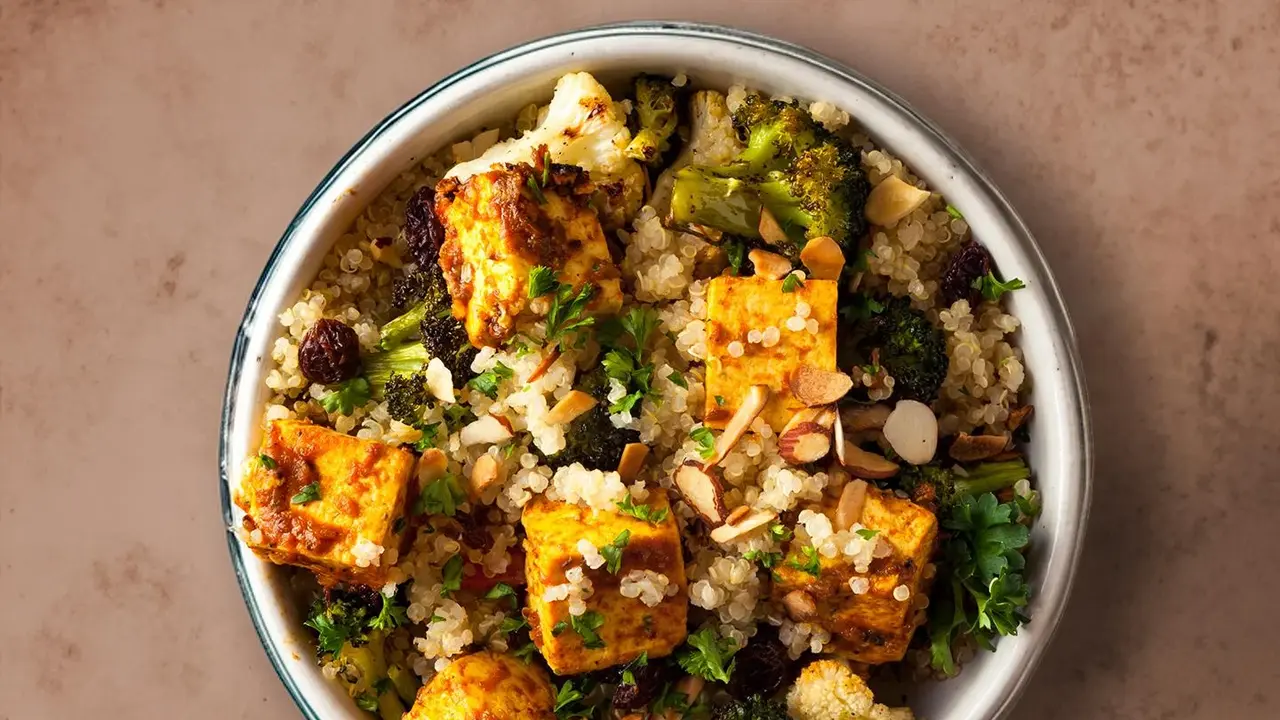
The sheet pan is arguably the hero of weeknight dinners. The technique is simple: toss your favorite vegetables with oil and seasonings, spread them on a rimmed baking sheet, and roast. For a complete meal, add a protein like chickpeas or cubed tofu.
The key to success is managing cooking times. Harder vegetables like potatoes and carrots need a head start, so put them in the oven first for 15-20 minutes before adding quicker-cooking items like bell peppers, zucchini, or green beans. To ensure everything gets crispy and caramelized instead of steaming, don't overcrowd the pan; use two if you have to. And for the easiest cleanup imaginable, line your pan with parchment paper.
The Skillet Sensation
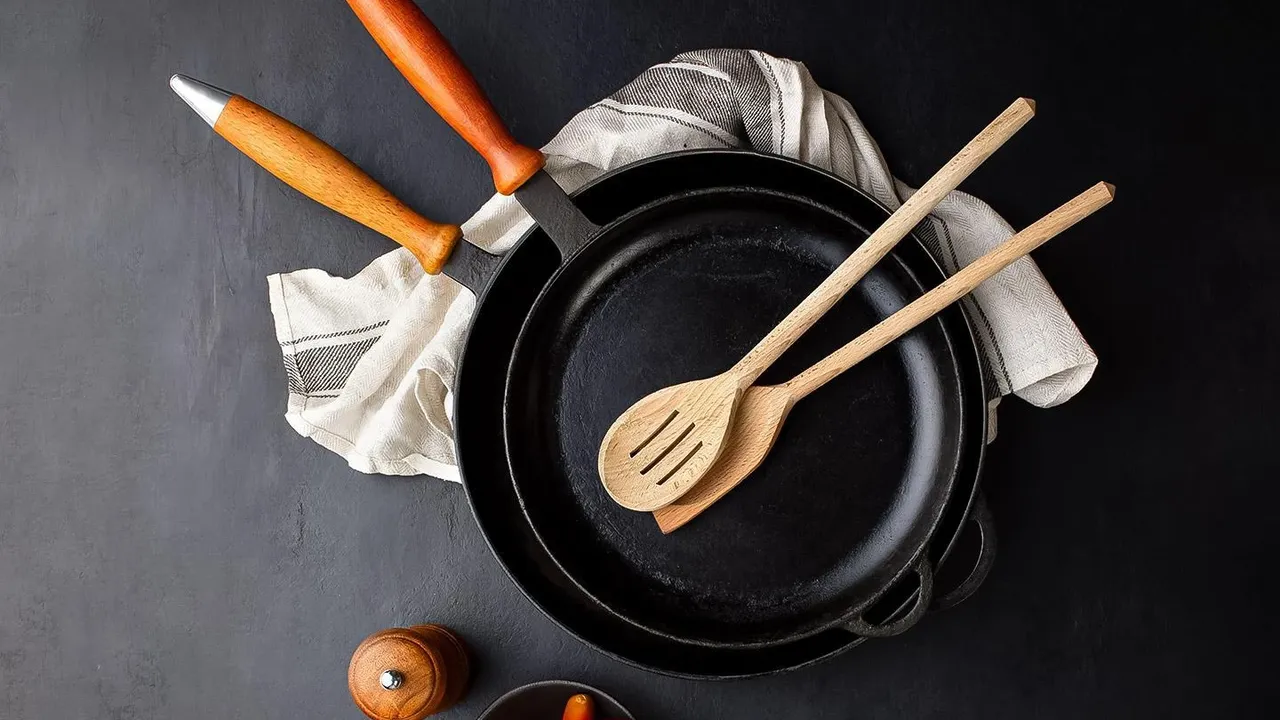
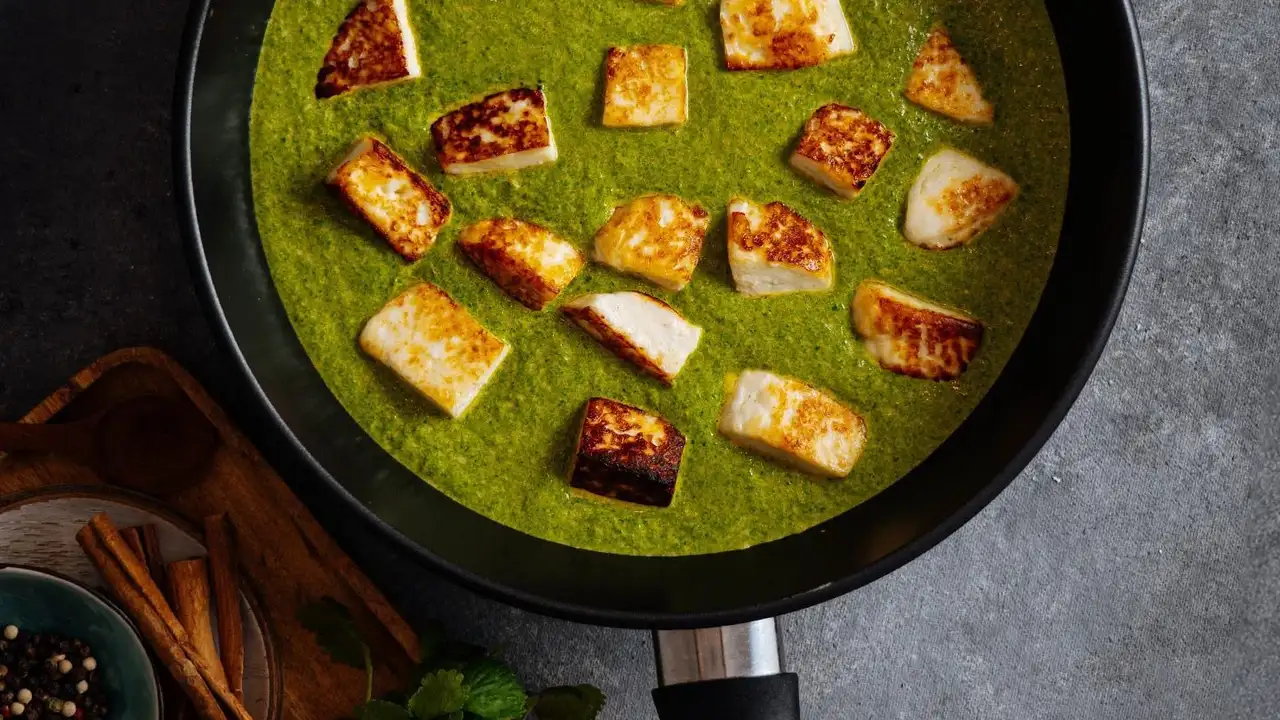
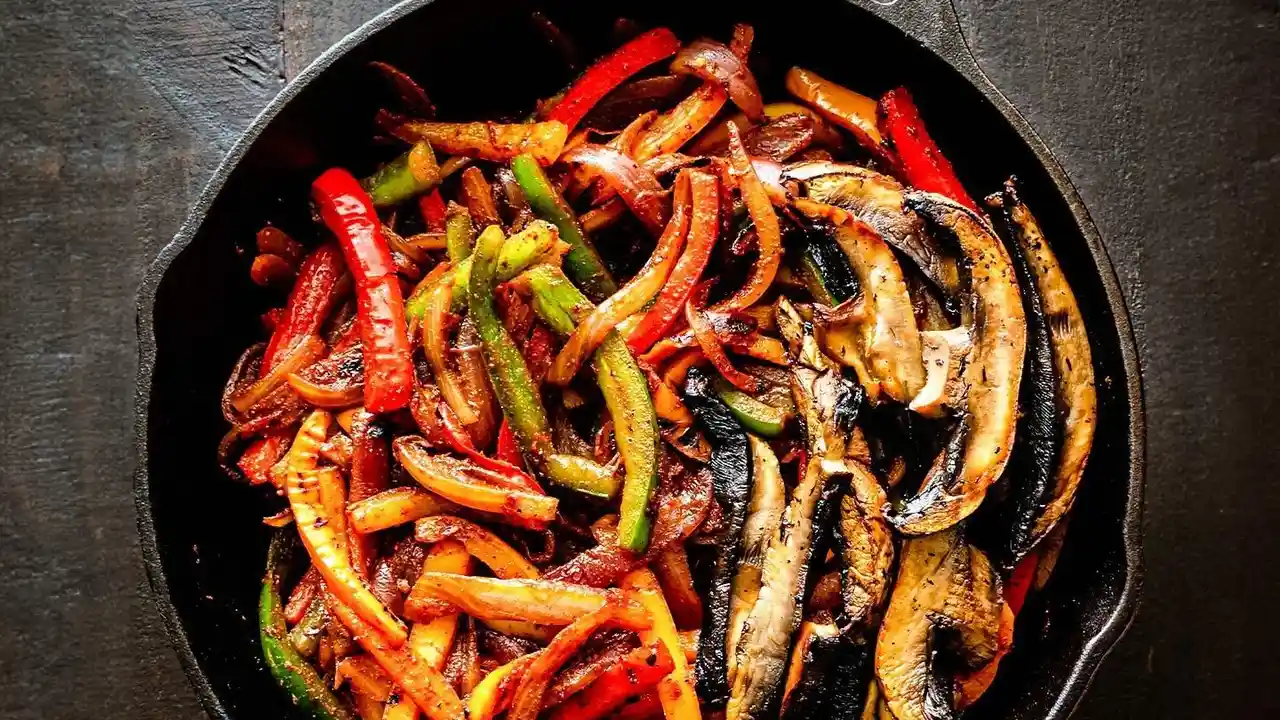
A large skillet is perfect for building layered, flavourful dishes on the stovetop. Think vegetable-packed hashes, quick curries, or taco fillings where every ingredient contributes to the final taste. You can start by sautéing aromatics like onions and garlic, then add heartier vegetables, and finally stir in beans, lentils, or grains. Cooking everything together allows the flavors to meld beautifully. For example, in a vegetarian taco skillet, the quinoa cooks in the same vegetable broth and fire-roasted tomatoes that soften the peppers and onions, infusing every bite with flavor. This method also works wonderfully for dishes like paella or skillet gnocchi.
The One-Pot Pasta Hack
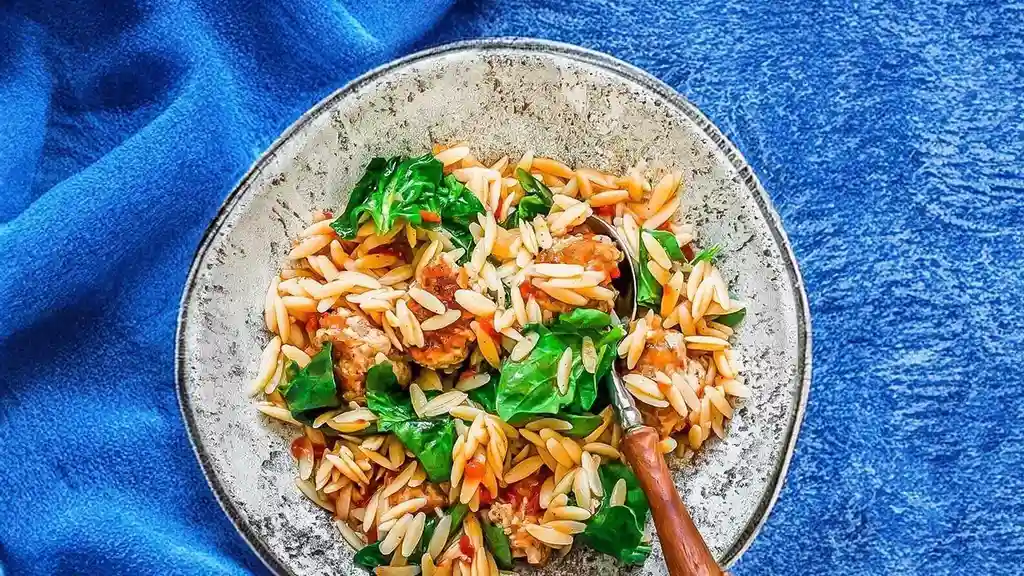
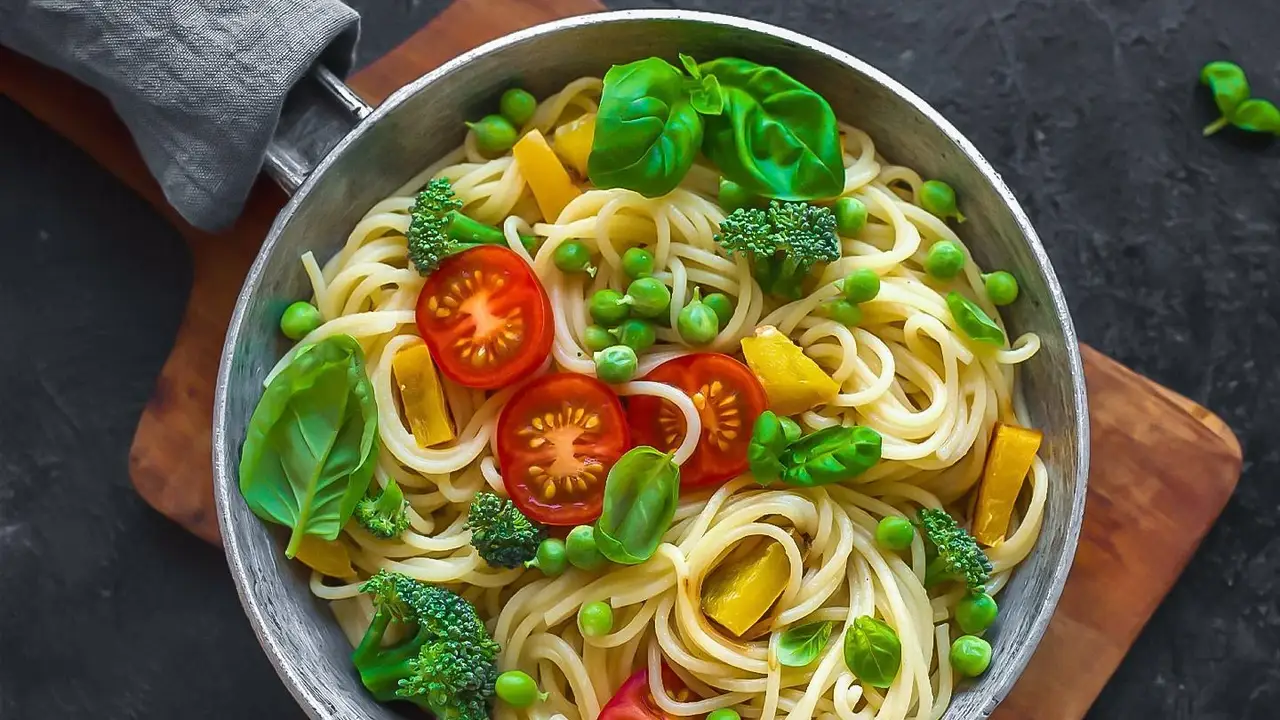
Traditional pasta often requires one pot for boiling noodles and another for the sauce. The one-pot method streamlines this entirely. You combine uncooked pasta, water or broth, chopped vegetables, and seasonings in a single large pot or Dutch oven. As the pasta cooks, it releases starches that create a surprisingly creamy sauce, all while absorbing the flavors of the surrounding ingredients. This technique is fantastic for vegetarian pastas because the vegetables soften and release their own moisture, contributing to the sauce. This method not only saves on cleanup but also helps retain nutrients that would otherwise be lost when draining pasta water.
The Cozy Pot Comfort
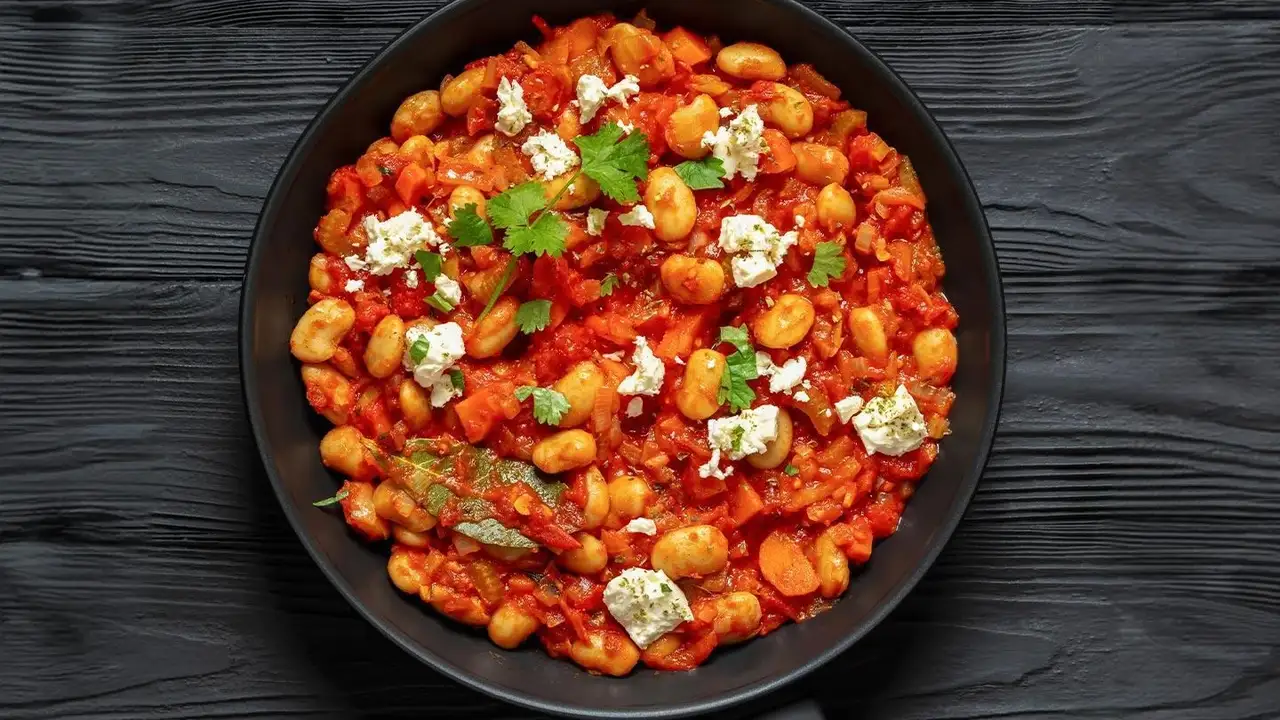
For heartier meals like stews, chilis, and rich soups, a single large pot (like a Dutch oven) is your best friend. This approach is ideal for dishes that benefit from slow simmering, which allows flavors to develop deeply over time. You can build a foundation by searing tofu or caramelizing onions, then add liquids, vegetables, and legumes to simmer together. Because all the ingredients cook in the same vessel, nothing goes to waste; every bit of flavor is retained in the final dish. It’s an efficient way to prepare meals in larger batches for leftovers, making future meals even easier.
Tips for One-Pan Perfection
Regardless of your chosen vessel, a few universal principles will ensure success. First, always use enough oil or another fat to coat your ingredients, which prevents sticking and promotes browning. Second, cut your vegetables into uniform sizes for even cooking. Third, consider your heat source—a hot oven is great for roasting, while medium heat on the stove is better for building flavor in a skillet. Finally, finish your dish with a touch of freshness. A squeeze of lemon juice, a sprinkle of fresh herbs like cilantro, or a dollop of yogurt can brighten up the entire meal just before serving.