




Choose Your Plants Wisely
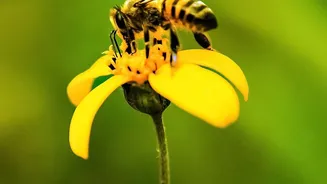
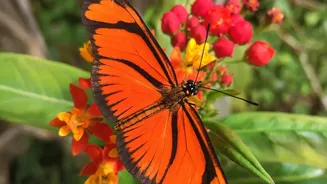
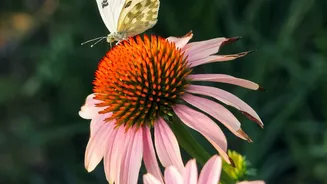
The secret to attracting wildlife is to offer them food. For pollinators like bees and butterflies, this means nectar- and pollen-rich flowers. You don't need dozens; just a few hardworking plants can turn your balcony into a popular cafe. Brightly coloured
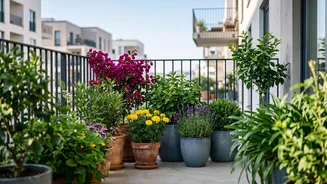
flowers are a great start. Marigolds (Genda) are a fantastic choice for Indian climates, as their yellow and orange blooms are magnets for bees and butterflies. They are also famously low-maintenance. Similarly, Hibiscus (Gudhal), Salvia, and Zinnia provide ample nectar and thrive in containers. For a fragrant touch, consider Lavender or Jasmine (Mogra), both of which are highly attractive to bees. Don't forget herbs like Tulsi (Holy Basil); when it flowers, it becomes a hub for grateful bees. The key is to choose plants with open-faced flowers, which make it easy for insects to access the pollen and nectar.
Think Beyond Just Flowers
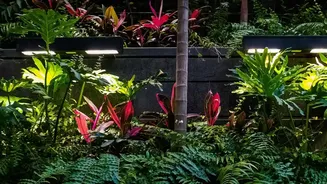
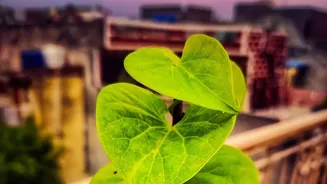
A truly supportive habitat offers more than just a meal. To keep birds and butterflies visiting, you need to provide water and shelter. This is far simpler than it sounds. A shallow water dish is one of the most effective additions you can make. Birds need a reliable place to drink and bathe, especially in urban areas where water sources can be scarce. To make it safe for smaller creatures, add a few pebbles or stones to the dish; this gives bees and butterflies a safe place to land and drink without the risk of drowning. For shelter, simply grouping your pots together can help. The dense foliage creates a micro-habitat that offers protection from wind and predators. If you have a railing, a climbing plant like the Butterfly Pea (Aparajita) can provide beautiful blue flowers and create a living screen. Maximising vertical space with hanging baskets or railing planters is a great strategy for small balconies.
Welcome Our Feathered Friends
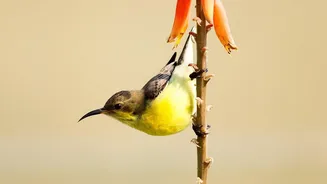
Attracting birds might take a little more patience, but it's incredibly rewarding. The same colourful, nectar-rich plants that bring in butterflies will also catch the eye of curious birds. Sunflowers are an excellent two-in-one plant, offering nectar and then seeds later in the season. To make your balcony even more tempting, you can add a small bird feeder. There are many lightweight models designed for apartments, including some that clamp directly onto railings. To avoid mess on your balcony or for neighbours below, consider using no-waste foods like sunflower hearts or nuts. A consistent food and water source is crucial; once birds know they can rely on your balcony, they will become regular visitors.
Keep It Simple and Sustainable
The goal is to support nature, not to give yourself another chore. The 'without a large project' part is essential. Choose plants that are well-suited to your local climate and the amount of sun your balcony receives. Drought-tolerant plants like Portulaca (Moss Rose) and Vinca (Sadabahar) are great low-maintenance options that provide continuous blooms with less watering. Use good quality potting soil and ensure your containers have drainage holes to prevent waterlogging. There is no need to use pesticides, which can be harmful to the very creatures you are trying to attract. A healthy mini-ecosystem will often find its own balance. The most important thing is to start small. A few well-chosen plants and a dish of water are enough to begin. This small effort can create a vital link in the larger patchwork of urban green spaces, providing a much-needed rest stop for wildlife on the move.