


The Joy of a Confident Start
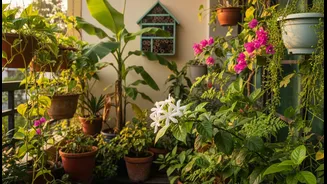
There’s a certain romance to the idea of growing exotic, delicate flowers seen in magazines or on social media. We imagine balconies overflowing with orchids or rare ferns. However, the path to becoming a successful gardener is paved with realistic choices.
Jumping straight to high-maintenance plants is like trying to run a marathon without any training — it often leads to disappointment and the mistaken belief that you don't have a 'green thumb'. The truth is, gardening is a skill built on confidence. Starting with hardy, local plants that are already adapted to your region's climate is the best way to learn the rhythms of plant care and experience the joy of seeing something thrive under your watch.
What Makes a Plant 'High-Maintenance'?
A 'high-maintenance' plant is simply one that has very specific and non-negotiable needs that differ from your local environment. This can include a demand for high humidity, a narrow temperature range, specific soil acidity, or a vulnerability to local pests. For instance, plants like Maidenhair Ferns are notoriously sensitive and can wilt dramatically if their watering schedule is even slightly off. Others, like certain varieties of Orchids or Bonsai trees, require meticulous attention to watering, feeding, and pruning to flourish. Attempting these as a novice can be an expensive and disheartening affair, turning a potential hobby into a chore.
Your Garden's Local Heroes
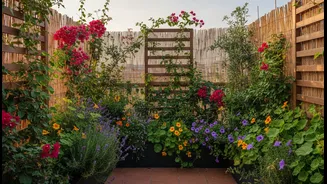
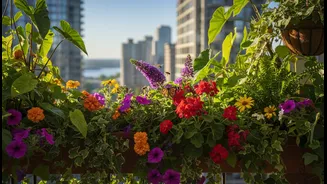
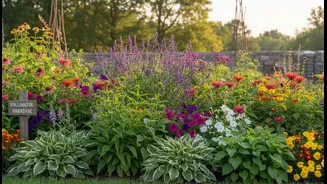
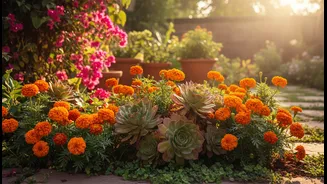
India's diverse climate hosts a treasure trove of beautiful, resilient plants that are perfect for beginners. These local champions are not only beautiful but also incredibly forgiving. Think of the vibrant Bougainvillea, which thrives in full sun and asks for very little water, rewarding you with cascades of colour. The beloved Hibiscus (Gudhal) is a staple in Indian gardens for a reason; it blooms prolifically in the heat. For fragrance, nothing beats the intoxicating scent of Jasmine (Mogra), a hardy plant that grows happily in pots. And of course, there are staples like Marigold (Genda) and Holy Basil (Tulsi), which are not only easy to grow but are also deeply woven into our culture.
More Than Just Easy: The Benefits of Going Native
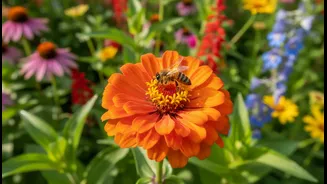
Choosing native plants goes beyond just making your life easier. It's an environmentally conscious decision. Since these plants have evolved in the local ecosystem, they are naturally suited to the rainfall patterns, soil types, and weather. This means they generally require less water, fewer fertilizers, and less pest control. They also play a crucial role in supporting local biodiversity by providing food and shelter for native birds, bees, and butterflies. A garden filled with native species becomes a small, thriving habitat, contributing positively to the environment around you.
How to Get Started on the Right Foot
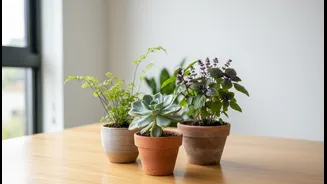
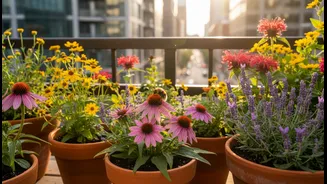
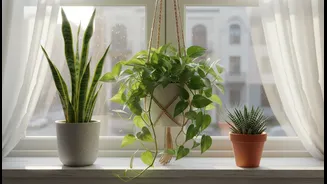
Ready to begin your gardening journey? Start by observing your space. How much sunlight does your balcony or garden get? Armed with this knowledge, visit a local nursery — not a large chain store that might stock generic plants, but a neighbourhood nursery. Talk to the staff about what grows well locally with minimal fuss. They can provide invaluable advice. Start with just a few plants in manageable pots. Plants like Snake Plant, ZZ Plant, and Money Plant are almost foolproof indoors. For outdoors, you can't go wrong with Periwinkle (Sadabahar) or Ixora. The goal is to learn, observe, and enjoy the process.