






The Sugar Showdown
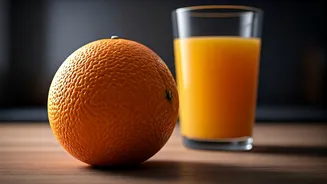
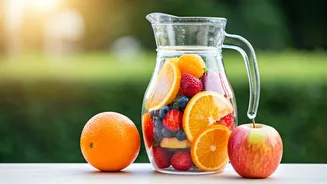
Let's start with the obvious villain: sugar. A can of a popular cola contains about 35-40 grams of sugar. But what about a 250ml glass of packaged orange juice? It can have around 25 grams of sugar. Even freshly squeezed juice is packed with it. The problem
is how your body processes this sugar. When you drink it, you’re consuming 'free sugars'—sugars that have been released from the fruit's cells. They are absorbed into your bloodstream very quickly, causing a rapid spike in your blood sugar levels. Your pancreas then works overtime to release insulin to manage this sugar rush. Over time, these repeated spikes can contribute to health issues like insulin resistance and weight gain. In contrast, the sugar in a whole fruit is 'intrinsic sugar.' It's neatly packaged within the fruit's fibrous structure, leading to a much slower, gentler release into your system.
Fibre: The Unsung Hero
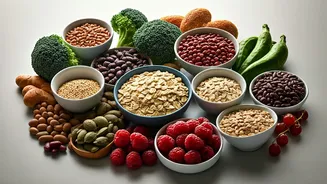
The single biggest advantage of whole fruit is fibre. When you juice a fruit, you strip away almost all of this dietary superstar. Think about it: it takes about three to four oranges to make one small glass of juice, but you'd likely feel quite full after eating just one or two whole oranges. That's fibre at work. This indigestible carbohydrate does several incredible things. First, it slows down the absorption of sugar, preventing those dramatic blood sugar spikes. Second, it promotes a healthy gut microbiome by feeding the good bacteria in your digestive system. Third, it adds bulk to your diet, which helps with regular bowel movements and prevents constipation. By choosing the whole fruit, you’re not just avoiding a sugar rush; you're actively consuming a nutrient that is crucial for digestive health and metabolic balance.
The Fullness Factor
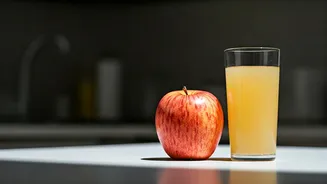
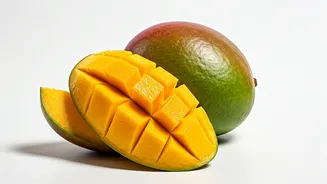
Calories from liquids simply don't satisfy our hunger in the same way that calories from solid foods do. This is known as the satiety effect. Chewing a crunchy apple or a juicy mango sends signals to your brain that you are eating, which helps you register fullness. The fibre and water content in the whole fruit also fill up your stomach, making you feel satisfied for longer. A glass of juice, however, can be gulped down in seconds. It provides a concentrated dose of calories and sugar without triggering those same satiety signals. The result? You might still feel hungry and end up consuming more calories overall. This is why sugary drinks are so often linked to weight gain—they add to your daily calorie count without making you feel any less hungry.
The Complete Nutritional Package
A whole fruit isn't just sugar and fibre; it’s a complex package of vitamins, minerals, and powerful plant compounds called phytonutrients. Many of these beneficial compounds, especially antioxidants, are bound to the fibrous parts of the fruit, including the pulp and skin. The process of juicing and filtering often removes or degrades these delicate nutrients. For example, the white pith of an orange is rich in flavonoids, which have antioxidant and anti-inflammatory properties, but it’s almost always discarded in the juicing process. When you eat the entire fruit, you get the full, synergistic benefit of all its components working together as nature intended. It’s a holistic dose of nutrition that a processed drink, no matter how 'natural' it claims to be, can never fully replicate.