





Beyond the Pan-Indian Festival
For decades, the national retail calendar was anchored by a few major festivals. But today, the festive season has stretched, with celebrations like Kerala's Onam, Tamil Nadu's Pongal, and Bihar's Chhath Puja carving out their own significant economic
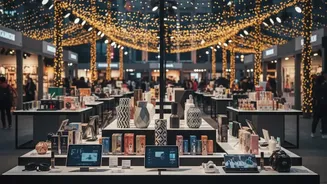
windows. Brands and e-commerce platforms have taken notice, realizing that India’s festive calendar is not a single event but a continuous cycle of regional opportunities. Quick-commerce platforms now create dedicated digital storefronts for everything from Ganesh Chaturthi to Teej, changing their banners and product selections based on the customer's pin code. This has turned what were once localized traditions into nationwide shopping occasions.
The Nostalgia of the Urban Migrant
At the heart of this trend is the urban migrant. As millions of Indians move to cities for work and education, they carry their cultural roots with them. Celebrating a regional festival becomes an important way to reconnect with their identity and community, often far from home. This longing for connection and tradition creates a powerful emotional driver for spending. Shopping for specific festive attire, preparing traditional foods, or buying gifts becomes a tangible way to participate in the culture they grew up with. These celebrations, though adapted for city life, help forge a sense of belonging in otherwise anonymous urban environments.
Retailers Tapping into Cultural Identity
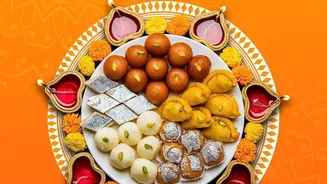
Savvy brands are no longer using a one-size-fits-all approach to festive marketing. They are creating highly localized campaigns that speak directly to specific communities. This involves using regional languages, featuring local celebrities and influencers, and curating products that are culturally relevant. For example, during Onam, e-commerce sites heavily promote traditional sarees and jewellery to Malayali customers globally. Quick-commerce apps stock their local dark stores with festival-specific items, from modaks for Ganesh Chaturthi to vrat-friendly snacks for Navratri. By aligning with these cultural moments, brands build a stronger emotional connection with consumers, turning transactions into rituals.
The Social Media Multiplier
Social media platforms act as a massive amplifier for these celebrations. When urban millennials and Gen Z see friends and influencers sharing their Onam sadhya or Bihu preparations online, it creates a powerful sense of festive FOMO (fear of missing out). This digital participation encourages others to celebrate, and shopping is often the first step. Brands fuel this by encouraging user-generated content, running contests for the best festive decor, and collaborating with creators who reflect authentic cultural values. This cycle of sharing and participating transforms personal celebrations into community-wide trends, further driving consumer interest and spending.
A New, Hybrid Festive Culture
What's emerging is a unique, hybrid form of celebration that blends tradition with urban convenience. A family in Bengaluru might order a pre-prepared Onam sadhya online, or a group of friends in Delhi might buy matching outfits from a fast-fashion brand for a Durga Puja pandal visit. While some rituals may be simplified due to constraints of city life, the spirit of the festival is finding new and vibrant expression. These celebrations are not just about preserving the past; they are about creating new traditions that reflect the reality of modern, multicultural India. It’s a sign of a culture that is not static, but constantly evolving and finding new ways to assert its diverse identity.