





What Are CAFE Norms?
CAFE stands for Corporate Average Fuel Economy. Think of it not as a rule for a single car, but as a report card for a carmaker's entire yearly sales. Instead of every model having to meet a specific mileage, the government calculates the average fuel
consumption across all the vehicles a company sells in India, from small hatchbacks to large SUVs. If a manufacturer sells many fuel-guzzling models, it must balance them out by selling a good number of highly efficient ones, like hybrids or EVs, to meet its overall target. The goal is to reduce the country's overall fuel consumption and CO2 emissions.
The Big Jump to CAFE-III
India already has CAFE-II norms, but the third phase, starting in financial year 2027-28, represents a significant leap. The standards will get progressively stricter each year until March 2032. For a manufacturer with an average fleet weight, the target will tighten from about 94.8 g of CO2/km in 2028 to just 78.9 g/km by 2032 — a nearly 17% improvement. This means automakers can no longer rely on minor tweaks; they need a clear strategy to make their entire lineup more efficient.
The Technology Toolkit
So, how will carmakers meet these tough new targets? The answer lies in technology. The CAFE-III framework specifically incentivises the use of various fuel-saving features. Expect to see a lot more cars equipped with mild-hybrid systems, which use a small electric motor to assist the engine and enable features like automatic start-stop, where the engine shuts off at a red light to save fuel. Other technologies that will become more common include regenerative braking (which captures energy when you slow down), transmissions with more gears (like 6-speed gearboxes), and even more efficient air-conditioning systems. Automakers can claim credits for each of these technologies, making them an attractive way to improve their fleet average.
The Rise of Hybrids and EVs
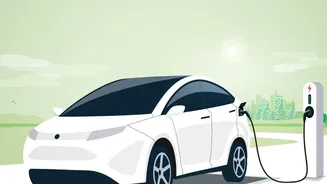
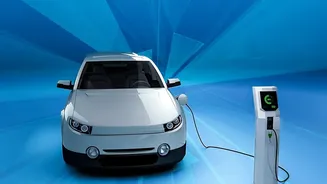
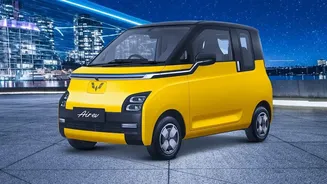
The single biggest push from CAFE-III is towards electrification. The rules provide powerful incentives, or 'super-credits', for selling cleaner vehicles. A battery electric vehicle (EV) gets a 3x multiplier, meaning every EV sold counts as three vehicles in the compliance calculation. This gives manufacturers a massive mathematical advantage for selling EVs. Strong hybrids, which can run on electric power for short distances, also get a significant 1.6x multiplier. This structure makes it almost certain that car companies will accelerate their launch plans for new hybrid and electric models in India to help balance the emissions from their popular petrol and diesel vehicles.
What This Means for Car Buyers
For the average car buyer, these changes will unfold over the next few years. The most immediate impact will likely be on vehicle price, as the new technologies and research required will add to manufacturing costs. However, this will be balanced by long-term savings on fuel, as the new cars will be significantly more efficient. You can expect to see a wider variety of hybrid and EV options across different price points. Technologies that are currently seen as premium features, like start-stop systems and regenerative braking, are likely to become standard fitment even in more affordable cars as manufacturers race to meet their targets.