

More Room to Breathe
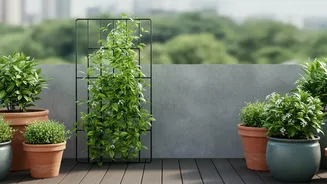
Proper spacing is critical for promoting good air circulation around your plants. When plants are packed too tightly, the air between them becomes stagnant and humid. This creates a perfect breeding ground for fungal and bacterial diseases like powdery
mildew. Leaves that remain wet for extended periods after rain or watering are much more susceptible to infection. By ensuring there's enough room between plants, you allow breezes to flow through, drying the foliage faster and significantly reducing the risk of disease outbreaks. Think of it as giving each plant its own personal space to stay healthy and dry. This simple preventative measure can save you from battling widespread plant diseases later in the season.
Reducing the Competition for Growth
Beneath the soil and above it, an invisible battle for resources is constantly being waged. When seeds are sown too close together, they are forced to compete for the essentials: sunlight, water, and soil nutrients. Overcrowded plants will often grow tall and spindly as they stretch to find sunlight, resulting in weak, fragile stems. Below ground, their root systems become tangled and restricted, limiting their ability to absorb the water and nutrients needed for robust growth. This intense competition can lead to stunted plants, lower-quality produce, and reduced overall yields. For example, carrots that are too close will become twisted and small, while tomato plants may produce fewer, smaller fruits. Giving each plant adequate space ensures it has access to the resources it needs to grow strong and productive.
Planning for Easier Access
A well-spaced garden isn't just healthier for the plants; it's also much easier for the gardener to manage. When you leave adequate room between rows and individual plants, you create clear pathways for yourself. This makes essential tasks like weeding, watering, and inspecting for pests far more manageable. You can move through your garden without trampling delicate stems or compacting the soil around root systems. Furthermore, when it's time to harvest, good spacing makes all the difference. You can easily see and reach the ripe vegetables without damaging the neighboring plants. Trying to harvest a pumpkin or pick tomatoes from a dense, tangled patch is a frustrating experience that can be avoided with a little foresight during planting. Planning for access from the very beginning saves you time and effort throughout the entire growing season.
How to Get Spacing Right
So, how much space is enough? The answer depends entirely on the plant's mature size. A sprawling pumpkin vine needs significantly more room than an upright onion plant. Your single best resource is the seed packet itself, which provides specific spacing recommendations for both the distance between plants in a row and the distance between the rows themselves. As a general rule of thumb, imagine the plant at its full size and provide enough room to accommodate that. For seedlings, you may need to 'thin' them out by removing weaker ones to ensure the strongest have room to flourish. While it can feel counterintuitive to pull out healthy-looking seedlings, this culling process is vital for preventing the negative effects of overcrowding and ensuring a bountiful harvest.