









Beyond Textbooks and Tree Planting
For many of us, environmental education in school was limited to chapters on the water cycle, diagrams of different biomes, or an annual tree-planting drive. While well-intentioned, this approach is no longer sufficient for the world we live in. Today’s
climate crisis is not a distant, abstract problem; it is a lived reality shaping our agriculture, our cities, and our health. Effective climate education, therefore, must go beyond memorising facts. It needs to be an interdisciplinary subject that connects the dots between science, economics, social justice, and civics. It must teach students *systems thinking*—the ability to see how their local environment is connected to global supply chains, how policy decisions impact carbon emissions, and how individual choices contribute to a collective outcome.
From Eco-Anxiety to Empowerment
Constant exposure to news of climate disasters—floods in Assam, droughts in Maharashtra, cyclones on the east coast—can be overwhelming, especially for young minds. This can lead to “eco-anxiety,” a feeling of helplessness and fear about the future. The antidote to this anxiety is not ignorance, but agency. This is where modern climate education pivots from being a lesson in doom to a source of empowerment. It moves the focus from problems to solutions. It encourages students to engage in project-based learning, like conducting water audits in their schools, designing waste-segregation systems for their communities, or learning about traditional farming techniques that are inherently sustainable. By equipping them with practical skills and showing them that change is possible at a local level, we transform fear into constructive action.
The Indian Context and Its Challenges
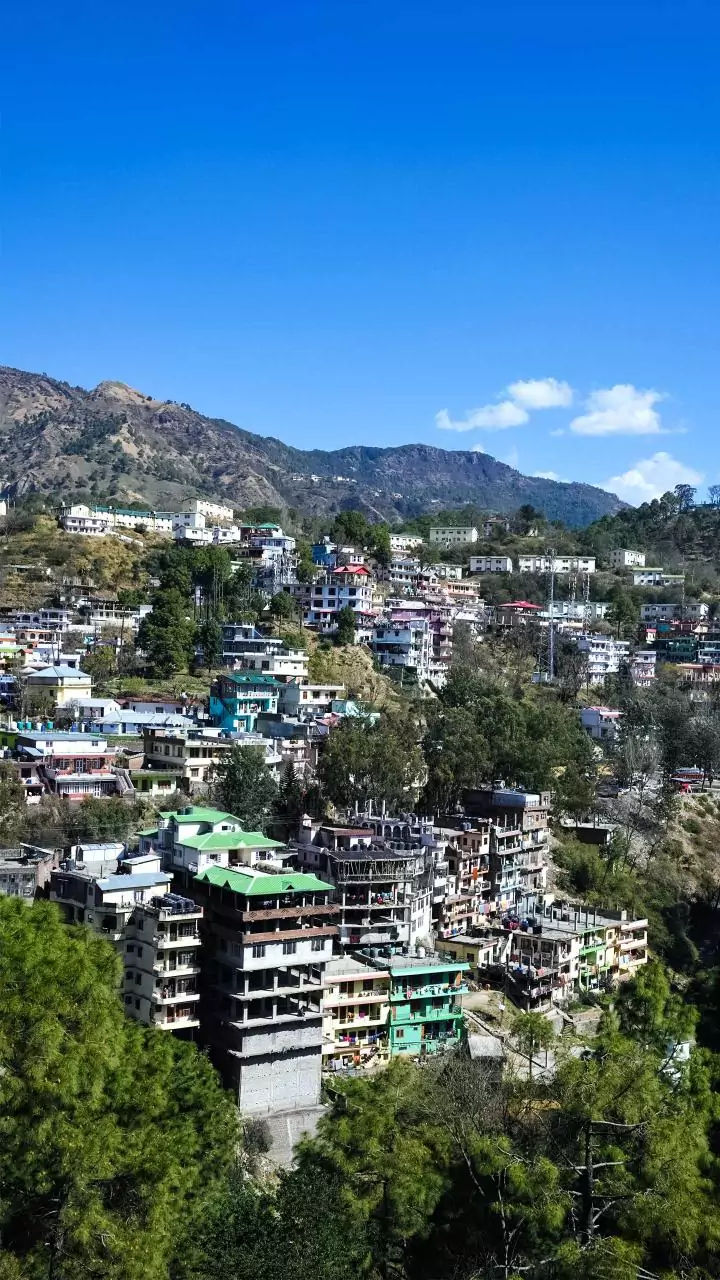
With its vast coastline, dependence on agriculture, and densely populated cities, India is uniquely vulnerable to the impacts of climate change. Recognising this, the National Education Policy (NEP) 2020 has integrated environmental awareness and sensitivity into the curriculum. This is a crucial step forward. However, the real challenge lies in implementation. Are our teachers equipped with the training and resources to teach this complex subject effectively? Is the curriculum nuanced enough to reflect India’s diverse regional challenges, or is it a one-size-fits-all model? True success will mean creating learning materials that are relevant, accessible in multiple languages, and that empower students to understand the specific climate risks and opportunities within their own communities, from the Himalayas to the backwaters of Kerala.
Building a Climate-Literate Generation
Climate education is not just for future scientists or environmental activists. It is a fundamental requirement for every citizen and professional in the 21st century. We need urban planners who can design cities that mitigate heat island effects, architects who use sustainable materials, and business leaders who understand the risks and opportunities of a green economy. We need farmers who can adapt to changing rainfall patterns and policymakers who can craft evidence-based climate policies. A climate-literate populace is also better equipped to participate in democracy, asking tougher questions of their elected officials and holding them accountable for climate action. It creates a groundswell of public demand for a more sustainable and resilient society.