




From Playground to Proving Ground
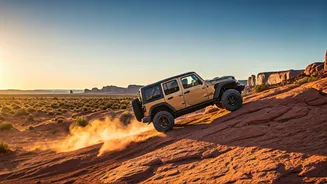
On a dry, sunny day, a familiar trail is a playground. The bumps are predictable, the grip is reliable, and the biggest challenge might be deciding where to stop for lunch. It’s a mechanical ballet of articulation and traction, a dance between driver
and machine. You learn the lines, memorise the tricky spots, and enjoy the scenery. But when the sky opens up, the trail you thought you knew disappears. The ground itself becomes an adversary. The familiar path transforms into a dynamic, unpredictable puzzle where every decision matters. This is where a casual drive becomes a true test of nerve, skill, and equipment.
The Challenge of Mud
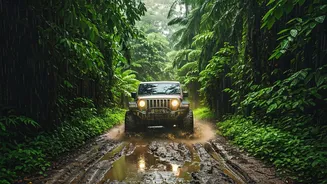
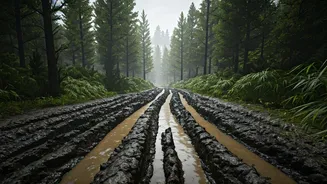
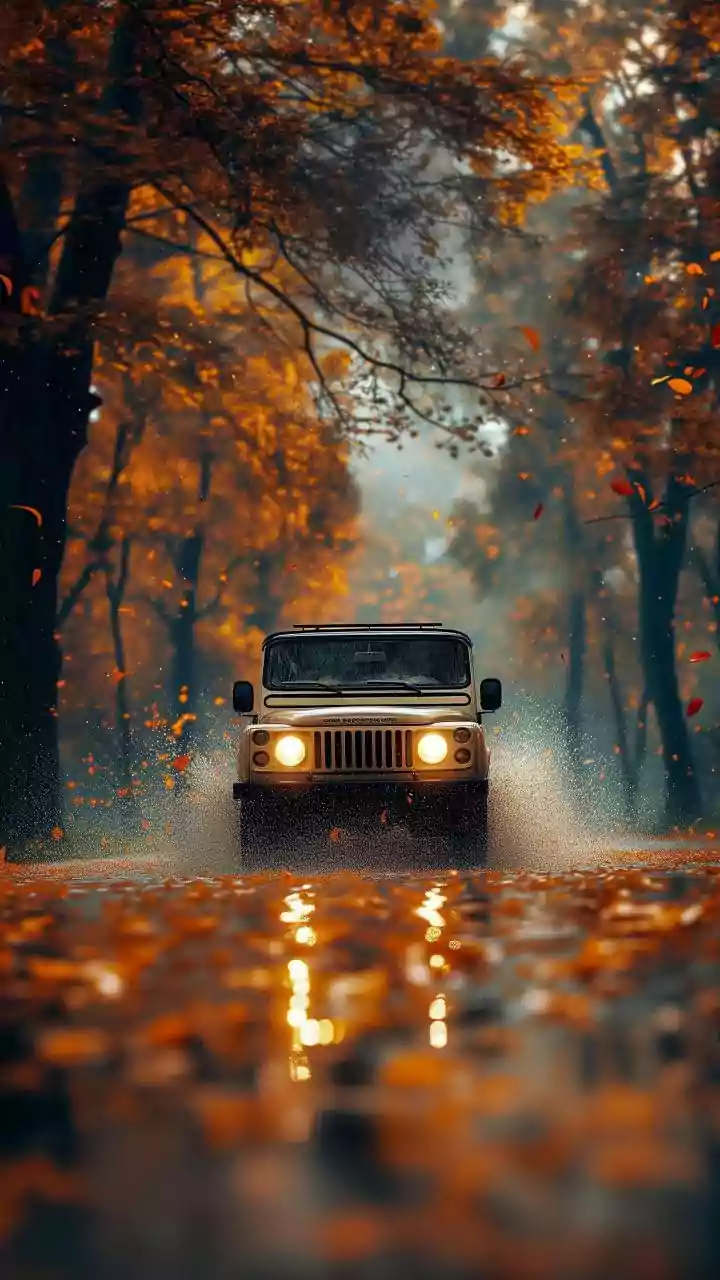
The first and most obvious change is the mud. It’s not just wet dirt; it's a traction-stealing monster. What was once a hard-packed surface becomes a slick, bottomless bog. The key to survival is momentum, but too much can lead to a loss of control. It’s a delicate balance. Drivers must learn to 'read' the mud—is it slick clay that will instantly clog tire treads, or a soupy mix you can power through? This is where equipment like aggressive mud-terrain tires and a healthy respect for the throttle come into play. Your Jeep is no longer just driving; it's swimming through the earth, and every metre gained feels like a victory.
When Rocks Get Slippery
Rock crawling is already a slow, technical discipline that demands precision. Adding rain is like asking a rock climber to scale a wall covered in grease. The friction that once allowed tires to grip and pull the vehicle up and over obstacles is gone. A tyre placed a centimetre off the perfect line can result in a sudden, jarring slide sideways. The role of the spotter—the guide on the ground directing the driver—becomes absolutely critical. They are the driver’s eyes, finding the last vestiges of grip on a seemingly impossible surface. Throttle control has to be surgical. It’s no longer about power, but finesse, using the vehicle’s low-range gearing to crawl at a snail's pace.
The Calculated Risk of Water Crossings
A dry creek bed is a feature. A rain-swollen river is a formidable barrier. Water crossings are one of the most dangerous parts of wet-weather wheeling. The first rule is to never cross fast-moving water and always check the depth. What looks like a shallow puddle can easily be deep enough to flood an engine’s air intake, causing catastrophic and immediate damage—a condition known as hydrolock. The proper technique is to create a gentle 'bow wave' in front of the vehicle by maintaining a slow and steady speed, pushing the water away from the engine bay. It’s a moment of pure, focused tension, ending with the relief of climbing the opposite bank.
Gear, Guts, and Good Company
Tackling these epic challenges is not just about a capable vehicle; it’s about preparation and people. A reliable winch, sturdy recovery points, and a set of traction boards are non-negotiable pieces of equipment. But the most important safety feature is the person in the Jeep next to you. Off-roading in treacherous conditions should never be a solo activity. The camaraderie of a trail run is magnified by adversity. When one Jeep gets stuck, the others stop. Ropes are unfurled, plans are made, and the collective works to free the stranded vehicle. It’s a shared struggle that builds deep bonds, turning a group of drivers into a team.