



The Other Daily Brew
For generations, households in South India, particularly in states like Kerala and Tamil Nadu, have started their days or sought comfort not just with tea or coffee, but with a variety of herbal decoctions. These are not merely flavoured waters; they
are complex, purposeful beverages known by names like 'kashayam' or simply referred to by their main ingredients, such as 'chukku vellam' (dry ginger water). Often served warm, these brews are an integral part of daily life, consumed for everything from soothing a sore throat to aiding digestion after a heavy meal. Unlike sugary, processed drinks, these herbal infusions are rooted in a philosophy of gentle, daily wellness, using common kitchen spices and local herbs to create drinks that comfort and balance the body.
Kashayam: A Tradition of Wellness
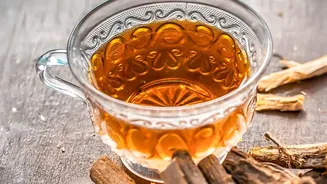
The term 'kashayam' refers to a water-based decoction of one or more herbs, a cornerstone of Ayurvedic tradition. It's a specific process where dried, coarse-ground herbs are boiled in water until the liquid is reduced, concentrating their water-soluble beneficial compounds. This method is believed to make the herbs' properties highly bioavailable, allowing the body to absorb them quickly and easily. While some kashayams are prescribed by Ayurvedic practitioners for specific ailments, many simpler versions are common household remedies. These everyday kashayams often feature ingredients like tulsi (holy basil), dry ginger, black pepper, and coriander seeds to support digestion and immunity.
Popular Brews and Their Benefits
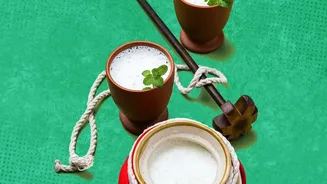
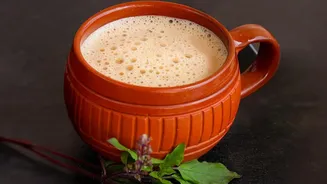
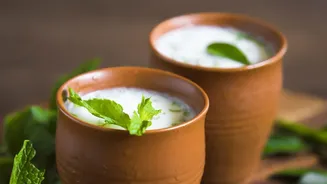
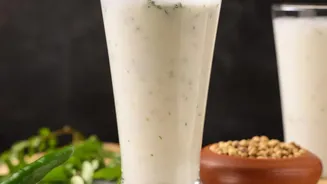
Two of the most popular and accessible brews are Sukku Malli Coffee and Panakam. 'Sukku Malli Coffee' is actually a misnomer, as it contains no coffee beans. Its primary ingredients are dry ginger (sukku) and coriander seeds (malli), often blended with black pepper and other spices. Traditionally, this spicy, aromatic drink is sweetened with jaggery or palm sugar and is cherished as a remedy for colds, coughs, and indigestion. Panakam is another traditional favourite, especially during festivals like Ram Navami and the hot summer months. It's a sweet and spicy drink made from jaggery dissolved in water, spiced with dry ginger, crushed black pepper, and cardamom, with a hint of lemon juice. Traditionally valued as a natural electrolyte drink, it cools the body, aids digestion, and provides a gentle, caffeine-free energy boost.
The Wisdom of Simplicity
The beauty of these herbal brews lies in their simplicity and the principle of balance. Many are made with ingredients readily available in most Indian kitchens. In Kerala, for example, it is common practice in homes and restaurants to serve water infused with herbs like pathimugam (sappanwood), which gives the water a distinct pink hue and a mild, earthy taste. Other infusions might use cumin (jeerakam) or coriander seeds (malli) to create subtly flavoured waters that are considered more palatable and digestive than plain water. These practices are not about chasing dramatic cures but about integrating a subtle layer of wellness into the daily routine, supporting the body’s natural functions through simple, plant-based means.
Finding a Place in Modern Life
As more people seek alternatives to caffeinated and high-sugar beverages, these traditional South Indian herbal drinks are finding a new audience. They align perfectly with the modern focus on plant-based nutrition, gut health, and mindful consumption. The ingredients—ginger, turmeric, coriander, pepper—are already celebrated globally for their anti-inflammatory and digestive properties. Packaged sukku malli powders are now readily available, and recipes for panakam and other brews are being shared widely online, allowing anyone to reconnect with this heritage. They offer a way to hydrate that is both flavourful and functional, providing a comforting ritual that nourishes from within.