





The End of the Ten-Step Routine
For years, the philosophy in skincare was 'more is more'. Influencers showcased bathroom shelves overflowing with serums, toners, and essences, promoting complex ten-step routines as the holy grail for perfect skin. But the tide is turning. A growing
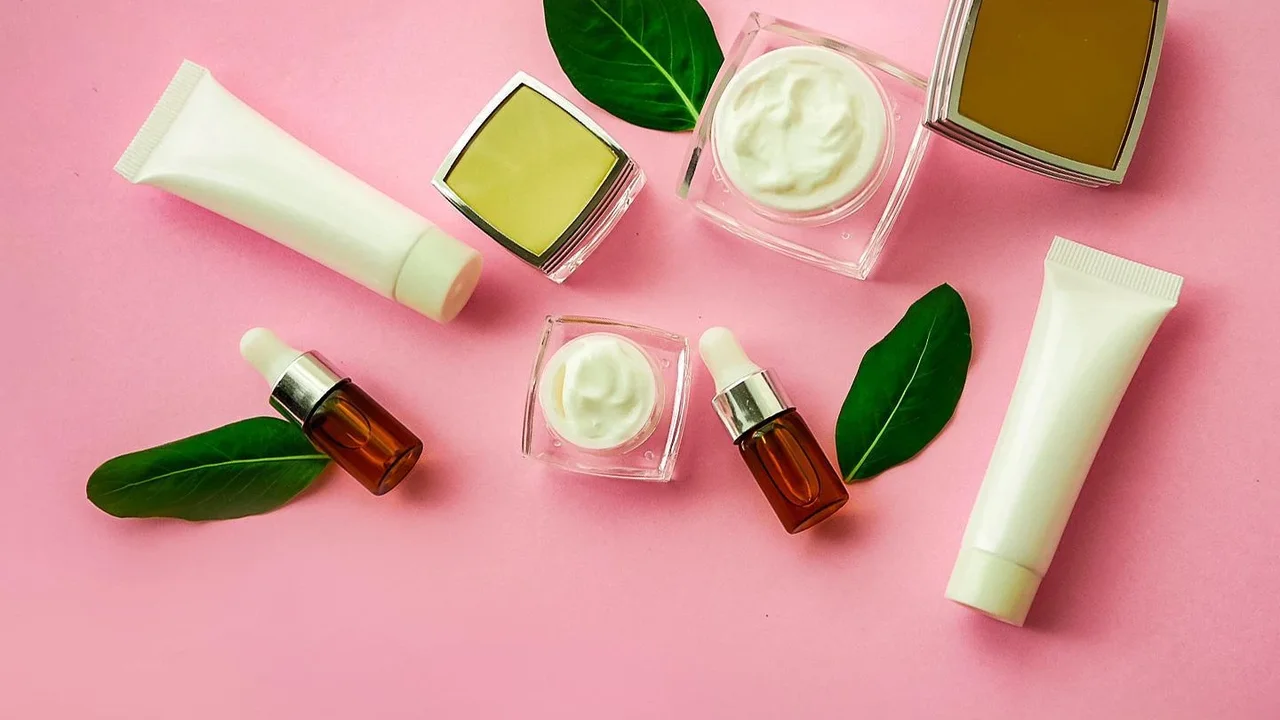
number of consumers, particularly in India, are experiencing 'routine fatigue' and its consequences. Dermatologists report a rise in sensitised skin—not because people have naturally sensitive skin, but because of irritation and barrier damage caused by layering too many potent, and often incompatible, products. This overload, combined with the stress of modern life and environmental factors like pollution, has led to a powerful counter-movement: skinimalism. The philosophy is simple: do more with less by focusing on a few effective products that support long-term skin health instead of chasing fleeting trends.
Why Familiarity Breeds Trust
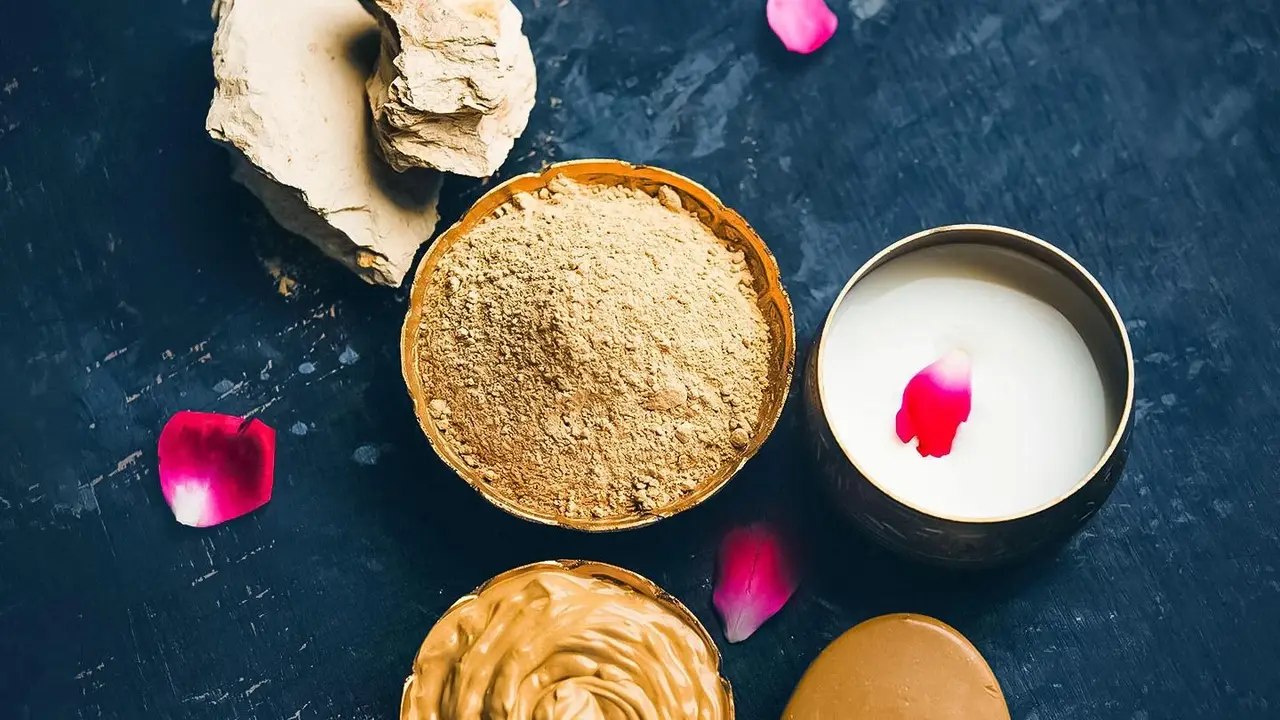
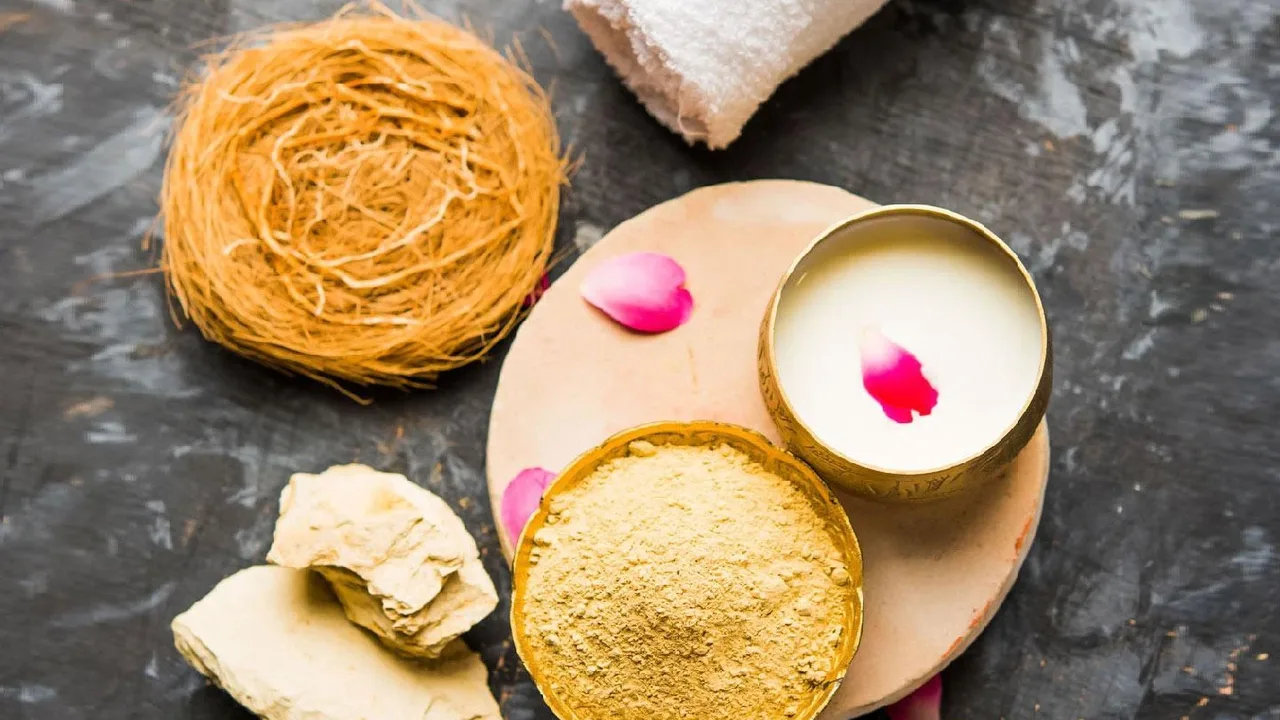
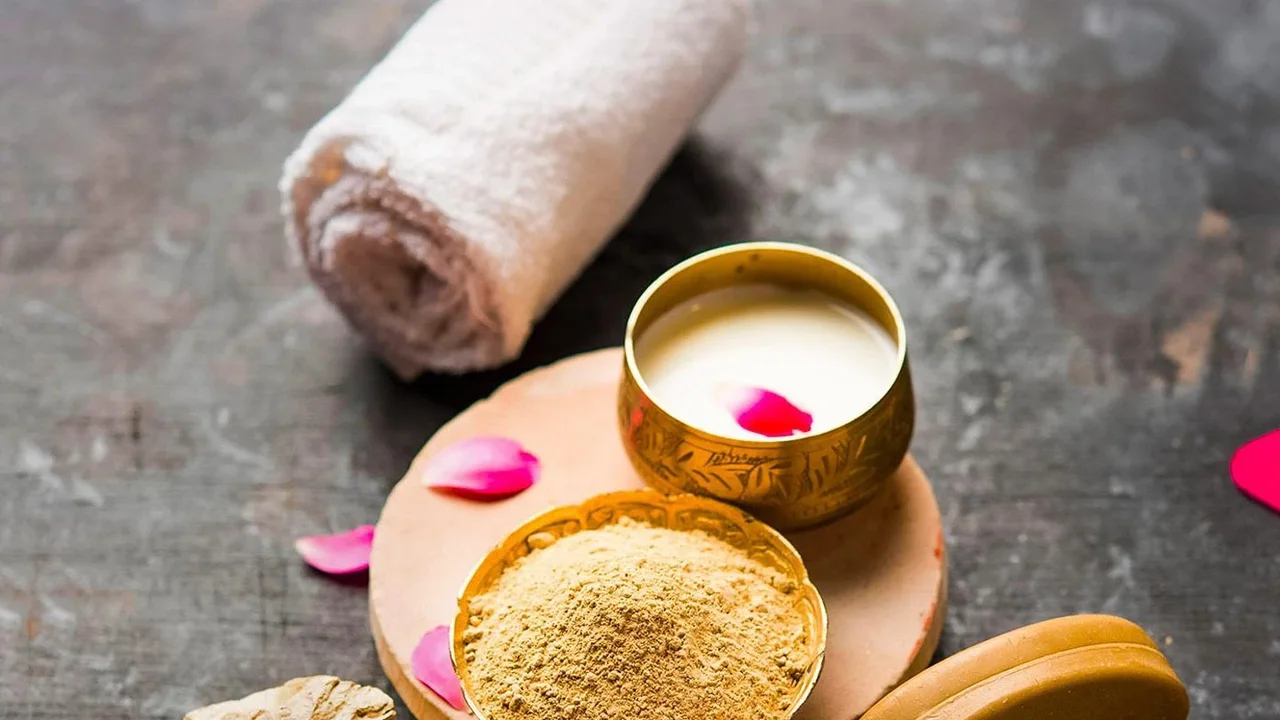
So, what are shoppers reaching for instead? Ingredients they recognise. This pivot is rooted in a deep psychological need for transparency and trust. In an era of information overload, a shorter, understandable ingredient list feels safer and more honest. Consumers are becoming 'skintellectuals', using their phones to research ingredients before they buy, armed with a healthy scepticism of vague marketing claims. For Indian consumers, this trend connects deeply with a cultural heritage that has long trusted the power of nature. The wisdom of grandmothers who used haldi (turmeric), chandan (sandalwood), and neem is experiencing a modern resurgence. These time-tested ingredients are no longer just for home remedies; they are the hero ingredients in sophisticated new formulations from both luxury Ayurvedic brands and mainstream labels.
From Kitchen Staples to Skincare Stars
The list of familiar ingredients gaining traction is a blend of traditional Indian botanicals and globally recognised skincare basics. Turmeric, long celebrated for its anti-inflammatory properties, is now a star in masks and serums designed to give a healthy glow. Neem, nature's antiseptic, is a go-to for acne-prone skin, while sandalwood and rose extract are prized for their calming and toning effects. At the same time, certain scientifically-backed ingredients have become so widespread and understood that they now feel just as 'familiar'. Hyaluronic acid for hydration, Niacinamide for texture and pores, and Vitamin C for brightness are staples that educated consumers actively seek out. The key is that their function is clear and their efficacy is well-documented, removing the guesswork for the shopper.
How the Beauty Industry Is Adapting
Brands are listening closely. The demand for transparency is no longer a niche preference but a market driver. This has fueled the 'clean beauty' movement, which prioritises non-toxic formulas and clear, honest labelling. Many companies are now committed to full ingredient transparency, sometimes even using QR codes on packaging to provide detailed information about sourcing and purpose. The focus has shifted from promising a single 'miracle' product to building trust through education and simplicity. This includes not just what's in the bottle, but also ethical sourcing and sustainable packaging, as consumers increasingly want their purchases to align with their values. This shift signals a new era where brand loyalty is earned not through hype, but through honesty and accountability.