





The Urban Dilemma of Space and Stuff
Life in a modern high-rise apartment comes with many perks, but ample storage space is rarely one of them. For many urban families in cities like Mumbai, Bengaluru, and Delhi NCR, every square foot is precious. This creates a classic conflict: the occasional
need for bulky items like a step ladder, a pressure washer, or a power drill clashes with the lack of a garage or storeroom to keep them. Traditionally, the solution was to either call a professional for a minor job or buy a tool that ends up gathering dust in a cramped cupboard. This model is not just inefficient and expensive; it’s also out of step with a growing desire for a simpler, less cluttered lifestyle. The rise of a do-it-yourself (DIY) culture, fueled by online tutorials and a desire to personalize living spaces, has only magnified this problem. More people want to handle small projects themselves, but owning the entire toolkit isn't practical.
How a Community Tool Library Works
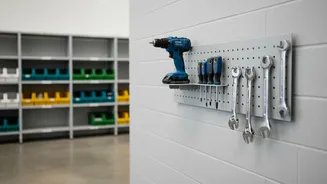
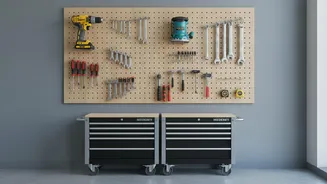
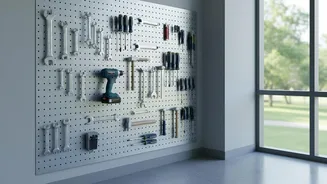
A tool library functions much like a traditional book library, but for hardware. Instead of novels, members can borrow everything from basic hammers and screwdrivers to specialized equipment like saws, sanders, and even gardening tools. In a residential society, this is typically a dedicated, secure room or a set of cabinets managed by the residents' association or a third-party service. The process is simple: a resident checks out a tool, uses it for their project, and returns it for the next person to use. Many modern systems are even app-based, allowing residents to see what's available, reserve an item, and get notified when it’s due for return. Some models are free amenities included in maintenance fees, while others might charge a small annual membership to cover tool maintenance and replacement, which is still a fraction of the cost of ownership. This model is an extension of the sharing residents already do with facilities like gyms and pools, making it a natural fit for community living.
The Unbeatable Economics of Borrowing
The most immediate and compelling benefit of a tool library is the financial savings. Consider the cost of a decent quality power drill, a high-pressure washer, and a sturdy ladder; purchasing these items could easily run into thousands of rupees. If each is only used a couple of times a year, the return on investment is poor. A tool library eliminates this expense entirely. For a small, often nominal, membership fee, residents gain access to a wide array of well-maintained, often professional-grade tools they would never justify buying for themselves. This democratizes home improvement, empowering residents to undertake repairs and creative projects without a significant financial barrier. It’s a prime example of the sharing economy at its best, where access triumphs over ownership, making life more affordable and efficient.
Building Community, One Project at a Time
Beyond the practicalities of cost and space, tool libraries serve a powerful social function. High-rise buildings can sometimes feel anonymous, with neighbours living side-by-side for years without interacting. A shared resource like a tool library creates natural opportunities for connection. When you borrow a tool, you might bump into a neighbour and strike up a conversation. These spaces can become hubs for skill-sharing, where an experienced DIY-er offers tips to a novice, or residents team up on a larger community beautification project. Some communities even host 'Fix-It Fairs' or repair workshops centered around the library. This fosters a sense of collective ownership and mutual support, transforming a collection of individual apartments into a cohesive and collaborative community.
A Smart Step Towards Sustainable Living
The rise of tool libraries also aligns perfectly with a growing environmental consciousness in India. The real estate sector is increasingly focused on sustainability, from green building materials to resource conservation. A tool library is a grassroots embodiment of the circular economy, which emphasizes reusing and sharing to minimize waste and consumption. Instead of a hundred households each owning a rarely used drill, one shared drill can serve the entire community. This dramatically reduces the demand for new manufacturing, cuts down on packaging and transport emissions, and prevents old tools from ending up in landfills. By choosing to borrow rather than buy, residents actively participate in a more sustainable model of consumption, reducing their collective carbon footprint.