




A Drier-Than-Normal July Ahead
The India Meteorological Department (IMD) has forecast a challenging month ahead, with rainfall for July 2026 expected to be below normal for the country as a whole. Precipitation is likely to be less than 94% of the Long Period Average (LPA), a crucial
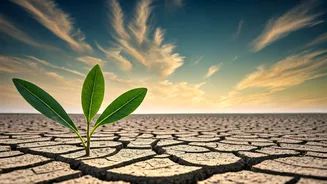
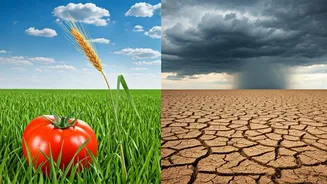
benchmark for the season. This comes after one of the driest Junes in over a century, which saw a rainfall deficit of around 39-40%. The primary driver behind this subdued monsoon is the strengthening of El Niño conditions over the Pacific Ocean, a climate pattern known to weaken India's monsoon rains. While most of the country, including large swathes of central and western India, is likely to see deficient rain, some pockets in the northwest, northeast, and parts of the eastern peninsula may receive normal to above-normal rainfall.
Double Trouble: Less Rain, More Heat
Compounding the issue of low rainfall, temperatures are expected to remain a major concern. The IMD predicts that both maximum and minimum temperatures in July are likely to be above normal for most of the country. This combination of less rain and higher-than-average heat creates a dangerous scenario. The persistent heat and humidity pose significant health risks, including heat stress and heat exhaustion, especially for vulnerable populations like the elderly, children, and outdoor workers. This dual threat—the 'silent killer' of humid heat during dry spells and the risk of intense downpours in areas that do get rain—is becoming a defining feature of India's changing weather patterns.
Anxiety in the Fields
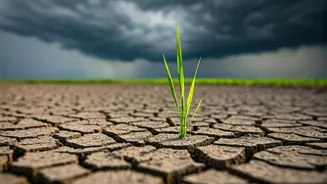
For India's agricultural sector, a weak July monsoon is a source of immense anxiety. The month is critical for the sowing of Kharif crops such as rice, cotton, and soybeans, which are heavily dependent on monsoon rains. The significant rainfall deficit in June has already led to a sharp decline in the area sown compared to last year. While increased irrigation coverage over the years has provided a buffer, nearly half of India's farmland still lacks irrigation, making it vulnerable. A prolonged dry spell could impact crop yields, threaten food security, and reduce farm incomes, which in turn affects rural demand for goods from tractors to everyday consumer products.
Economic and Urban Challenges
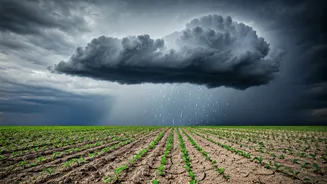
The consequences of a weak monsoon extend far beyond the farm. In urban centres, deficient rainfall puts a strain on water supply, with reservoir levels being a key concern for drinking water and hydropower generation. Economically, poor agricultural output can fuel food inflation, a major concern for households and for the Reserve Bank of India. While the government has pointed to structural reforms and large foodgrain stocks as buffers that make the economy more resilient, a poor monsoon still has the potential to dampen overall economic growth. The pattern of rainfall is also changing, with an increase in extreme events—long dry spells punctuated by intense, heavy downpours that can lead to urban flooding, as seen in previous years.