





A Monumental Shift in Space Policy
For decades, India's journey into space was almost exclusively driven by the government-run ISRO. While private companies played a role, it was primarily as suppliers of components and subsystems. This model established India as a formidable space power,
but a monumental policy shift in 2020 opened the final frontier to private enterprise in an unprecedented way. To facilitate this, the government established the Indian National Space Promotion and Authorisation Centre (IN-SPACe). Functioning as a single-window agency, IN-SPACe is tasked with promoting, authorising, and supervising the activities of non-governmental entities (NGEs), effectively acting as the crucial interface between ISRO and the burgeoning private sector. This move was designed to unlock the country's vast untapped potential and allow ISRO to focus more on core research, deep space exploration, and strategic missions, while private players handle more routine and commercial activities.
The Rise of a New Space Generation
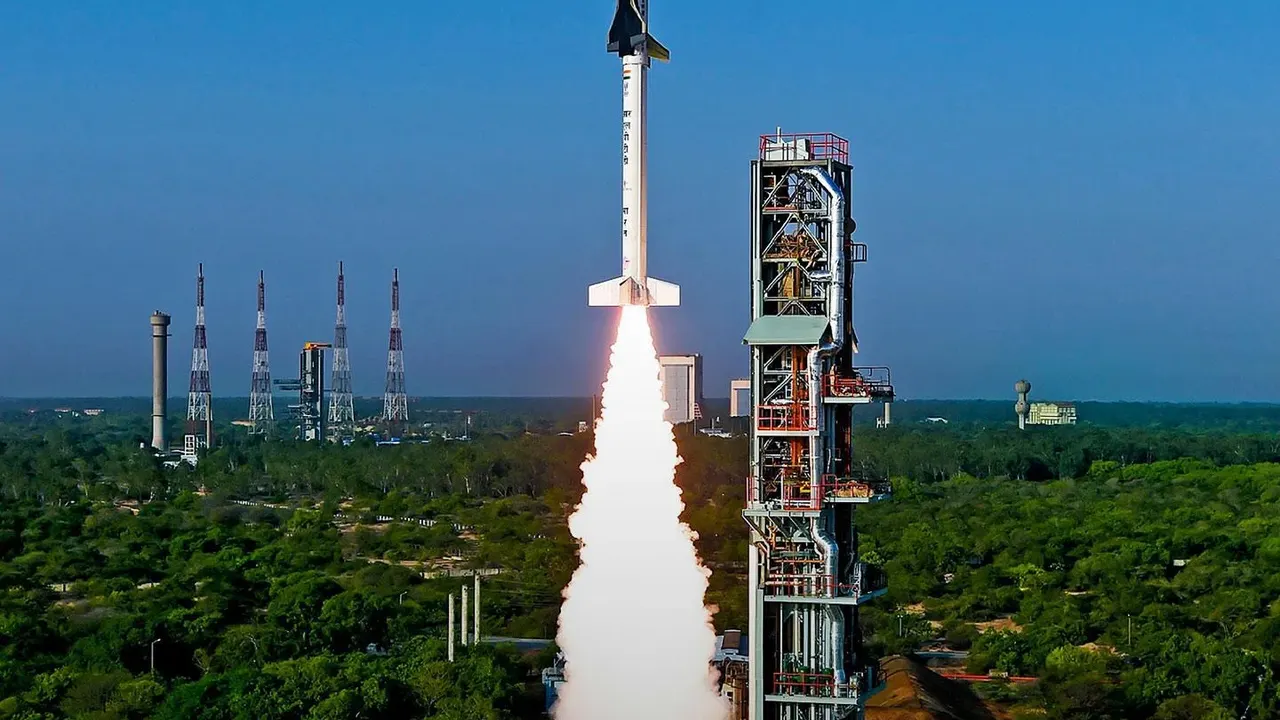
The policy change has catalyzed a wave of innovation, giving rise to dynamic startups that are now making headlines. Companies like Skyroot Aerospace and Agnikul Cosmos are at the forefront of developing India's private launch vehicle capabilities. Skyroot made history by launching India's first privately developed rocket, Vikram-S, while Agnikul has established its own launchpad and mission control centre with ISRO's support. This support is extensive, with ISRO providing expertise on everything from site selection and safety planning to supplying critical hardware like flight termination systems. This symbiotic relationship allows startups to leverage ISRO's decades of experience and world-class infrastructure, dramatically lowering entry barriers. The goal is to offload a significant portion of routine launches to the private sector, enabling faster turnaround times and fostering a competitive launch market.
More Than Just Launch Vehicles
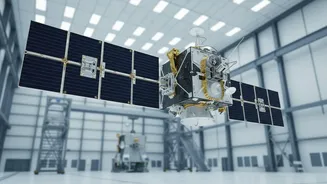
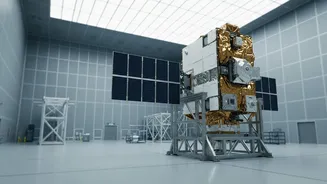
The growing ecosystem extends far beyond rockets. Startups are innovating across the entire space value chain. Pixxel is developing a constellation of hyperspectral imaging satellites to provide valuable data for sectors like agriculture and environmental monitoring. Dhruva Space offers full-stack satellite solutions, from design and manufacturing to launch integration, and recently signed an MoU with ISRO's commercial arm, NewSpace India Limited (NSIL), to scale up the production of space-grade solar panels. NSIL, established in 2019, plays a key commercial role, marketing ISRO's technologies and procuring launch services. It facilitates Technology Transfer Agreements (TTAs) that allow private firms to commercialise ISRO-developed innovations, from special adhesives to satellite components, reducing import dependency and boosting domestic manufacturing.
A Symbiotic Partnership for National Growth
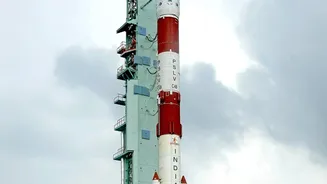
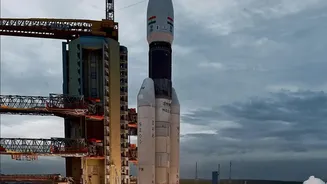
This collaboration is a clear win-win. For startups, access to ISRO's facilities, mentorship, and technology provides unparalleled credibility and accelerates their development. For ISRO, a robust private sector brings agility, innovation, and the industrial capacity needed to meet the growing demand for space-based services, a demand ISRO alone could not meet. This partnership is not just about commercial gain; it's a strategic imperative. By fostering a self-reliant industrial base for space technology, India is securing its sovereign capabilities and enhancing its posture in the global space economy. The government's vision is ambitious, projecting the Indian space economy to grow from around $9 billion to over $40 billion in the coming years, aiming to capture a much larger share of the global market. The successful collaborations with companies like Larsen & Toubro and HAL on major national missions like Chandrayaan and the manufacturing of PSLV rockets demonstrate that the public-private partnership model is already yielding powerful results.