


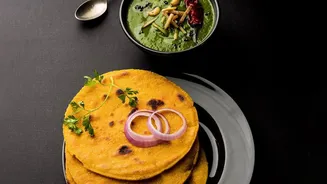
Sarson ka Saag & Makki di Roti
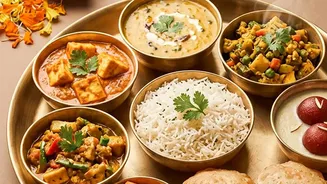
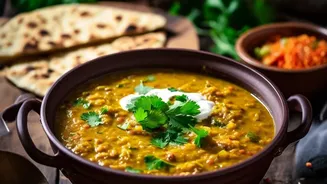
Nothing says winter in North India quite like a steaming bowl of Sarson ka Saag. This rustic Punjabi dish is made from mustard greens (sarson), often blended with other greens like spinach and bathua for a more balanced flavour. Traditionally slow-cooked
for hours to achieve a creamy, luscious texture, its slightly bitter taste is a hallmark of the season. The reason it's a winter classic is simple: mustard greens are at their peak freshness and flavour during these colder months. Rich in fibre, iron, and antioxidants, it’s a nutritional powerhouse that helps boost immunity during flu season.Modern Twist: While the traditional method is a labour of love, you don't need to spend all day at the stove. Using a pressure cooker can dramatically cut down the cooking time. You can also find pre-chopped greens in many markets to save on prep. Serve it with a dollop of white butter or ghee alongside Makki di Roti (cornmeal flatbread) for an authentic and soul-warming meal.
Gajar ka Halwa
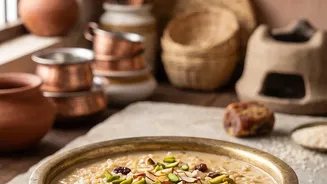
This is perhaps the most beloved winter dessert across the subcontinent. Gajar ka Halwa is a slow-cooked pudding made from grated carrots, milk, ghee, and sugar, often garnished with nuts and cardamom. The magic of this dish comes from the special winter carrots, often called 'Delhi carrots', which are sweeter, juicier, and have a vibrant red hue that gives the halwa its signature colour. Cooking carrots with milk and ghee not only creates a rich texture but also provides warmth and comfort, making it a perfect indulgence on a chilly evening.Modern Twist: If you're short on time, using condensed milk or khoya can speed up the process significantly, as it reduces the time needed to thicken the milk. For a vegan version, you can substitute milk with almond or oat milk and use a neutral vegetable oil or vegan butter instead of ghee. Enjoy it warm, perhaps with a scoop of vanilla ice cream for a contemporary touch.
Gond ke Laddu
These are not just sweets; they're edible balls of warmth and energy. Gond ke Laddu are made from 'gond' (edible gum), which is fried in ghee until it puffs up, then mixed with whole wheat flour, nuts, seeds, and jaggery or sugar. Gond is known in Ayurveda for its 'garam taseer' or warming properties, making these laddus a traditional remedy to combat the cold and keep the body insulated. They are incredibly nutrient-dense, providing sustained energy, strengthening bones, and boosting immunity—qualities especially beneficial during winter when we often feel sluggish.Modern Twist: While traditionally served as large laddus, you can roll the mixture into smaller, bite-sized 'energy balls' for a quick, on-the-go snack. They are a perfect pre-workout fuel or a healthy treat to have with your morning tea. You can also customize them with your favourite nuts and seeds like pumpkin or sunflower seeds for added nutrition.
Undhiyu
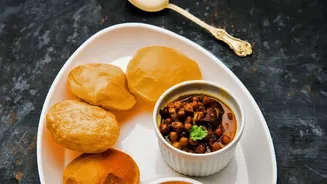
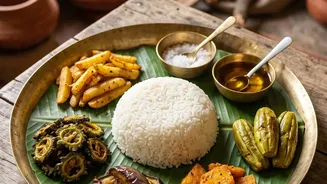
This Gujarati speciality is a glorious celebration of winter vegetables. Undhiyu is a one-pot dish where a variety of seasonal produce like surti papdi (hyacinth beans), purple yam, sweet potatoes, baby eggplants, and raw bananas are slow-cooked with methi muthiya (fenugreek dumplings) in a fragrant blend of spices. The name 'Undhiyu' comes from the Gujarati word 'undhu', meaning 'upside down', which refers to the traditional method of cooking the dish underground in sealed earthen pots. It’s a winter dish because all its key vegetables are harvested during this season.Modern Twist: The authentic recipe can be complex, involving multiple steps of frying and stuffing. A simpler, modern approach is to pressure-cook the vegetables together with the masala instead of frying them separately. This retains more nutrients and makes it a viable weeknight meal. Serve it hot with puris or rotis for a festive and hearty dinner.
Nihari
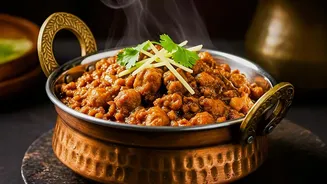
A rich, slow-cooked meat stew, Nihari is the ultimate comfort food for a cold winter morning. Originating in the kitchens of Mughal-era Delhi or Lucknow, the name comes from the Arabic word 'Nahar', meaning 'morning', as it was traditionally eaten for breakfast after morning prayers. Made with shank meat and a complex blend of up to 50 different spices, it is simmered for hours, often overnight, until the meat is fall-apart tender and the gravy is thick and aromatic. This protein-heavy dish was known to provide sustained energy for the day, making it ideal for the colder months.Modern Twist: The traditional 6-8 hour cooking process can be daunting. A pressure cooker or a slow cooker can work wonders, tenderizing the meat in a fraction of the time without compromising on flavour. Serve it garnished with julienned ginger, green chillies, and a squeeze of lemon to cut through the richness.
Panjiri
Panjiri is a loose, crumbly mixture of whole wheat flour roasted in ghee with generous amounts of nuts, seeds, and edible gum. More of a nutritional supplement than a dessert, Panjiri is a winter powerhouse known to generate heat in the body and boost immunity. It is packed with healthy fats, proteins, and fibre, providing a potent energy boost to combat winter lethargy. It is also traditionally given to new mothers to aid in postpartum recovery due to its nutrient-dense profile.Modern Twist: Instead of eating it by the spoonful, think of Panjiri as a superfood crumble. Sprinkle it over your morning porridge, yogurt, or a bowl of fruit for added texture and nutrition. You can also press it into a tray and cut it into bars for a healthy, homemade alternative to processed granola bars.
Til Patti / Chikki
This crisp, brittle candy made from sesame seeds (til) and jaggery (gud) is a ubiquitous winter snack, especially around festivals like Makar Sankranti. Both sesame and jaggery are considered warming foods in Ayurveda and are consumed in winter to keep the body warm and protected from seasonal ailments. Sesame seeds are a fantastic source of calcium, healthy fats, and minerals, while jaggery provides iron and a quick burst of energy. Together, they create a delicious and healthy treat.Modern Twist: Give the classic recipe an upgrade by adding other healthy ingredients like roasted peanuts, almonds, pumpkin seeds, or even puffed rice for extra crunch and nutritional value. Cutting them into small, uniform squares makes for easy storage and portion control. It's a perfect, guilt-free snack to satisfy your sweet cravings during the cold season.