


The Monsoon's Final Word
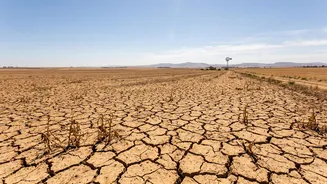
The four-month monsoon season, which provides a majority of India's annual rainfall, has been notably erratic in 2026. After a severely deficient June, rainfall recovered in July only to weaken again in August, leaving the cumulative seasonal rainfall below
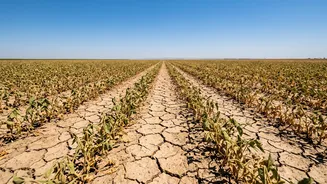
normal. The India Meteorological Department (IMD) has forecast below-normal rainfall for September for the country as a whole, citing the strengthening El Niño conditions in the Pacific Ocean. This final spell of rain is critical. It determines the fate of standing Kharif (monsoon season) crops, influences soil moisture for the upcoming Rabi (winter) sowing season, and replenishes reservoirs that are vital for irrigation and drinking water. While overall rainfall is predicted to be low, some parts of northwest, east, and northeast India might receive normal to above-normal rain, highlighting an uneven distribution that poses varied challenges across regions.
A Delicate Balance for Pulses
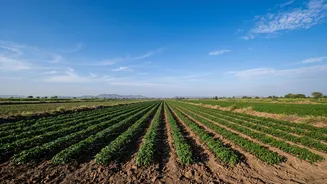
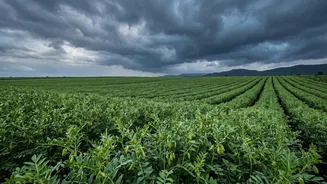
For pulses like tur (pigeon pea) and urad (black gram), September is a make-or-break month. Many of these Kharif crops are in their final grain-filling or maturation stage. At this point, heavy, continuous rain can be disastrous, leading to waterlogging, flower drop, and increased pest attacks, which can severely damage yields. Conversely, a sharp deficit in rain can also be harmful. Insufficient moisture can lead to shrivelled grains and lower output, stressing crops that are already contending with a patchy monsoon. Despite the erratic season, government data as of late August showed a slight increase in the total area sown with pulses compared to last year. However, this acreage increase does not guarantee a bumper crop. The final yield is now almost entirely dependent on how September's weather plays out across key growing regions in central and southern India.
The High Vulnerability of Vegetables
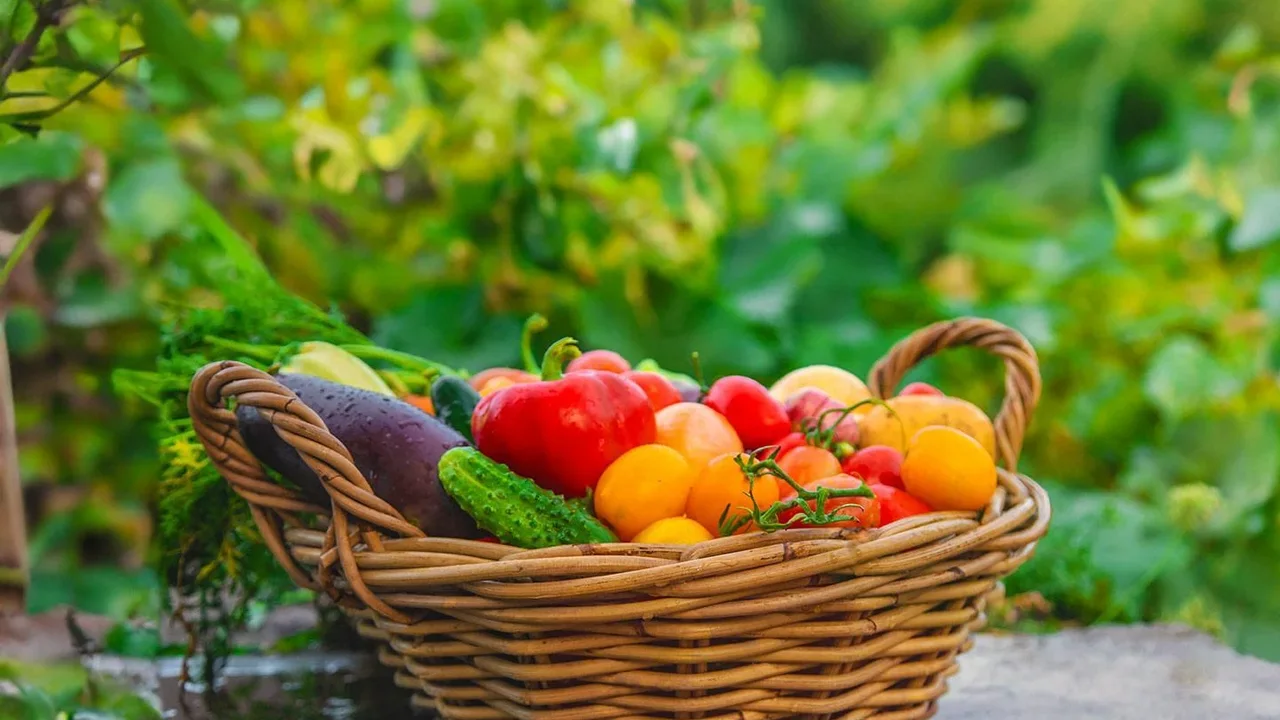
Vegetables, especially staples like tomatoes and onions, are highly sensitive to weather fluctuations. Unlike sturdy grains, most vegetable crops have a short cycle and are more susceptible to damage from both too much and too little rain. Excess rainfall can flood fields, ruining ready-to-harvest produce and disrupting supply chains by making transportation from farms to markets difficult. This often leads to sudden and sharp price spikes for consumers. On the other hand, a dry and hot September can reduce yields and affect the quality of the produce. Experts have flagged that another spell of weak rainfall could particularly hit vegetables, adding to food inflation concerns that have already been mounting. The prices of vegetables are often the first to react to disruptions in weather patterns, making them a key indicator of the broader impact on household expenses.
Ripple Effects on the Economy
The performance of the monsoon's final month has consequences that extend far beyond the farm gate. A poor harvest season for key crops like pulses and vegetables can stoke food inflation, a major concern for both the government and the Reserve Bank of India. Food prices have already been on an upward trend, and a weak end to the monsoon could exacerbate this. Furthermore, reduced agricultural output impacts farmers' incomes, which can dampen rural demand for goods and services, affecting the wider economy. The level of September rain also has a direct bearing on the upcoming Rabi season. Good late-monsoon showers recharge the soil with moisture, which is essential for the timely sowing of winter crops like wheat and chana (chickpea). A dry September could therefore cast a long shadow, affecting not just one but two cropping seasons.