






What's Behind the Sudden Surge?
For years, the protein supplement aisle has been a two-horse race, with whey leading the pack and soy following closely behind. But a quiet revolution has been brewing, and brown rice protein is at its centre. Health-conscious consumers in India are increasingly
scrutinising labels and questioning what they put into their bodies. This has sparked a significant move away from heavily processed options towards 'cleaner,' plant-based alternatives. Brown rice protein, derived from a familiar whole grain, fits this new wellness philosophy perfectly. It represents a return to simple, understandable ingredients in a category often filled with complex chemical names and artificial additives, and its demand reflects a broader cultural shift towards holistic, natural living.
The Allure of the 'Clean' Label
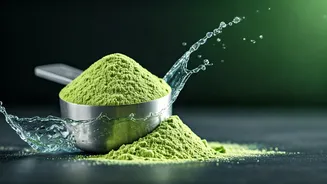
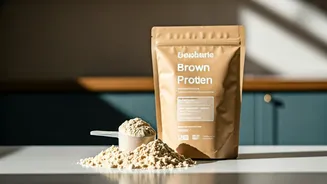
The term 'clean label' has become a powerful driver in the food industry. It refers to products made with as few ingredients as possible, all of which are natural and easy to recognise. Brown rice protein excels here. The production process is relatively simple: the rice is treated with enzymes that cause the carbohydrates and protein to separate. The resulting protein is then isolated and dried into a powder. This minimal processing resonates strongly with consumers who are wary of the artificial sweeteners, fillers, and hormones sometimes associated with other protein sources. This desire for transparency and simplicity is a key factor behind the remarkable growth in its popularity, especially among urban millennials and Gen Z.
An Answer to Allergies and Sensitivities
Another major advantage of brown rice protein is its hypoallergenic nature. A significant portion of the population experiences digestive discomfort, bloating, or skin issues from dairy-based proteins like whey and casein. Soy, another common alternative, is also a known allergen for many. Brown rice protein powder is naturally free from dairy, soy, and gluten, making it a safe and effective option for individuals with these sensitivities. For athletes and fitness enthusiasts who need to consume protein regularly but struggle with the side effects of whey, brown rice protein has emerged as a game-changing alternative that supports muscle repair and growth without the digestive distress.
Powering the Plant-Based Movement
The rise of veganism and vegetarianism in India isn't just a dietary choice; it's a lifestyle. As more people adopt plant-based diets for ethical, environmental, or health reasons, the demand for high-quality vegan protein sources has skyrocketed. Brown rice protein is a cornerstone of this movement. It provides a robust protein boost that helps vegetarians and vegans meet their daily requirements, especially those engaged in strength training or leading an active lifestyle. Unlike some plant proteins that have a strong, earthy taste, high-quality brown rice protein has a relatively neutral flavour, making it a versatile addition to shakes, smoothies, and meals.
How Does It Nutritionally Stack Up?
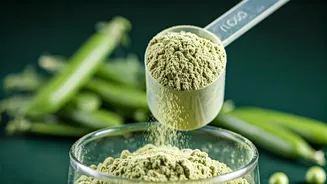
A common concern with plant-based proteins is whether they are 'complete'—meaning, do they contain all nine essential amino acids? While brown rice protein is slightly low in the amino acid lysine, it is rich in others like cysteine and methionine. For this reason, it is often combined with pea protein, which is high in lysine. This complementary pairing creates a complete amino acid profile that is comparable to whey. However, even on its own, studies have shown that brown rice protein can be just as effective as whey protein in supporting muscle growth and recovery when consumed in adequate amounts after exercise. Its high digestibility also ensures that the body can efficiently absorb and utilise the protein.