






Why Five Minutes of Breathing Works
It might sound too simple to be effective, but a dedicated breathing practice has a profound and scientifically-backed impact on your brain and body. When you are stressed or distracted, your body is often in a 'fight-or-flight' state, governed by the
sympathetic nervous system. This state is characterised by shallow breathing, a rapid heart rate, and high levels of the stress hormone, cortisol. Conscious, deep breathing acts as a direct command to your body to calm down. It activates the parasympathetic nervous system, also known as the 'rest-and-digest' system. This simple act reduces your heart rate, lowers cortisol levels, and increases oxygen flow to the brain, creating the ideal biological environment for clarity, concentration, and improved cognitive function.
Your Simple 5-Minute Routine: Box Breathing
You don't need a special app or guru to get started. One of the most effective and easy-to-learn techniques is 'Box Breathing', used by everyone from yoga practitioners to special forces soldiers to stay calm and focused under pressure. It's called 'box' breathing because it consists of four equal parts, like the sides of a box.
Here’s how to do it:
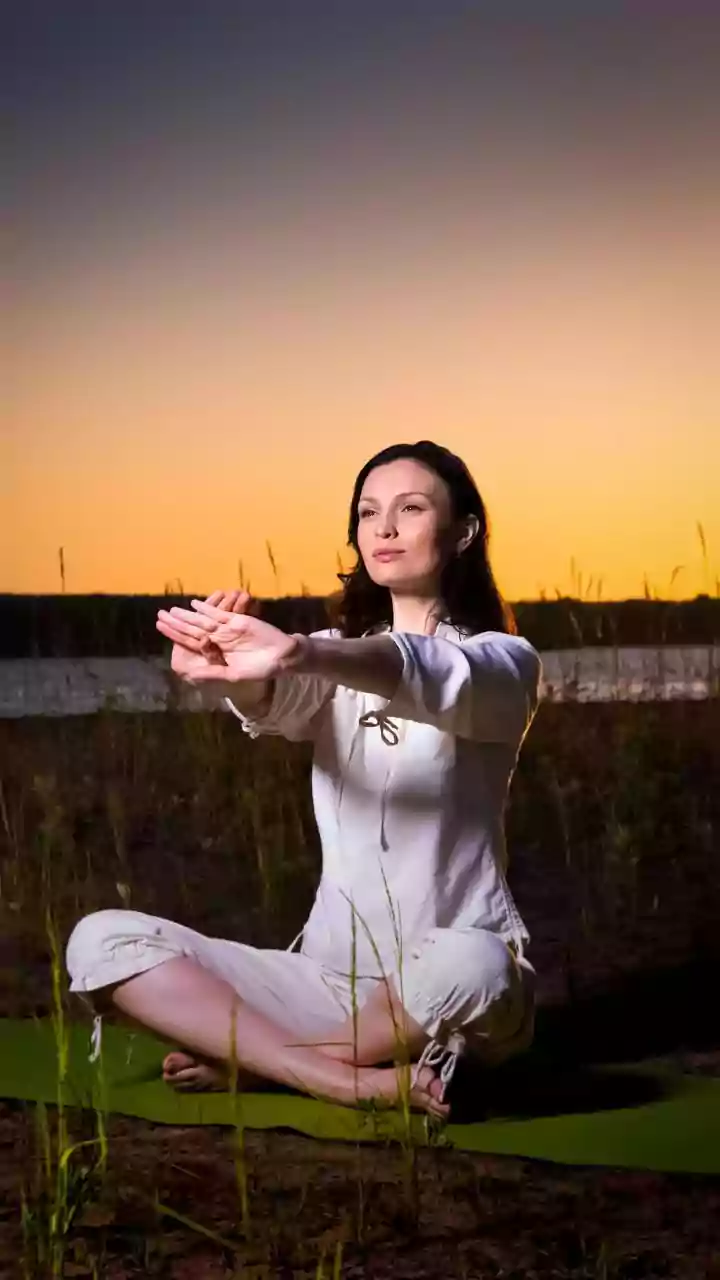
1. Find a comfortable seat. Sit upright in a chair with your feet flat on the floor, or sit cross-legged on a cushion. Rest your hands gently on your lap. Close your eyes if you feel comfortable.
2. Exhale completely. Gently push all the air out of your lungs.
3. Inhale for 4 seconds. Slowly and deeply breathe in through your nose for a count of four.
4. Hold for 4 seconds. Hold your breath for a count of four. Don't clamp down; just pause.
5. Exhale for 4 seconds. Slowly and gently exhale through your mouth for a count of four.
6. Hold for 4 seconds. Hold your breath at the end of the exhale for a count of four.
Repeat this cycle for five minutes. If a four-second count feels too long, start with three seconds and work your way up. The key is consistency, not perfection.
Making the Habit Stick
The hardest part of any new routine is making it a habit. The secret is to 'stack' it onto an existing morning ritual. Do you make a cup of chai or coffee first thing? Decide to do your five minutes of breathing while the water boils. Do you immediately reach for your phone? Commit to doing your breathing exercise before you unlock your screen. By linking this new habit to an established one, you remove the need for willpower and make it an automatic part of your morning flow. Place a sticky note on your bathroom mirror or coffee machine that says 'Just Breathe'. After a couple of weeks, you won't need the reminder anymore; your body will start to crave the morning calm.
What to Expect (and What Not To)
This practice is not a magic switch for instant, permanent focus. It's a workout for your brain. On the first day, your mind might wander constantly—that's normal. Your job isn't to have a perfectly clear mind, but to gently bring your attention back to your breath each time it strays. The act of noticing your distraction and returning to the breath *is* the exercise. Within the first week, you'll likely notice a feeling of greater calm immediately after your morning session. After a few weeks of consistent practice, you may find that this sense of calm and clarity starts to extend into your day. You'll feel less reactive to stressful situations and find it easier to concentrate on complex tasks. The goal isn't to eliminate all thoughts, but to stop them from controlling you.