


What is the New Nutrition Push?
The conversation around children's health in India is increasingly focused on tackling malnutrition through a more holistic lens. Initiatives like Mission Poshan 2.0 are moving beyond just basic calorie intake to emphasize nutritional quality. This government-led
mission aims to improve outcomes for children and mothers by integrating various nutrition schemes and using technology like the Poshan Tracker app for better monitoring. A core part of this push is a renewed emphasis on dietary diversity and ensuring children get enough protein, which is crucial for growth. This aligns with updated recommendations from the Indian Council of Medical Research (ICMR), which provide specific dietary guidelines tailored to Indian lifestyles and food habits. The goal is to move from just filling stomachs to truly nourishing bodies.
The Protein Puzzle in Indian Diets
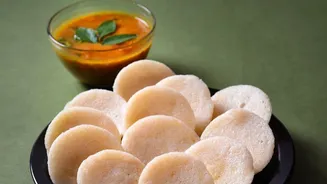
Protein is the essential building block for a child's growing body, crucial for everything from muscle development to immune function. While many Indian meals are wholesome, they can sometimes fall short on protein quantity and quality, especially in vegetarian households. The ICMR provides clear, age-specific protein goals. For example, a toddler (1-3 years) needs about 13-16 grams daily, while a school-aged child (7-9 years) requires around 23 grams. For a vegetarian family, relying solely on a single bowl of dal might not be enough. The key, according to nutritionists, is combining different protein sources. Traditional pairings like dal with rice, or idli (made from rice and lentils), are excellent because they create a more complete protein profile that the body can use more effectively. Including dairy like paneer and curd, soy products, nuts, and a mix of different dals throughout the week is vital.
Why Variety is More Than Just Spice
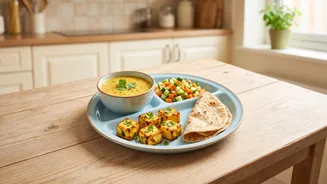
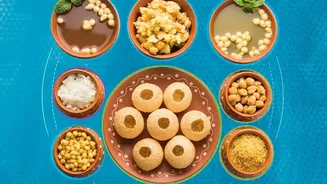
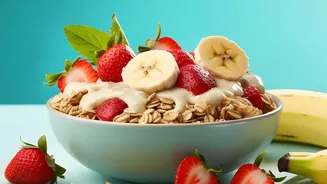
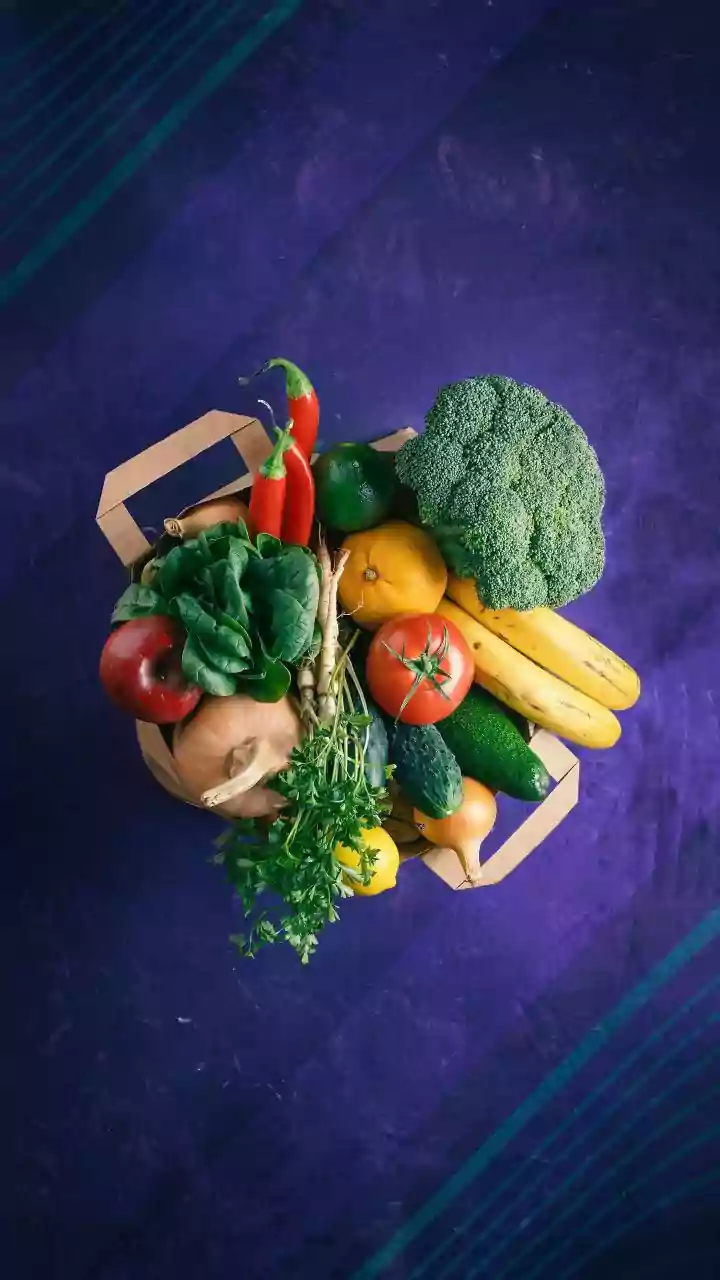
The second pillar of the new nutrition focus is variety. A diverse diet ensures your child gets a wide range of micronutrients—vitamins and minerals—that are essential for immunity, brain development, and overall health. The Indian food pyramid guide places cereals and pulses at the base, followed by a large section for fruits and vegetables, which should be eaten liberally. A monotonous diet, even if it seems healthy, can lead to 'hidden hunger,' where a child is getting enough calories but missing key nutrients like iron and B vitamins. Encouraging variety doesn't have to be a battle. It can be as simple as rotating the types of dal you cook, adding different seasonal vegetables to pulao or sabzi, or offering a colourful fruit chaat as a snack. Even for picky eaters, finely chopping vegetables into parathas or blending them into gravies can work wonders.
Practical Tips for Your Child's Plate
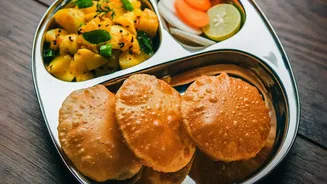
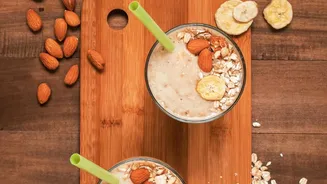
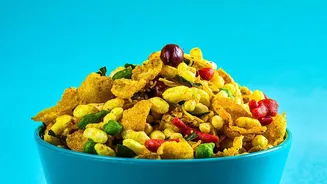
Translating these guidelines into daily meals can feel daunting, but small, consistent changes make the biggest difference. Start by aiming to include a protein source in at least three of your child’s meals and snacks. For breakfast, instead of just a plain carb, offer a besan chilla, a paneer-stuffed paratha, or an egg. For school tiffin, a roti roll with a filling of sprouts or paneer is a great option. You can also boost the protein content of familiar foods. Add a spoonful of soya flour or besan to your regular chapati atta, mix roasted nut powder into porridge or milk, or use hung curd instead of mayonnaise for sandwiches. For snacks, swap packaged junk food for roasted chana, a handful of nuts, or a bowl of curd with fruit. These simple adjustments help meet the new nutritional recommendations without completely overhauling your kitchen.