






The All-Important Flatmate Agreement
The foundation of a financially harmonious household is a written flatmate agreement. While verbal understandings are common, they can lead to memory lapses and disputes. A written document, created before or as you move in, ensures everyone is on the same
page. This agreement should be separate from your rental lease and outline how all shared costs will be handled. Start with the biggest expense: rent. Decide if you'll split it equally or if someone with a larger bedroom or a private bathroom should pay a higher share. The agreement should also specify who is responsible for paying the landlord each month and the exact due date.
Handling Monthly Utilities and Bills
Utilities like electricity, water, gas, and internet can fluctuate, making them a common source of friction. The simplest method is often to split these bills evenly among all flatmates. Trying to calculate exact usage per person is usually more trouble than it's worth. A practical approach is to assign one person to be the 'point person' for each utility. For example, one flatmate handles paying the electricity bill, while another manages the internet payment. This distributes responsibility and helps ensure bills are paid on time. It's crucial to set clear expectations for reimbursement so the person paying the bill isn't left out of pocket.
Groceries and Shared Household Supplies
Deciding how to handle groceries and common supplies like cleaning products and toilet paper can be tricky. Some flatmates prefer to buy their own food to accommodate different dietary needs and preferences, which is often the cleanest approach. For shared necessities, you have a few options. You could create a shared fund or kitty that everyone contributes to monthly. Another method is to take turns buying these items. Shopping for bulk items together at a warehouse club and splitting the bill on the spot can also be an effective way to save money and avoid confusion.
Using Technology to Simplify Splitting
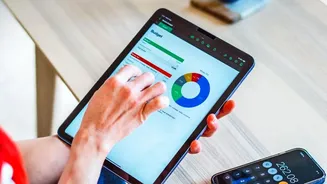
Manual calculations are a thing of the past. Numerous apps can streamline the process of tracking and splitting shared expenses, removing the awkwardness of constantly asking for money. Apps like Splitwise are popular for creating groups, logging expenses, and keeping a running tally of who owes what. Many UPI payment apps in India, such as Google Pay and Paytm, also have built-in features to split a transaction among contacts right after a payment is made. Using a shared digital spreadsheet is another free and effective way to track all household expenses and payments, ensuring transparency for everyone.
Setting Rules for Guests and Unexpected Costs
It's wise to discuss policies for overnight guests before it becomes an issue. If a flatmate's partner stays over frequently, it might be fair to discuss them contributing a small amount towards the increased utility usage. Your agreement should also cover how to handle unexpected expenses, such as repairs for damages. A common rule is that if one person is clearly at fault, they cover the cost. If the cause is shared or accidental, the cost is split equally among all flatmates. Some households even create a small emergency fund for such situations.