








The Backlash Against 'Buy and Throw'
For years, fast fashion dominated the Indian market, offering trendy clothes at pocket-friendly prices. The thrill of a constant stream of new arrivals, often promoted by social media influencers, was hard to resist. [12, 21] This model, however, comes
at a significant environmental and social cost, from contributing to 10% of global carbon emissions to polluting vast amounts of water. [12, 25] Young consumers in India, particularly Gen Z, are now leading a backlash against this hyper-consumption. [8] Heightened awareness of climate change, the fashion industry's role in pollution, and social injustices have led many to question the true cost of a cheap t-shirt. [2, 3] It's a move away from the 'buy, use, and discard' cycle towards something more meaningful.
Conscience, Connectivity, and Community
This shift is largely driven by a generation that is digitally native and socially conscious. [2, 13] Social media platforms like Instagram, once the primary drivers of fast fashion hauls, are now being used to educate peers about the industry's negative impacts. [4, 15] Influencers and creators are discussing everything from fabric origins to fair labour practices, making sustainable choices a cultural statement. [2, 15] For this generation, clothing is an extension of their values. [4] They are actively seeking transparency, demanding to know the story behind their garments and supporting brands that align with their ethical principles. [2, 10]
The Thrifting and Upcycling Boom
One of the most visible expressions of this new consciousness is the boom in thrifting. [6] Once confined to informal street markets, buying pre-owned clothing is now a mainstream trend, especially among urban youth. [6, 17] Online thrift stores on platforms like Instagram have made it easier than ever to find unique, affordable, and sustainable pieces. [6] Thrifting appeals not just for its environmental benefits, but also for the individuality it offers, escaping mass-produced styles. [6] Alongside thrifting, upcycling—the creative reuse of old garments—is gaining traction. [4, 7] This taps into a long-standing Indian tradition of resourcefulness, reimagining old sarees as dresses or embroidering on used denim to create one-of-a-kind pieces. [6, 7]
A Modern Twist on 'Vocal for Local'
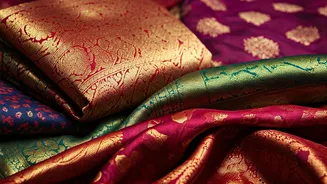
The movement towards mindful fashion has also sparked a renewed interest in India’s rich textile heritage. Young consumers are increasingly appreciating and supporting local artisans and homegrown brands that focus on ethical production. [4, 11] Handloom fabrics like khadi and traditional crafts such as block-printing are being seen in a new, modern light. [4, 11] This is not just about preserving cultural heritage; it's about choosing quality and durability over fleeting trends. [3] These garments, often made from natural, breathable fabrics, are not only better for the environment but also well-suited to the Indian climate. [4] By championing local craftsmanship, young Indians are redefining 'vocal for local' as a conscious style choice.
From Ownership to Identity
Ultimately, this trend signifies a deeper change in aspiration for young India. While previous generations may have focused on accumulating assets, many in Gen Z are more interested in building an 'internal' portfolio through experiences and self-expression. [14] Fashion, in this context, becomes less about owning a lot of things and more about expressing an identity. [14] They prefer quality over quantity, investing in timeless pieces that will last. [2, 8] This approach is not only sustainable but also economically savvy, reflecting a generation that is financially conscious. [5, 8] Choosing style that doesn't feel wasteful is about more than just clothes; it’s a statement of values and a vision for a more responsible future.