




The Monsoon Reality: A Tale of Two Journeys
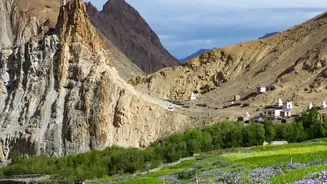
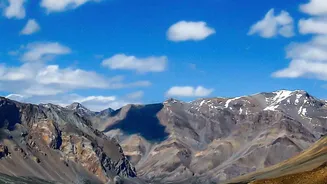
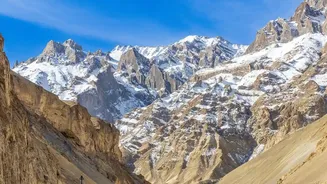
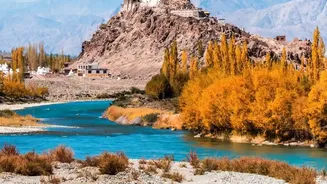
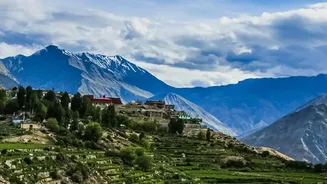
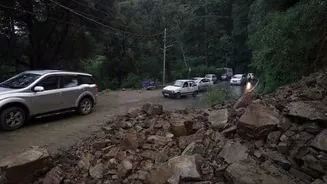
The main challenge of a monsoon trip to Spiti isn't the valley itself, but the journey to get there. Spiti is a high-altitude cold desert that sits in a rain-shadow zone, meaning it receives very little rainfall. While lower parts of Himachal Pradesh
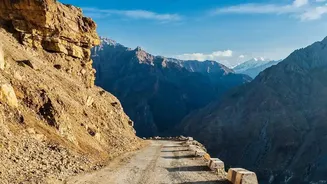
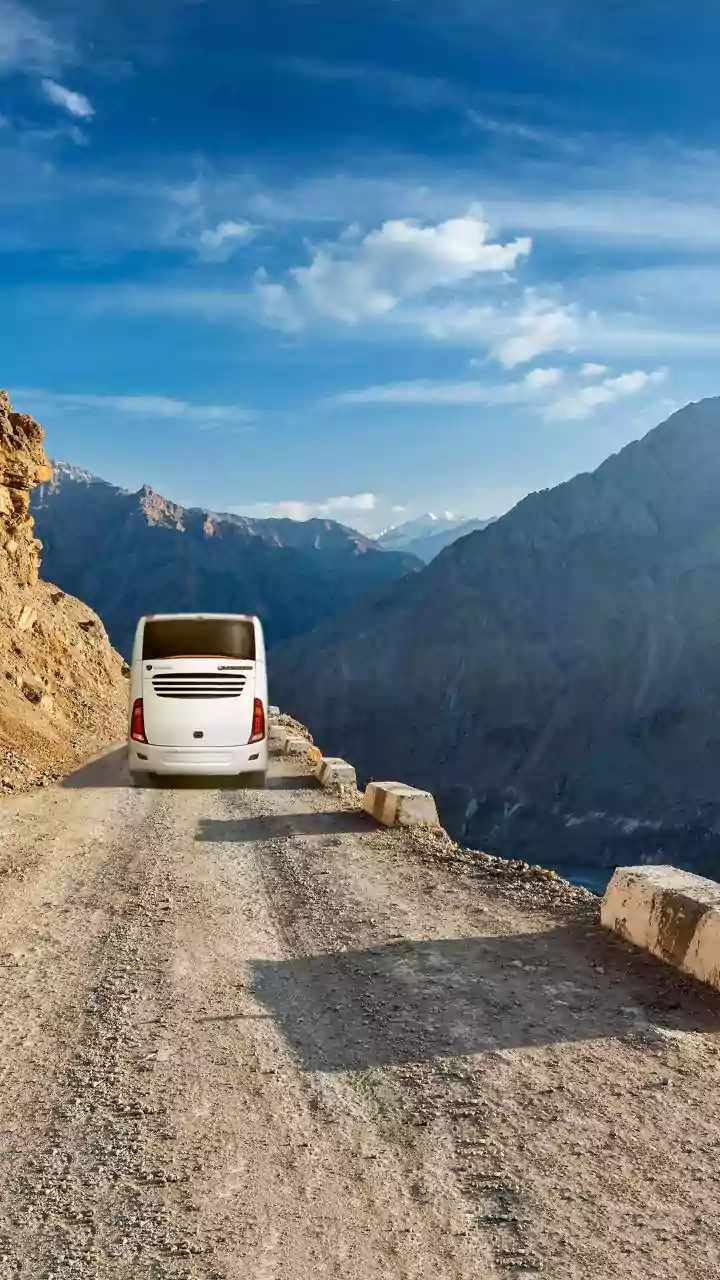
are drenched, Kaza often has clear skies. The real danger lies on the approach roads. Both the Manali-Kaza highway and the Hindustan-Tibet Highway (from Shimla) pass through areas prone to heavy monsoon rains, which trigger landslides, flash floods, and shooting stones. As of early August 2026, the India Meteorological Department (IMD) has issued orange alerts for heavy to very heavy rainfall in districts like Mandi, Kullu, and Chamba, which lie on these approach routes, warning travellers to exercise caution.
Choose Your Route Wisely: Shimla Over Manali
During the monsoon, the unanimous advice from seasoned travellers and local authorities is to take the Shimla-Kinnaur route to Kaza. It offers a more gradual ascent, which helps with acclimatization, and is generally considered more stable than the Manali-Kaza highway. The Manali route involves crossing the treacherous Gramphu-Batal stretch and the high-altitude Kunzum Pass, which are notorious for slush, swollen water crossings, and sudden closures. This route is best avoided by inexperienced drivers and riders during this season. The Shimla route is not without its own risks, particularly the stretch between Wangtu and Sumdo, which is known for landslide activity. Always check the latest road status from official sources like the Border Roads Organisation (BRO) before you start.
Plan for Delays: Flexibility is Key
Do not travel to Spiti in the monsoon on a tight schedule. Road closures due to landslides can last anywhere from a few hours to several days. The most crucial tip is to build buffer days into your itinerary—at least two or three. This ensures that a delay won't force you to rush, take risks, or cancel your return journey. If a road is blocked, wait it out. Trying to find risky alternative routes or driving at night is a major cause of accidents. Use the extra time to explore the town you are in, and always listen to the advice of locals who understand the terrain and weather patterns best.
Pack Smart: Layers, Waterproofing, and Essentials
Your packing list should prioritise safety and comfort. Layering is essential, as temperatures can swing from a pleasant 20°C in the day to near-freezing at night. A waterproof and windproof outer jacket is non-negotiable, not just for rain but also for the fierce winds at high passes. Pack waterproof trekking shoes, multiple pairs of woolen socks, thermals, and a fleece jacket. Beyond clothing, your kit must include a power bank, a first-aid kit with medicines for altitude sickness (consult a doctor first), sunscreen (SPF 50+), and sunglasses, as UV radiation is intense at high altitudes. Carry enough cash, as ATMs are scarce and often unreliable.
Travel with Responsibility: Leave a Positive Impact
Responsible tourism is critical in a fragile, high-altitude ecosystem like Spiti. The influx of tourism since the valley opened to outsiders in 1992 has put a strain on local resources. Your trip should aim to benefit the local community and conserve the environment. Opt for local homestays and eat at local dhabas to ensure your money directly supports the community. Carry a reusable water bottle to reduce plastic waste and take your own trash back to the cities if possible, as waste management is a huge challenge in the valley. Be mindful of the limited resources, especially during the difficult monsoon season. Avoid activities that could damage the environment and respect the local culture, which is deeply rooted in Tibetan Buddhism.