



Paradise Lost in a Moment
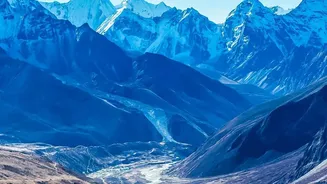
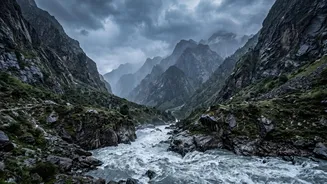
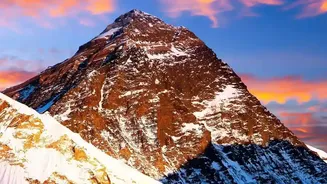
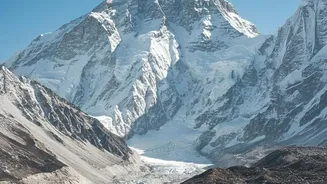
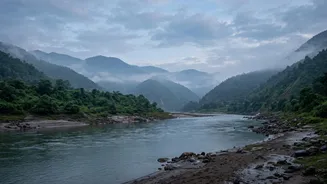
On the morning of August 26, 2026, a catastrophic event unfolded along the Nepal-China border. A massive section of a glacier on Langtang Lirung mountain collapsed, sending a torrent of ice, rock, and mud down the Bhote Koshi/Trishuli river system. The
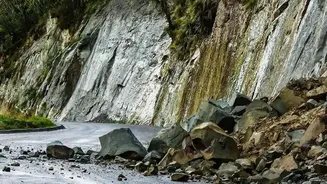
force of the avalanche was so immense it registered as a 5.2-magnitude seismic event. The resulting flash flood was not a gentle rise of water but a fast-moving wall of debris that obliterated everything in its path. Entire settlements like Timure Bazaar were wiped out, along with critical bridges and roads. Tragically, hundreds were killed and thousands remain missing, including a large number of foreign tourists who were in the area for trekking or pilgrimage. For these visitors, an adventure of a lifetime ended in a terrifying display of nature's power.
More Than Just Monsoon Season
It is easy to dismiss such an event as a freak accident or simply the known risk of monsoon season. But experts are clear this is part of a larger, more dangerous pattern. The Hindu Kush Himalaya region is warming rapidly, causing glaciers to melt at an accelerating rate. This doesn't just raise sea levels; it fundamentally destabilises the mountain landscape. Events like the one on August 26th are known as complex multi-hazard cascades, where a glacier collapse can trigger landslides, which in turn dam rivers and lead to catastrophic outburst floods (GLOFs). These are not predictable storms you can track on a weather app. They are sudden, violent, and a direct consequence of a warming climate making once-stable environments fragile and unpredictable. The very beauty that draws travellers to these regions is now intertwined with a new, elevated level of risk that goes far beyond a typical downpour.
The New Rules of Travel Planning
So, what does this mean for the average traveller planning a trip to the Himalayas or other ecologically sensitive areas? It means the old checklist of booking flights and packing gear is no longer enough. The first step is a deeper level of research. Before you book, investigate the specific environmental vulnerabilities of your destination. Is it prone to GLOFs, landslides, or flash floods? What time of year are these risks highest? This isn't about fear-mongering; it's about being informed. The convergence of peak tourist seasons with hazardous weather patterns is creating a dangerous 'temporal compression' in many parts of the Himalayas, where infrastructure is most stressed exactly when the terrain is most vulnerable.
Choosing Safety and Responsibility
Your choice of tour operator is more critical than ever. A reputable guide service will not only have emergency protocols but will also understand the local environmental conditions and be willing to change itineraries for safety. Ask them directly about their contingency plans for natural disasters. Furthermore, your travel insurance needs a thorough review. Ensure your policy specifically covers evacuation due to natural disasters and isn't just limited to personal medical emergencies. Finally, build flexibility into your schedule. In volatile environments, roads can be washed out and trails blocked for days. Having buffer days isn't a luxury; it's a necessity that can prevent you from taking risks out of a desire to stick to a rigid timeline. Early warning systems in these regions can be a 'blind spot', meaning official alerts may not come in time, placing more responsibility on individual preparedness.