







The Battle for Crispy Snacks
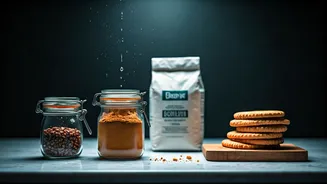
There’s nothing more disappointing than reaching for a crunchy biscuit or a crisp chip only to find it has turned soft and chewy. The high moisture content in the monsoon air is the primary culprit, as these dry foods readily absorb it. The most effective
defence is proper storage. Immediately transfer any opened packets of biscuits, chips, or namkeen into an airtight container. Glass jars with tight-fitting lids are often more effective than plastic ones. For extra protection, you can place a small piece of blotting paper or tissue at the bottom of the container to absorb any stray moisture. If your snacks have already fallen victim to the humidity, you can often revive them by baking or air-frying them for a few minutes to draw out the moisture and restore their crunch.
Protecting Your Precious Spices
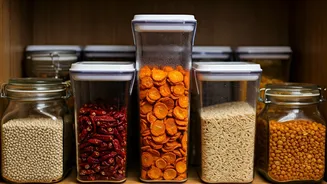
Monsoon humidity is the enemy of a well-stocked spice rack. It causes powdered spices like chilli powder, turmeric, and garam masala to form hard lumps, lose their aroma, and in worst-case scenarios, develop mould. To prevent this, store your spices in airtight glass jars in a cool, dark cupboard, away from the heat and steam of the stove. Never use a wet spoon to scoop out spices, as even a single drop of water can spoil the entire jar. A traditional trick for whole spices like pepper and cardamom is to lightly roast them on a dry pan before storing. This not only enhances their flavour but also removes excess moisture. For powdered spices, adding a few cloves or a dried bay leaf to the container can act as a natural anti-fungal agent.
Guarding Grains, Flours, and Pulses
Staples like atta (wheat flour), rice, and dals (pulses) are highly susceptible to moisture, which can lead to infestation by insects and the growth of mould. The first rule is to transfer them from their store-bought bags into clean, dry, airtight containers as soon as you bring them home. Before the monsoons set in, it’s a good practice to sun-dry grains and pulses for a few hours to eliminate any existing moisture and kill insect eggs. Placing a few dried bay leaves or neem leaves inside your containers of rice and flour is a time-tested Indian household hack to repel pests naturally. Storing these containers on shelves rather than the floor also helps protect them from dampness, especially in ground-floor homes.
Keeping Salt and Sugar from Clumping
Salt and sugar are hygroscopic, meaning they naturally attract and absorb moisture from the air. This is why they are notorious for clumping together into hard blocks during the rainy season. The solution is simple and effective: store them in non-porous containers like glass or ceramic jars with secure lids. To combat clumping in your salt shaker, add a few uncooked grains of rice. The rice grains will absorb the excess moisture, keeping the salt free-flowing. This simple trick works just as well for sugar canisters. Always ensure you use a completely dry spoon when taking sugar from a container to avoid introducing any dampness.
Fresh Produce Care
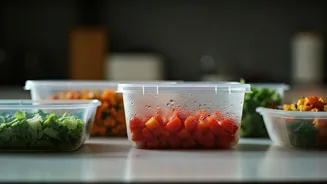
While we focus on dry goods, fresh vegetables also need special attention during the monsoon. The high humidity can accelerate rot and sprouting in vegetables like onions, garlic, and potatoes. These items should be stored in a cool, dry, and airy place, like a wicker basket, and not in the refrigerator, which can promote spoilage. For leafy greens and other vegetables you do store in the fridge, make sure to wash and pat them completely dry first. Storing them wrapped in newspaper or paper towels can help absorb excess moisture and extend their freshness. It is also wise to buy vegetables in smaller quantities more frequently during this season to ensure you are always using them at their freshest.