



The Monsoon's Verdant Afterglow
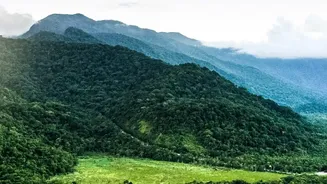
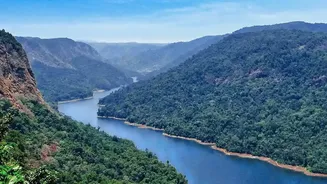
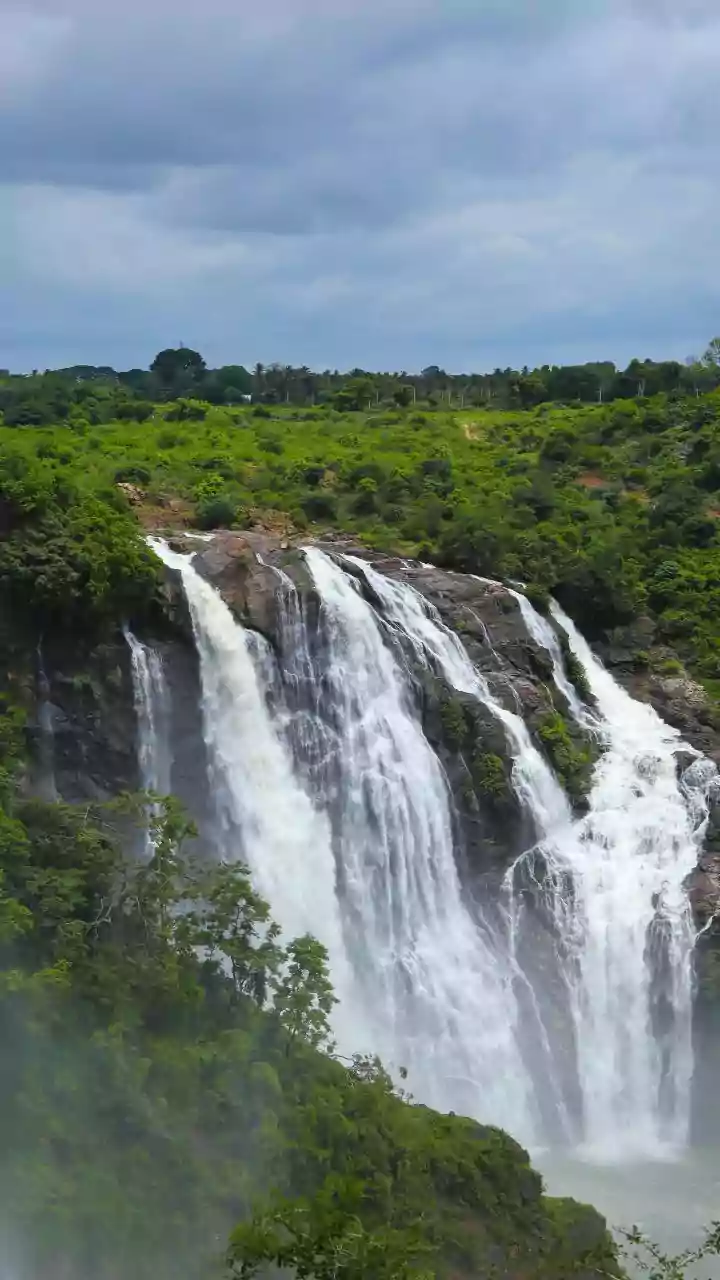
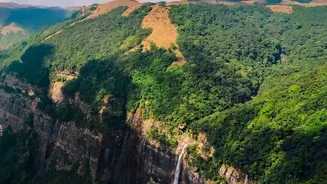
The period immediately following the monsoon, from September to November, is arguably the most magical time to witness the Western Ghats. After months of rain, the entire landscape is rejuvenated. The forests are dense and electric green, the rivers and streams
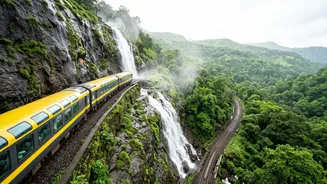
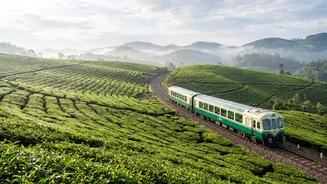
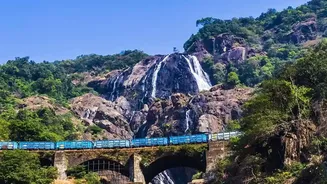
are full, and countless waterfalls, which are mere trickles for the rest of the year, thunder down the mountainsides. The air is crisp and clean, and a gentle mist often hangs in the valleys, creating an ethereal, dreamlike atmosphere. This seasonal transformation is the foundation of the spectacular views, turning a simple train ride into a journey through a living, breathing paradise. The post-monsoon bloom offers a sensory feast that is both fleeting and unforgettable, making this window the prime time for travel.
A Front-Row Seat to Nature's Theatre
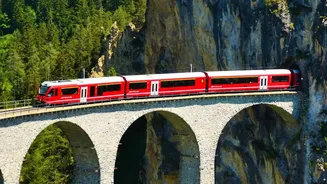
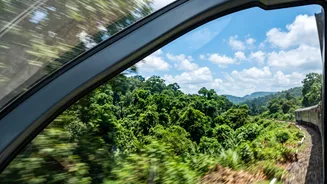
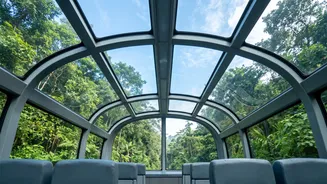
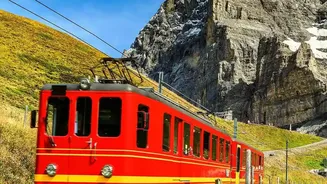
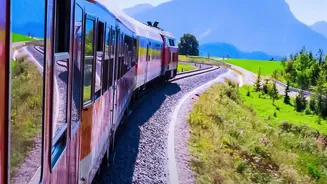
The game-changer for rail travel in this region is the VistaDome coach. Inspired by European scenic trains, these coaches are designed for total immersion. They feature massive, wide windows that stretch up to a transparent glass roof, offering uninterrupted panoramic vistas. The seats themselves are a marvel; they can rotate 180 degrees, allowing passengers to always face the direction of the best scenery, regardless of the train's movement. This means you are no longer just peering out of a standard window but are encased in a moving conservatory. The design eliminates the visual barriers of a conventional coach, making you feel completely connected to the stunning landscapes you are passing through. Some coaches also feature an observation lounge at the rear, providing a unique trailing view of the tracks disappearing into the verdant terrain.
Iconic Routes and Daily Departures
Several key routes operated by Indian Railways offer this spectacular experience on a daily basis, making it an accessible adventure. The Mumbai-Pune and Mumbai-Goa lines are particularly celebrated for their VistaDome services. Trains like the Deccan Express and Deccan Queen on the Mumbai-Pune route navigate the dramatic Bhor Ghat section, plunging through tunnels and crossing high viaducts. Similarly, the Tejas Express and Jan Shatabdi Express on the Konkan route between Mumbai and Madgaon (Goa) offer breathtaking views of the coastline on one side and the ghats on the other. The Bengaluru to Mangaluru route is another gem, famous for the Sakleshpur-Subrahmanya ghat section, which involves navigating over 50 tunnels and numerous bridges through dense forest. These daily services ensure that the opportunity to witness this post-monsoon splendour is always within reach for travellers.
A Symphony of Tunnels and Valleys
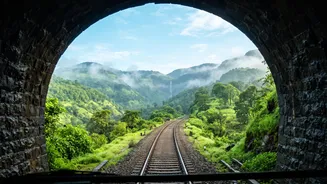
What makes the journey through the Western Ghats so dramatic is the masterful engineering that snakes the railway lines through incredibly challenging terrain. The routes are a constant interplay of light and shadow. You are plunged into the complete darkness of a tunnel, the rumble of the train echoing around you, only to burst out into the brilliant green of a sunlit valley moments later. This recurring pattern creates a sense of rhythm and anticipation. The viaducts and bridges, meanwhile, lift the train high above riverbeds and deep gorges, offering bird's-eye views that are both thrilling and humbling. On the Bengaluru-Mangaluru line, for example, the train crosses over 100 bridges on its journey through the ghats, each one providing a new and spectacular perspective on the rugged landscape below.
Planning Your Panoramic Journey
Given the popularity of these routes, especially during the scenic post-monsoon season, booking your VistaDome tickets well in advance is essential. When booking on the IRCTC website or app, look for the 'Executive Chair Car' (EC) or 'EV' coach option, as this designates the VistaDome. For the best views on the Mumbai-Pune or Bengaluru-Mangaluru routes, a window seat is a must. The journey itself is the destination, so come prepared. Pack snacks and drinks, charge your camera, and be ready to spend hours simply gazing out of the window. The trip is more than just transport; it's a curated experience designed to showcase one of India's most beautiful natural treasures in the most spectacular way possible. It’s a modern-day reminder of the sheer romance of train travel.