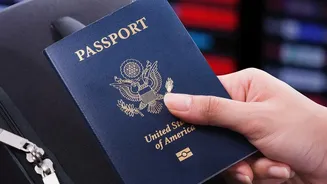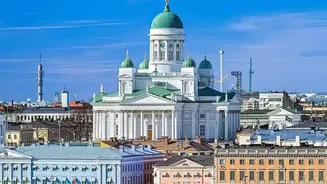




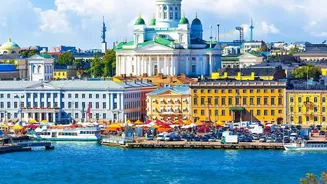

For years, a passport's power was a simple numbers game: how many countries can you visit without a visa? Now, a new ranking is flipping the script, asking what a passport is worth for happiness and quality of life. Finland is its surprising new champion.
Moving Beyond Simple Visa-Free Scores
For decades, the strength of a passport has been judged almost exclusively by one metric: visa-free travel. Rankings like the Henley Passport Index became household names by counting the number of destinations a passport holder could enter without a prior visa. While useful for globetrotters, this approach treats access to a major economic hub and a tiny micro-state as equal, failing to capture what a passport offers for those looking to live, work, or invest abroad. A new wave of indices is challenging this narrow definition. They argue that the true value of citizenship is about more than just tourism. It's about economic opportunity, personal freedom, and overall quality of life.
Introducing the 'Happy Passports' Index
One of the most prominent new rankings is the Happy Passports Index 2026, published by advisory firm Global Citizen Solutions. This index shifts the focus from pure mobility to a more holistic view of a passport's power. It measures four key pillars, each with equal weight: wellbeing (how residents evaluate their own lives), freedom at home (personal, political, and economic freedoms), passport mobility (traditional visa-free access), and a combined score for prosperity, health, and safety. The result is a ranking that assesses not just where you can go, but how good life is in the country you call home. It redefines a powerful passport as one that offers both global access and a high quality of life.
Why Finland Comes Out on Top
In the Happy Passports Index 2026, Finland secured the top spot with a score of 93.2 out of 100. This may seem surprising, as its passport doesn't grant the most visa-free access in the world. However, Finland excels in the new, broader criteria. The nation consistently ranks at the top for life satisfaction and personal freedom, key components of the index's 'wellbeing' and 'freedom at home' pillars. The study notes that while Southern European passports might offer similar travel freedom, they lag significantly in resident happiness and life satisfaction. Finland's victory demonstrates that a balance of strong mobility, personal freedom, safety, and overall life quality is the new measure of a world-class passport.
The New Global Top Tier
Following Finland, the top of the Happy Passports Index is dominated by other Nordic and European nations. Iceland and Denmark rank second and third, respectively, also scoring exceptionally high on wellbeing and freedom metrics. The top ten includes Norway, Switzerland, Sweden, the Netherlands, New Zealand, Austria, and Singapore. Singapore's inclusion is particularly interesting. It boasts one of the highest mobility scores, meaning its passport is excellent for travel, but its lower scores on wellbeing and personal freedom place it 10th overall. This highlights the index's core philosophy: a country that offers immense travel freedom but a lower quality of life is no longer considered the absolute best.
What This Means for Global Citizens
This shift in passport rankings reflects a broader change in global priorities. In an era of remote work and increased global mobility, people are looking for more than just a holiday destination. They are evaluating countries as potential places to live, work, and raise a family. For citizens of countries like India, which was not included in the 50-country Happy Passports Index, these new metrics offer a different lens through which to view the world. The discussion is evolving from 'Where can my passport take me?' to 'Which passport offers the best life opportunities?'. As more people seek residency or second citizenship, these holistic rankings that weigh factors like safety, freedom, and happiness are becoming an indispensable tool for making life-changing decisions.