


Tiny Plants, Mighty Nutrition
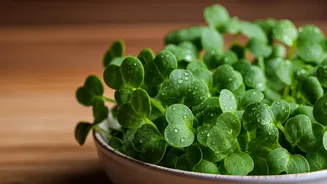
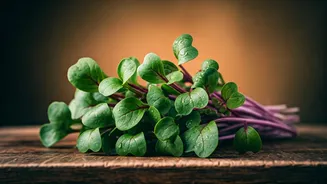
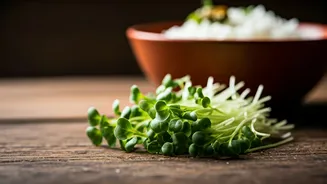
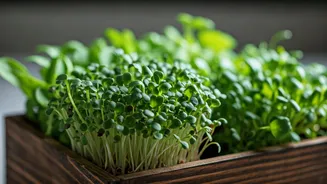
Before you dismiss them as just a fancy garnish, it’s important to understand what broccoli and radish shoots—often called microgreens—really are. They are the young, tender seedlings of the vegetable plants, harvested just after the first true leaves
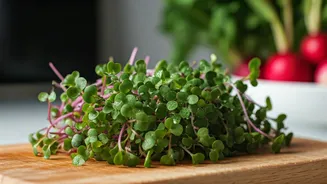
have developed. And at this early stage, they are nutritional powerhouses. Studies suggest that microgreens can contain significantly higher concentrations of vitamins, minerals, and beneficial plant compounds than their mature counterparts. Broccoli shoots, for instance, are celebrated for their high levels of sulforaphane, a compound linked to numerous health benefits. Radish shoots offer a similar nutrient density, along with a zesty, peppery flavor, and are a great source of Vitamins C, A, and E.
Your Simple Indoor Garden Setup
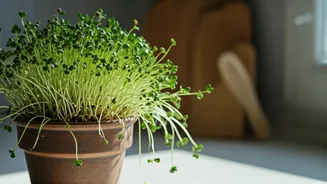
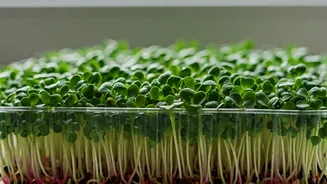
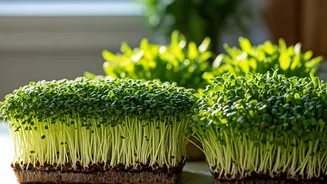
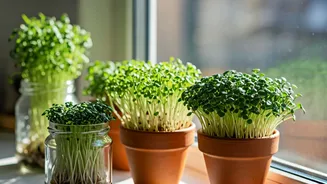
The best part about growing your own shoots is the simplicity. You don’t need a green thumb, a big yard, or expensive equipment. This is windowsill farming at its finest. All you really need to get started is a shallow container (a reusable takeout container or a dedicated seedling tray works well), a growing medium like coconut coir or potting soil, high-quality seeds, and a spray bottle. Make sure your container has drainage holes to prevent waterlogging. Find a spot in your home that gets a decent amount of indirect sunlight, like a kitchen counter or a windowsill that doesn’t bake in the afternoon sun. That’s it. This minimal setup is all that stands between you and a fresh, continuous supply of superfood greens.
A 7-Day Growing Guide
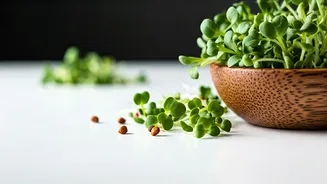
Growing these shoots is a fast and rewarding process, often taking just a week from seed to harvest. Here’s a simple step-by-step guide: 1. **Prepare the Tray:** Fill your container with about an inch or two of pre-moistened growing medium. Gently press it down to create a flat, even surface. 2. **Sow the Seeds:** Sprinkle your broccoli or radish seeds generously and evenly across the surface of the soil. There’s no need to bury them; just let them sit on top. Radish seeds are larger and can be sown a bit more sparsely than the tiny broccoli seeds. 3. **Water and Cover:** Gently mist the seeds with your spray bottle until they are thoroughly damp. Cover the tray with a lid or another tray to create a dark, humid environment that encourages germination. For the first 2-3 days, mist them once or twice daily. 4. **Introduce Light:** Once you see the seeds sprouting (usually within 2-3 days), remove the cover and move the tray to its sunny spot. The shoots may look pale and yellow at first, but they will quickly turn a vibrant green in the light. 5. **Continue Watering:** Keep the soil consistently moist but not soggy. Misting once a day is usually sufficient.
Harvesting Your Fresh Shoots
Your shoots will be ready to harvest in about 7 to 10 days, once they are a few inches tall and have developed their first set of leaves (cotyledons). Harvesting is as easy as growing. Using a clean pair of kitchen scissors, simply snip the shoots just above the soil line. You can harvest the entire tray at once or snip off what you need for each meal, though they are at their nutritional peak when freshly cut. It's best to avoid washing them until you’re ready to eat, as excess moisture can cause them to wilt during storage. If you do wash them, be sure to dry them gently and thoroughly with a paper towel or in a salad spinner.
A Fresh Boost for Any Meal
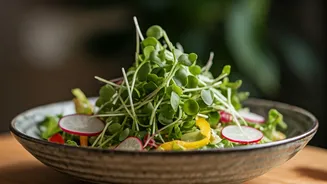
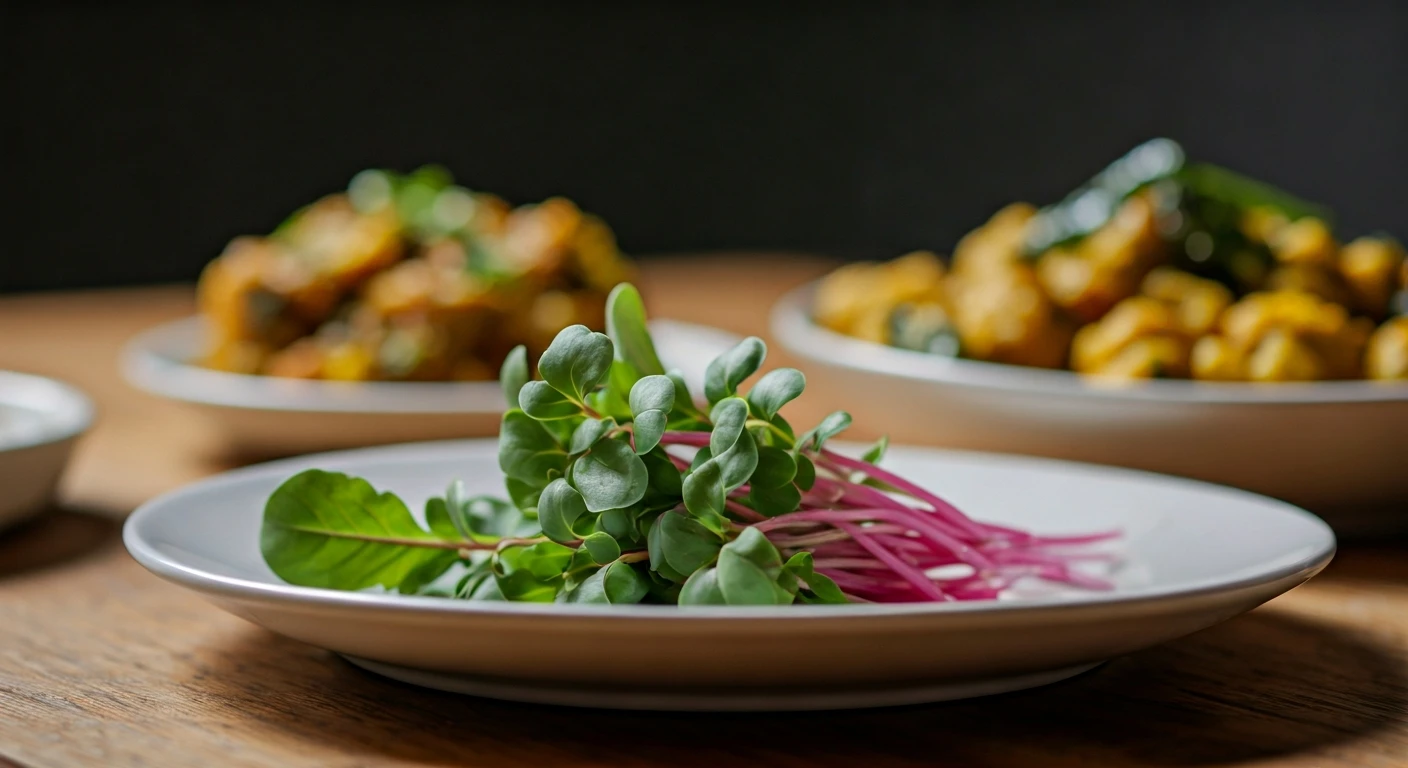
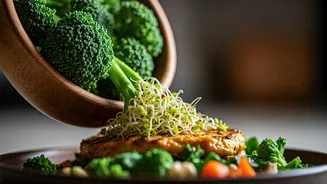
Now for the fun part: eating them. Radish shoots provide a wonderful, spicy crunch that can elevate avocado toast, tacos, or a simple bowl of soup. Their peppery flavor is a perfect counterpoint to rich or savory dishes. Broccoli shoots have a milder, more subtly brassica-like taste. They are incredibly versatile and can be blended into smoothies for a nutrient kick without altering the flavor too much. You can also toss a generous handful into salads, pile them into sandwiches and wraps for a fresh layer of texture, or use them as a final flourish on top of omelets, stir-fries, or roasted vegetables. They add a touch of elegance and a powerful dose of nutrition to virtually any dish.