







The New Digital Welcome Mat
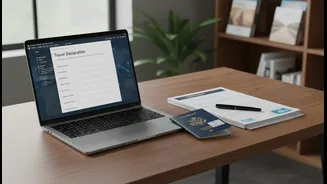
The days of scrambling for a pen mid-flight to fill out the orange paper Incoming Passenger Card (IPC) are numbered. The Australian government is phasing out this decades-old system and introducing a new digital equivalent called the Australia Travel
Declaration (ATD). This isn't the country's first attempt at a digital form, but the new ATD is part of a A$56.1 million border modernisation plan designed to make arrivals faster and more secure. Instead of a paper form, travellers will submit their customs and biosecurity information online before they land. For the thousands of Indian students, tourists, and families heading Down Under, this means less time in queues and more time for your adventure, once the system is fully active at your arrival point.
Understanding the Rollout Timing
The most critical detail for travellers is that this is a phased rollout, not an overnight switch. The transition to the digital ATD will happen across Australia's international airports and seaports over the next 12 to 18 months. A successful pilot program involving over 450,000 Qantas passengers at airports in Sydney, Melbourne, and Brisbane has paved the way for this expansion. Perth and Adelaide are expected to join the program before the end of 2026. Initially, the declaration will be accessible via a web-based form, with plans to integrate it into airline apps in the future. Until the digital system is mandatory for your specific flight and arrival airport, you must continue to use the paper Incoming Passenger Card. Always check the latest requirements for your specific destination airport before you travel.
Biosecurity: The Questions Remain Crucial
While the format is changing, Australia's famously strict biosecurity laws are not. The digital declaration will still require you to answer detailed questions about what you are bringing into the country. You must declare all food (including packaged snacks and homemade sweets), plant materials (like wooden souvenirs), and animal products. For Indian travellers, this is particularly important for items like spices, pickles, or religious offerings, which may seem harmless but could pose a biosecurity risk if not commercially packaged. The purpose is to protect Australia's unique environment and agricultural industries from foreign pests and diseases. Answering truthfully is a legal requirement; failing to declare a risk item can result in significant fines or even visa cancellation, whereas declaring an item you're unsure about will simply lead to an inspection by a biosecurity officer.
How to Prepare for Your Digital Arrival
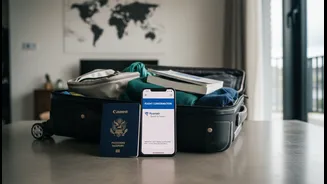
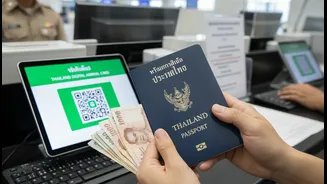
Once the ATD is available for your flight, the process is straightforward. Eligible travellers will be able to complete the declaration online up to 72 hours before arrival. You will need your passport, flight details, and a contact address in Australia. After submitting the form, you should receive a QR code that can be scanned by border officials when you land. The new system allows authorities to receive passenger information earlier, helping them assess security and biosecurity risks more efficiently. While the government aims for a seamless experience, travellers are advised to have their passport handy and ensure they have a smartphone or internet access to complete the form. During this transition period, it's wise to be prepared for both digital and paper scenarios.