



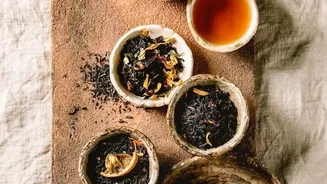

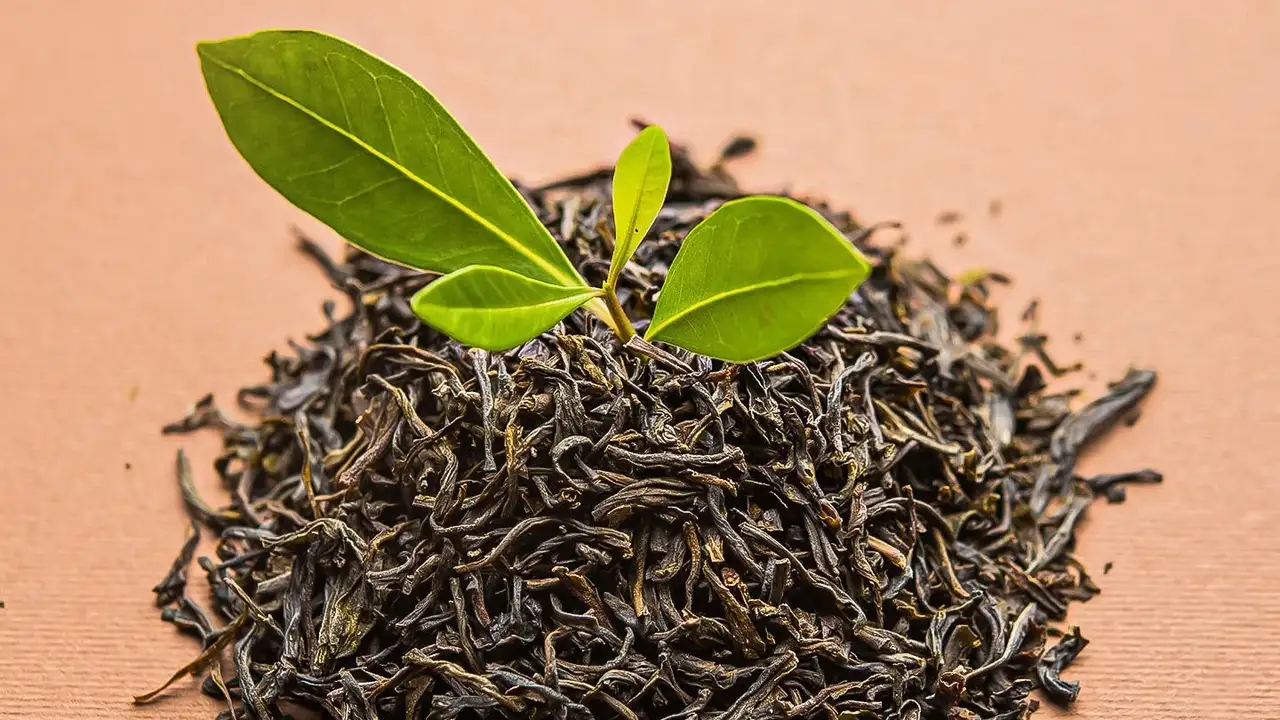
The Perfect Canvas: Nilgiri Tea
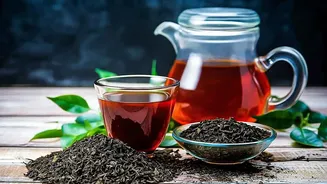
Hailing from the Blue Mountains of Southern India, Nilgiri tea is often considered an undiscovered gem. Unlike its more robust counterparts from Assam or the complex muscatel notes of Darjeeling, Nilgiri tea offers a unique profile: it's brisk, aromatic,
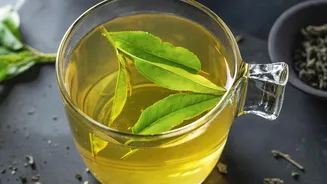
and naturally sweet with floral and citrusy undertones. Crucially for cold brewing, it has low levels of tannins, the compounds that can cause bitterness. This means that even after a long steep, the resulting brew is smooth, mellow, and never harsh. Another significant advantage is its remarkable clarity. While other black teas can turn cloudy when chilled, Nilgiri tea remains brilliantly clear, producing a beautiful golden-yellow liquor that looks as good as it tastes.
The Gentle Magic of Cold Brewing
The secret to a smoother, sweeter tea lies in the temperature. Instead of using hot water, cold brewing involves steeping tea leaves in cold water for an extended period, typically from eight to twelve hours in the refrigerator. This gentle, slow extraction process fundamentally changes the flavour profile. It pulls out the tea's delicate, aromatic compounds while leaving behind many of the tannins and much of the caffeine that hot water extracts. The result is a drink that is noticeably less bitter, less acidic, and easier on the stomach. Furthermore, some research suggests that cold brewing can preserve or even enhance the antioxidant levels in the tea, making it a healthful choice.
A Symphony of Fruit and Tea
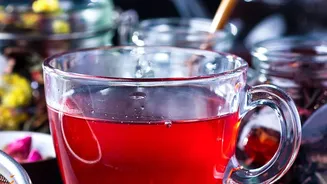
The clean, versatile profile of Nilgiri tea makes it an ideal partner for fruit infusions. The natural sweetness and subtle fruitiness of the tea are enhanced, not overpowered, by the addition of fresh fruits. The goal is to create a balanced beverage where both the tea and the fruit can shine. Citrus fruits like lemon, orange, and grapefruit amplify the tea's inherent brisk, citrusy notes. Berries such as strawberries and blueberries introduce a gentle sweetness and a beautiful colour. For a more tropical or festive flavour, consider adding slices of ripe peach, mango, or passionfruit, which pair wonderfully with the tea's floral character. The fruit provides enough natural sweetness that little to no added sugar is required, aligning with a growing consumer desire for healthier, cleaner beverage options.
Your Guide to a Perfect Home Brew
Creating your own artisanal cold brew is surprisingly simple. You don't need any special equipment, just a large jar or pitcher. Start with a ratio of about one tablespoon of loose-leaf Nilgiri tea for every litre of cold, filtered water. Add your choice of fruit—a handful of sliced strawberries, a few wedges of orange, or some lightly muddled blueberries will work well. Ensure the fruit is sliced or slightly crushed to help release its flavours. Combine the tea, fruit, and water in your container, stir gently, and place it in the refrigerator. Let it steep for at least eight hours, or overnight for a stronger infusion. The next morning, simply strain the tea to remove the leaves and fruit pieces. Taste it before you consider adding any sweetener; you’ll likely find the natural sweetness from the fruit is perfectly sufficient. Your refreshing, low-sugar cold brew is ready to serve over ice.
The Rise of the Craft Beverage
This trend of combining traditional ingredients with modern techniques is part of a larger movement in India towards artisanal and craft beverages. Consumers, particularly younger demographics, are increasingly seeking out products with authentic origins, quality ingredients, and unique flavour profiles. From craft beers infused with local spices to the revival of traditional drinks like jaljeera in convenient formats, there is a clear shift away from mass-produced options. Low-sugar and non-alcoholic options are a significant part of this wave, driven by a growing focus on wellness. Fruit-infused Nilgiri cold brew fits perfectly within this evolving landscape, offering a drink that feels both premium and personal.